- Advertisement -spot_img
Home Blog Page 65

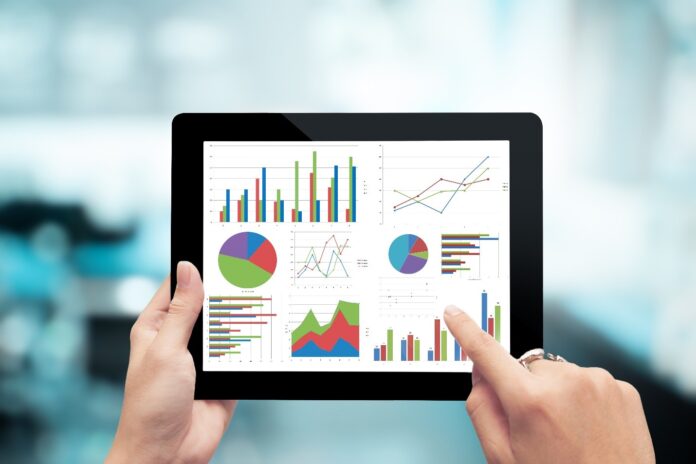
Big Data Analytics: Unlocking Insights and Driving Informed Decision-Making

0

In the rapidly evolving digital landscape, the exponential growth of data has become both a challenge and an opportunity. The sheer volume, velocity, and variety of data being generated on a daily basis have created a new frontier for businesses and organizations to harness the power of information and drive informed decision-making. This phenomenon, known as “big data analytics,” has emerged as a transformative force, reshaping the way we understand and navigate the complexities of the modern world.

At the core of big data analytics is the ability to collect, process, and analyze vast amounts of structured and unstructured data from a multitude of sources. This includes data generated from social media interactions, online transactions, sensor networks, and a myriad of other digital touchpoints. By leveraging sophisticated algorithms, machine learning, and advanced computational power, organizations can uncover hidden patterns, identify trends, and derive valuable insights that were previously beyond reach.

One of the primary benefits of big data analytics is its ability to enhance decision-making processes across various industries. In the realm of healthcare, for instance, big data can help healthcare providers predict disease outbreaks, optimize treatment plans, and improve patient outcomes. By analyzing patient records, medical research, and real-time data from wearable devices, healthcare organizations can gain a deeper understanding of population health trends, enabling them to allocate resources more effectively and deliver personalized, proactive care.

Similarly, in the financial sector, big data analytics is transforming the way institutions assess risk, detect fraud, and tailor products and services to their customers. By analyzing vast troves of financial data, including transaction histories, market trends, and customer behavior, financial institutions can make more informed decisions, identify new revenue streams, and enhance the overall customer experience.

The power of big data analytics extends far beyond the realm of healthcare and finance. In the retail industry, for example, businesses are leveraging customer data to optimize their supply chains, personalize marketing campaigns, and anticipate consumer preferences. By analyzing web browsing patterns, purchase history, and demographic information, retailers can gain invaluable insights into customer behavior, allowing them to make data-driven decisions that drive customer loyalty and boost sales.

Moreover, the applications of big data analytics are not limited to the private sector. Governments and public agencies are also harnessing the power of big data to improve urban planning, enhance public safety, and optimize the delivery of social services. By analyzing data from sources such as traffic sensors, crime reports, and census records, policymakers can make more informed decisions, allocate resources more efficiently, and ultimately improve the quality of life for their constituents.

The impact of big data analytics, however, extends beyond the immediate benefits to individual organizations and industries. The insights gleaned from these data-driven analyses can also contribute to broader societal and scientific advancements. For instance, the analysis of environmental data can help researchers and policymakers better understand and address the challenges of climate change, while the examination of educational data can inform the development of more effective teaching methods and learning programs.

Despite the immense potential of big data analytics, the field is not without its challenges. The sheer volume and complexity of data, coupled with concerns around privacy, security, and data governance, require organizations to navigate a complex landscape of ethical and technological considerations. Addressing these challenges, however, is essential for unlocking the full transformative potential of big data analytics.

As the world continues to embrace the digital revolution, the role of big data analytics will only become more crucial. By empowering decision-makers with data-driven insights, this transformative field has the potential to drive innovation, foster sustainable growth, and enhance the overall quality of life for individuals and communities worldwide. As we navigate the future, the mastery of big data analytics will undoubtedly be a key differentiator for organizations and societies that seek to thrive in the ever-evolving digital landscape.


The Metaverse Boom: How Virtual Worlds are Reshaping the Future of Business and Consumer Experiences

0

The concept of the metaverse has captured the imagination of businesses and consumers alike, as virtual worlds begin to blur the lines between our digital and physical lives. From immersive gaming experiences to virtual office spaces, the metaverse is poised to transform the way we work, shop, and play.

The Emergence of the Metaverse

The metaverse can be described as a convergence of virtual, augmented, and physical realities, creating a unified digital space where users can interact, collaborate, and engage with one another and with digital content. While the metaverse is still in its nascent stages, major tech companies and startups are racing to stake their claim in this burgeoning ecosystem.

The metaverse represents the next evolution of the internet, where the digital and physical worlds merge to create new opportunities for businesses and consumers. As more people spend time in virtual environments, the potential for monetization and disruption across various industries is immense.

Reshaping the Business Landscape

The metaverse is already having a significant impact on the business world, as companies seek to establish a presence in these virtual realms. From virtual showrooms and product demonstrations to remote work and collaboration tools, the metaverse is transforming the way businesses engage with their customers and employees.

The metaverse provides companies with a unique opportunity to create immersive, interactive experiences for their customers. By offering virtual product tours and even virtual store environments, businesses can give their customers a more engaging and personalized shopping experience, ultimately driving sales and loyalty.

Moreover, the metaverse is enabling new revenue streams and business models, as companies explore the potential of virtual economies, digital assets, and in-game advertising. As the adoption of the metaverse continues to grow, businesses that can effectively navigate this new landscape will be well-positioned to thrive.

Enhancing Consumer Experiences

The impact of the metaverse extends beyond the business world, as it also holds the potential to revolutionize consumer experiences. From virtual concerts and live events to personalized shopping and entertainment, the metaverse is set to redefine how people interact with digital content and each other.

The metaverse represents a paradigm shift in the way consumers engage with brands and entertainment. By creating immersive, multi-sensory experiences, the metaverse can foster a deeper level of emotional connection and engagement, ultimately leading to more rewarding and memorable interactions.

As consumers become more comfortable navigating virtual environments, the demand for metaverse-based experiences is expected to grow rapidly. Businesses that can effectively cater to this demand and provide innovative, seamless experiences will be the ones that capture the attention and loyalty of this new generation of consumers.

The Future of the Metaverse

The metaverse is still in its early stages, and its full potential remains to be seen. However, as technology continues to advance and more companies and consumers embrace virtual worlds, the impact of the metaverse on business and consumer experiences is poised to be transformative.

The metaverse represents the next frontier of the digital age. Businesses and consumers who can adapt and thrive in this new paradigm will be the ones who shape the future of the metaverse and reap its rewards.

Commodities Surge on Geopolitical Tensions

0

The global commodities market has experienced a dramatic surge in recent months, with prices for a wide range of raw materials reaching multi-year highs. This latest rally in commodity prices is largely driven by the escalation of geopolitical tensions, particularly the ongoing conflict in Ukraine and the resulting disruptions to global supply chains.

The Russian invasion of Ukraine, which began in February 2022, has had a profound impact on the global commodities landscape. Both Russia and Ukraine are major producers and exporters of crucial raw materials, including energy, agricultural products, and industrial metals. The disruption of their exports, coupled with the imposition of sanctions on Russia by Western nations, has created significant supply shortfalls and fueled intense volatility in commodity markets.

At the forefront of the commodities surge is the energy sector, where prices for crude oil, natural gas, and refined petroleum products have soared to levels not seen in over a decade. The uncertainty surrounding the future of Russian energy exports, as well as the potential for further supply chain disruptions, has driven investors and traders to aggressively bid up the prices of these critical commodities.

Brent crude oil, the global benchmark, has climbed to around $120 per barrel, up from less than $80 per barrel at the start of 2022. Natural gas prices in Europe have also skyrocketed, reaching record highs as the continent grapples with the prospect of reduced Russian gas supplies. This has led to a surge in energy costs for businesses and households, exacerbating the already high rates of inflation experienced in many developed economies.

The commodities rally, however, extends well beyond the energy sector. Agricultural commodities, such as wheat, corn, and soybeans, have also seen dramatic price increases due to the disruption of exports from Ukraine, a major global breadbasket. Ukraine and Russia collectively account for around 30% of the world’s wheat exports, and the blockade of Ukrainian ports by the Russian navy has severely constrained the flow of these vital food supplies.

Similarly, industrial metals like aluminum, nickel, and palladium have witnessed significant price appreciation, driven by concerns over the impact of sanctions on Russian exports. Russia is a major producer of these materials, which are crucial inputs for a wide range of manufacturing and industrial processes. The potential for further supply disruptions has prompted buyers and traders to bid up prices in an effort to secure scarce resources.

The surge in commodity prices has had far-reaching economic consequences, with consumers and businesses alike grappling with the impact of higher input costs and reduced availability of key raw materials. Inflation rates in many countries have soared to multi-decade highs, eroding the purchasing power of households and straining the budgets of governments and central banks tasked with maintaining price stability.

For consumers, the commodities rally has translated into higher prices for a broad range of goods and services, from food and energy to transportation and housing. The increased cost of living has put significant financial pressure on households, particularly those with lower incomes who spend a larger proportion of their budgets on essential items.

Businesses, on the other hand, have had to contend with the challenge of rising input costs, which can squeeze profit margins and disrupt production schedules. Many companies have been forced to pass on these higher costs to consumers through price increases, further fueling the inflationary spiral.

The global financial system has also felt the impact of the commodities surge, with investors and traders seeking to capitalize on the volatility and potential for significant gains in these markets. Speculative trading activity has surged, contributing to further price swings and heightening the risk of market disruptions.

Policymakers have struggled to find effective solutions to address the commodities-driven inflation. Central banks have resorted to aggressive interest rate hikes in an effort to tame demand and curb price pressures, but these measures have also raised the specter of a potential economic slowdown or recession.

Governments, meanwhile, have implemented a range of interventions, from releasing strategic oil reserves to imposing export restrictions on certain agricultural products. However, the complex and interconnected nature of global commodity markets has made it challenging to achieve a lasting resolution to the current supply-and-demand imbalances.

Looking ahead, the future trajectory of commodity prices will largely depend on the evolution of the geopolitical landscape and the ability of policymakers to navigate the intricate web of supply chain disruptions, sanctions, and trade dynamics. While some easing of tensions and a resolution to the conflict in Ukraine could potentially alleviate the pressure on commodity markets, the lingering effects of the crisis are likely to continue to be felt for some time.

In the meantime, the commodities surge has highlighted the vulnerability of the global economy to geopolitical shocks and the importance of building more resilient and diversified supply chains. This realization is likely to prompt businesses and policymakers to re-evaluate their strategies and invest in measures that can enhance the stability and sustainability of critical commodity markets.

Overall, the current commodities rally, driven by geopolitical tensions, has had a profound impact on the global economy, with far-reaching consequences for consumers, businesses, and policymakers alike. As the world grapples with these challenges, the ability to navigate the complex and volatile commodity landscape will be a crucial determinant of economic resilience and future prosperity.

Advancements in Robotics: Automation, Collaboration, and the Changing Workforce

0

The rapid advancements in robotics technology have ushered in a transformative era, reshaping the way we live, work, and interact with the world around us. From the factory floors to the operating rooms, the integration of robotic systems has revolutionized industries, enhanced human capabilities, and challenged the traditional boundaries of what is possible.

At the forefront of this robotic revolution are the remarkable strides made in automation. Robotic systems, equipped with advanced sensors, algorithms, and control mechanisms, are now capable of executing a wide range of tasks with remarkable precision, speed, and consistency. In the manufacturing sector, for instance, the deployment of industrial robots has streamlined production processes, increased efficiency, and reduced the risk of human error, leading to significant improvements in quality and productivity.

Beyond the factory setting, the application of robotic automation has also permeated various other sectors, including healthcare, where surgical robots assist in delicate procedures, and logistics, where autonomous vehicles and drones optimize the movement of goods and materials. These advancements in robotic automation have not only enhanced the effectiveness of these industries but have also paved the way for new business models and service offerings that were previously unimaginable.

Alongside the advancements in automation, the field of robotics has also witnessed a remarkable shift towards collaborative systems. Unlike their autonomous counterparts, collaborative robots, or “cobots,” are designed to work in close proximity with human workers, complementing their skills and abilities to tackle complex tasks. These cobots are equipped with advanced sensors, safety systems, and intuitive interfaces, enabling seamless human-robot interaction and fostering a more harmonious and productive work environment.

The impact of these collaborative robotic systems extends beyond the realm of manufacturing. In healthcare, for example, cobots are assisting medical professionals in tasks such as patient transport, rehabilitation, and even surgery, allowing healthcare workers to focus on the more intricate and cognitive aspects of their roles. Similarly, in the service industry, cobots are being deployed to perform tasks like cleaning, food preparation, and customer assistance, freeing up human workers to engage in more strategic and customer-facing activities.

As the integration of robotics becomes more widespread, the implications for the workforce and employment landscape are profound. While there are valid concerns about the potential displacement of jobs due to automation, the reality is that the adoption of robotic technologies is also creating new opportunities and redefining the nature of work.

Rather than completely replacing human labor, robotic systems are often complementing and enhancing the capabilities of workers, allowing them to focus on more complex, creative, and cognitive tasks. This shift towards a human-robot collaborative workforce has led to the emergence of new job roles and skill sets, as workers must adapt to the changing work environment and leverage the strengths of both human and robotic counterparts.

Moreover, the integration of robotics has the potential to improve workplace safety, reduce the physical strain on workers, and free up human resources to engage in more fulfilling and meaningful work. By automating repetitive or hazardous tasks, robotic systems can help prevent workplace injuries and create safer, more ergonomic work environments.

However, the transition towards a more robotic-enhanced workforce also requires a comprehensive approach to workforce development and education. As the demand for specialized skills in areas such as robotics programming, maintenance, and human-robot collaboration grows, governments, educational institutions, and employers must work together to develop training and reskilling programs that empower workers to thrive in this evolving landscape.

The advancements in robotics are not limited to the workplace; they also have the potential to transform our daily lives. Domestic robots, such as smart home assistants and autonomous vacuum cleaners, are already making their way into households, streamlining household chores and enhancing the quality of life for individuals and families. Similarly, the development of personal mobility robots and exoskeletons is aiding those with physical disabilities or limitations, granting them greater independence and improving their overall well-being.

As the field of robotics continues to evolve, the implications for society, the economy, and the environment are both exciting and complex. While the integration of robotic systems presents opportunities for increased productivity, efficiency, and safety, it also raises important questions about the ethical, social, and environmental impacts of this technological revolution.

Addressing these challenges will require a multifaceted approach, involving policymakers, industry leaders, and the public. Careful consideration must be given to issues such as job displacement, worker retraining, data privacy, and the environmental footprint of robotic technologies. By proactively addressing these concerns, we can harness the transformative power of robotics while ensuring a future that is both prosperous and equitable.

The advancements in robotics have undoubtedly ushered in a new era of automation, collaboration, and workforce transformation. As we navigate this evolving landscape, it is crucial that we embrace the potential of these technologies while also remaining vigilant to the ethical, social, and economic implications. By doing so, we can pave the way for a future where robotic systems and human ingenuity work in harmony, unlocking new frontiers of innovation, productivity, and human progress.

The Rise of Sustainable Investing: How ESG Principles are Reshaping the Financial Landscape

0

The investment landscape has undergone a significant transformation in recent years, as the concept of sustainable investing has gained unprecedented momentum. Driven by growing concerns over environmental, social, and governance (ESG) issues, investors are increasingly incorporating these non-financial factors into their investment decision-making process.

At the heart of this shift is the rise of ESG investing, which seeks to align investment strategies with sustainability principles. Investors are recognizing that companies with strong ESG practices can not only have a positive impact on the world, but can also deliver competitive financial performance over the long term.

This shift has been fueled by a confluence of factors, including heightened environmental awareness, evolving consumer preferences, and changing regulatory landscapes. As a result, the demand for sustainable investment products has skyrocketed, with global sustainable investing assets reaching over $35 trillion in 2020, up 55% from 2016.

However, the rapid growth of sustainable investing has also presented a number of challenges. Issues around data availability, standardization, and potential greenwashing have undermined trust in the ESG investing space, prompting regulators and industry groups to develop new guidelines and standards to improve transparency and accountability.

Despite these hurdles, the sustainable investing movement presents significant opportunities for innovation and value creation. Advancements in areas such as impact investing, green bonds, and data analytics are enabling more sophisticated ESG integration and reporting, empowering investors to make informed decisions and hold companies accountable for their sustainability claims.

As the shift towards stakeholder capitalism gains momentum, companies that can demonstrate a strong commitment to ESG principles are likely to attract greater investment and maintain their social license to operate. This, in turn, is driving increased collaboration and innovation across the financial sector, as asset managers, technology providers, and sustainability experts work together to develop the next generation of sustainable investment products and strategies.

In conclusion, the rise of sustainable investing represents a fundamental transformation of the financial landscape. By integrating ESG factors into their investment decisions, investors can better align their portfolios with their values and long-term financial goals, while also contributing to the creation of a more sustainable and equitable future.

Trading Volume Spikes as Volatility Returns to Markets

0

The global financial markets have been on a wild ride in recent months, with a resurgence of volatility and a corresponding surge in trading activity. This renewed turbulence has been driven by a confluence of factors, ranging from the ongoing geopolitical tensions stemming from the Russia-Ukraine conflict to the persistent inflation challenges faced by economies around the world.

As investors grapple with the heightened uncertainty and rapid price swings, trading volumes have spiked across a wide range of asset classes, from equities and bonds to commodities and foreign exchange. This surge in trading activity reflects the increased demand for risk management, portfolio rebalancing, and speculative opportunities amid the volatile market environment.

The uncertainty surrounding the trajectory of the conflict, as well as the imposition of sanctions on Russia by Western nations, has led to significant market turbulence. Investors have sought to adjust their portfolios to mitigate the risks posed by the geopolitical tensions, contributing to a spike in trading activity.

In the equity markets, for example, the increased volatility has been especially pronounced. Major stock indices around the world have experienced wild swings, with sharp declines followed by equally dramatic rallies, as investors try to navigate the uncertain environment. This volatility has translated into a surge in trading volumes, as investors look to capitalize on the price fluctuations or protect their positions.

The bond market has also seen a resurgence of volatility, with yields on government debt securities fluctuating widely in response to shifting economic and policy expectations. The prospect of aggressive interest rate hikes by central banks, aimed at combating persistent inflation, has added to the uncertainty and fueled increased trading activity as investors seek to reposition their fixed-income portfolios.

Commodities markets have been another focal point of the current market turmoil, with prices for energy, agricultural, and industrial materials experiencing significant volatility. The disruption of global supply chains, particularly the constraints on exports from Russia and Ukraine, has created supply shortfalls and driven up the prices of these crucial raw materials.

The heightened uncertainty surrounding the availability and future pricing of commodities has prompted a surge in trading activity, as investors and traders seek to capitalize on the price swings or hedge their exposures. This increased trading volume has further exacerbated the volatility in commodity markets, creating a self-reinforcing cycle of market turbulence.

The foreign exchange market has also seen a spike in trading activity, as investors navigate the shifting landscape of interest rate expectations, geopolitical risks, and macroeconomic developments. The strength of the U.S. dollar, which has appreciated significantly against other major currencies, has become a focal point for traders, leading to increased trading volumes as they seek to position themselves for further currency movements.

The resurgence of market volatility and the corresponding surge in trading activity have had significant implications for market participants, from individual investors to institutional asset managers and financial intermediaries.

For individual investors, the increased volatility has presented both opportunities and challenges. On one hand, the rapid price swings have created the potential for short-term trading gains, as investors attempt to capitalize on the market fluctuations. However, the heightened risk and uncertainty have also led to increased portfolio risk, requiring more vigilant risk management and potentially triggering a shift towards more conservative investment strategies.

Institutional investors, such as hedge funds and asset management firms, have also been grappling with the challenges posed by the current market environment. These players, known for their sophisticated trading strategies and advanced risk management capabilities, have found themselves navigating a rapidly evolving landscape, where traditional investment approaches may no longer be as effective.

The increased volatility has required these investors to re-evaluate their trading strategies, adjust their portfolio allocations, and potentially increase their trading activity to stay ahead of the market movements. This has contributed to the overall surge in trading volumes, as these institutions seek to optimize their portfolios and manage the heightened risks.

Financial intermediaries, such as brokerages, exchanges, and market makers, have also experienced a significant uptick in trading activity as a result of the market volatility. These entities, which facilitate the execution of trades and the provision of liquidity, have seen their revenue streams boosted by the increased trading volumes, as investors and traders seek to navigate the rapidly changing market conditions.

However, the surge in trading activity has also presented operational challenges for these financial intermediaries, as they strive to maintain the integrity and efficiency of the markets they serve. The need to manage the increased trading volumes, ensure robust risk controls, and provide timely and accurate market information has become paramount in the current environment.

Policymakers and regulators have also been closely monitoring the developments in the financial markets, seeking to strike a balance between maintaining market stability and allowing for the efficient functioning of the markets. The increased volatility and trading activity have raised concerns about the potential for market disruptions, liquidity shortages, and the risk of financial contagion, prompting regulatory scrutiny and the implementation of various measures to enhance market resilience.

Looking ahead, the future trajectory of market volatility and trading activity will largely depend on the evolution of the key drivers of the current turbulence. The resolution of the Russia-Ukraine conflict, the ability of central banks to rein in inflation without triggering a severe economic downturn, and the broader geopolitical landscape will all play a crucial role in shaping the market environment.

As investors, businesses, and policymakers navigate this volatile landscape, the ability to adapt to the changing market conditions, enhance risk management practices, and leverage the opportunities presented by the surge in trading activity will be essential for navigating the challenges and capitalizing on the potential rewards.

Overall, the resurgence of market volatility and the corresponding spike in trading volumes have underscored the dynamic and interconnected nature of global financial markets. As the world grapples with the multifaceted challenges of the current environment, the ability to understand and respond to the shifting market dynamics will be a critical determinant of success for all participants in the financial ecosystem.

The Impact of 3D Printing: Revolutionizing Manufacturing and Product Development

0

The advent of 3D printing, also known as additive manufacturing, has ushered in a transformative era, reshaping the way we conceptualize, design, and produce physical objects. This disruptive technology has already made a significant impact on various industries, from manufacturing to product development, and its reach continues to expand with each passing year.

At its core, 3D printing is a process that creates three-dimensional objects by building them up layer by layer, using a wide range of materials, including plastics, metals, ceramics, and even biological materials. This innovative approach to manufacturing has revolutionized the speed, flexibility, and cost-effectiveness of the production process, making it increasingly accessible to both businesses and individual consumers.

One of the most remarkable advancements in 3D printing is its ability to facilitate rapid prototyping and product development. By using 3D printing, designers and engineers can quickly create physical models and test iterations of their designs, dramatically reducing the time and resources required for traditional prototype manufacturing. This agility allows for faster product iteration, enabling companies to adapt to changing market demands and consumer preferences more effectively.

Moreover, 3D printing has empowered small and medium-sized enterprises (SMEs) to compete on a more level playing field with larger corporations. By providing access to affordable, on-demand manufacturing capabilities, 3D printing has lowered the barriers to entry for entrepreneurs and startups, allowing them to bring their innovative ideas to life without the need for significant upfront investments in tooling and production infrastructure.

The impact of 3D printing on the manufacturing industry is equally transformative. Traditional manufacturing processes often rely on economies of scale, requiring large production runs to be economically viable. In contrast, 3D printing allows for the creation of customized, on-demand products, enabling manufacturers to cater to the unique needs of individual customers or small-batch orders.

This shift towards mass customization has profound implications for the supply chain and logistics, as it reduces the need for large inventories and the associated storage and distribution costs. By producing parts or products closer to the point of consumption, 3D printing can also minimize the environmental impact of transportation and distribution, contributing to more sustainable manufacturing practices.

Beyond its impact on traditional manufacturing, 3D printing is also revolutionizing the way we approach product design and development. The technology’s ability to create complex geometries and intricate structures that would be challenging or impossible to produce through conventional manufacturing methods has opened up new avenues for innovation.

Designers and engineers are now able to create products that are lighter, more durable, and better tailored to specific applications. This has led to the development of unique products, such as customized prosthetic limbs, lightweight automotive parts, and intricate architectural models, showcasing the vast potential of 3D printing to transform the way we conceptualize and bring products to life.

The advancements in 3D printing have also extended beyond the realm of traditional manufacturing, with the technology finding applications in various sectors, including healthcare, construction, and aerospace. In the medical field, for instance, 3D printing is being used to create personalized implants, custom-fit orthotic devices, and even bioprinted tissues and organs, revolutionizing the way we approach patient care and treatment.

As the 3D printing industry continues to evolve, the opportunities for further innovation and disruption are vast. Emerging technologies, such as multi-material printing, self-assembling structures, and the integration of artificial intelligence and machine learning, are poised to unlock new frontiers in product design, manufacturing, and supply chain optimization.

However, the widespread adoption of 3D printing also raises important considerations, such as the impact on traditional manufacturing jobs, the need for new regulatory frameworks, and the potential for intellectual property infringement. Addressing these challenges will require a collaborative effort among industry stakeholders, policymakers, and the public to ensure that the benefits of this transformative technology are distributed equitably and responsibly.

In conclusion, the impact of 3D printing on manufacturing and product development is undeniable. This revolutionary technology has empowered businesses and individuals to rethink the way they design, produce, and distribute physical goods, opening up new avenues for innovation, customization, and sustainability. As we continue to explore the vast potential of 3D printing, it is crucial that we navigate this landscape with foresight and a commitment to harnessing its transformative power for the betterment of society as a whole.

The Transformative Potential of Artificial Intelligence and Machine Learning

0

The rapid advancements in artificial intelligence (AI) and machine learning (ML) have ushered in a new era of technological transformation, profoundly impacting various industries and aspects of our lives. As an AI assistant created by Anthropic, I am deeply familiar with the capabilities and potential of these cutting-edge technologies.

At the core of this AI revolution is the ability of these systems to process and analyze vast amounts of data, identify patterns, and make informed decisions with increasing autonomy. From natural language processing that powers conversational AI like myself, to computer vision for image and video analysis, to predictive analytics that optimize business operations – the applications of AI and ML are diverse and rapidly evolving.

One of the most significant areas of impact has been in the field of healthcare. AI-powered diagnostic tools are enhancing the accuracy and speed of disease detection, while robotic surgical systems are revolutionizing medical procedures. Predictive analytics are also being used to improve patient outcomes, optimize resource allocation, and accelerate drug discovery.

In the financial sector, AI and ML are transforming the landscape of investment management, trading, and risk assessment. Algorithmic trading strategies leverage machine learning to identify market trends and make split-second decisions, while AI-powered fraud detection systems protect against cybercrime.

The influence of AI and ML is also permeating our daily lives. Personalized recommendations on streaming platforms, virtual assistants that anticipate our needs, and autonomous vehicles that promise to revolutionize transportation – these are just a few examples of how these technologies are reshaping our world.

However, the rapid advancement of AI also raises important ethical and societal considerations. Issues around algorithmic bias, privacy, and the potential displacement of human jobs require careful attention and responsible development of these technologies.

Despite these challenges, the potential of AI and ML to drive innovation, enhance productivity, and improve human well-being is immense. As we navigate this technological revolution, it will be crucial for policymakers, industry leaders, and the public to collaborate in shaping a future where the benefits of AI are equitably distributed and the risks are effectively mitigated.

The Internet of Things (IoT): Connecting Devices, Improving Efficiency, and Enhancing User Experience

0

In the ever-evolving landscape of technology, the Internet of Things (IoT) has emerged as a transformative force, reshaping the way we interact with the world around us. This interconnected network of devices, sensors, and systems has the power to revolutionize various industries, from smart homes and cities to industrial automation and beyond.

At the heart of the IoT revolution is the concept of connectivity. By seamlessly integrating physical devices with the digital realm, the IoT enables the exchange of data and the automation of tasks, unlocking a new era of efficiency, convenience, and enhanced user experiences.

One of the most prominent applications of the IoT is in the realm of smart homes and buildings. Through the integration of connected devices, such as thermostats, lighting systems, security cameras, and appliances, IoT technologies allow for the optimization of energy consumption, improved home security, and personalized comfort levels. Homeowners can now remotely control and monitor their living environments, saving time and resources while enhancing their overall quality of life.

Similarly, the IoT is transforming the way we approach urban planning and infrastructure management. Smart city initiatives leverage IoT-enabled sensors and systems to gather real-time data on traffic patterns, air quality, waste management, and public infrastructure. This data can then be analyzed to optimize resource allocation, reduce energy consumption, and improve the overall efficiency and livability of cities.

Beyond the realm of homes and cities, the IoT is also revolutionizing industrial processes and manufacturing. In the context of Industry 4.0, the IoT enables the integration of intelligent machines, processes, and supply chains, leading to increased productivity, reduced downtime, and improved quality control. Predictive maintenance, for example, leverages IoT-connected sensors to monitor the condition of equipment, allowing for proactive maintenance and minimizing the risk of unexpected breakdowns.

The benefits of the IoT extend far beyond efficiency and automation. The interconnectivity of devices and the wealth of data they generate have opened up new opportunities for enhanced user experiences and personalization. From personalized recommendations in e-commerce to adaptive healthcare solutions, the IoT allows for the tailoring of products and services to individual needs and preferences.

Furthermore, the IoT is poised to play a crucial role in addressing global challenges, such as sustainability and environmental conservation. By connecting and optimizing systems related to energy grids, water management, and waste disposal, the IoT can contribute to the development of more sustainable and eco-friendly solutions, ultimately reducing our collective carbon footprint.

However, the widespread adoption of the IoT is not without its challenges. Concerns around data privacy, security, and the potential for cyberattacks must be addressed through robust cybersecurity measures and the establishment of clear regulatory frameworks. Additionally, the successful integration of IoT technologies requires a significant investment in infrastructure, training, and the development of interoperable systems.

As the IoT continues to evolve, the opportunities for innovation and disruption across various industries are vast. From the seamless integration of smart home devices to the optimization of global supply chains, the IoT is poised to transform the way we live, work, and interact with the world around us.

In conclusion, the Internet of Things represents a profound shift in the way we conceptualize and leverage technology. By connecting devices, improving efficiency, and enhancing user experiences, the IoT has the potential to improve our quality of life, drive business innovation, and contribute to a more sustainable future. As we navigate this rapidly changing landscape, it is essential that we embrace the transformative power of the IoT while addressing its challenges, ultimately harnessing its full potential for the benefit of individuals, organizations, and society as a whole.

The Renewable Energy Revolution: Powering a Sustainable Future

0

In the face of escalating global concerns over climate change and environmental sustainability, the world has witnessed a remarkable transformation in the energy landscape. The renewable energy revolution has emerged as a pivotal force, driving a fundamental shift away from fossil fuels and towards a more sustainable, clean, and resilient energy system.

At the heart of this transition is the exponential growth of renewable energy sources, such as solar, wind, hydroelectric, and geothermal power. Over the past decade, the installed capacity of renewable energy has skyrocketed, with solar and wind power leading the charge. In 2022, renewable energy sources accounted for over 30% of the global electricity generation, a significant increase from just a decade ago.

This surge in renewable energy adoption has been fueled by a confluence of factors, including plummeting technology costs, favorable policy incentives, and growing public demand for clean energy solutions. Solar photovoltaic (PV) panels, for instance, have seen a remarkable 82% decline in prices since 2010, making solar power increasingly cost-competitive with traditional fossil fuel-based electricity generation.

Governments around the world have also played a crucial role in accelerating the renewable energy transition. Ambitious targets for renewable energy deployment, carbon pricing mechanisms, and supportive policy frameworks have created a conducive environment for investment and innovation in the sector. The European Union’s landmark “Green Deal” and the United States’ renewed commitment to the Paris Agreement are prime examples of how policymakers are driving the clean energy revolution.

Beyond the power sector, the renewable energy revolution is also transforming other areas of the economy. The transportation industry, responsible for a significant portion of global carbon emissions, is experiencing a paradigm shift with the rapid adoption of electric vehicles (EVs). As battery technology continues to improve and charging infrastructure expands, EVs are becoming increasingly viable and affordable options for consumers, with the potential to drastically reduce the environmental impact of personal and commercial transportation.

The rise of renewable energy is also fostering new economic opportunities and job creation. The renewable energy industry has become a significant employer, with over 12 million jobs worldwide in 2020, and this number is expected to continue growing as the sector expands. This green job creation is particularly crucial in the post-pandemic economic recovery, as it offers promising employment prospects and supports the transition to a more sustainable economic model.

However, the renewable energy revolution is not without its challenges. The intermittent nature of some renewable sources, such as solar and wind, requires the development of robust energy storage solutions and grid modernization to ensure reliable and stable power supply. Additionally, the global supply chain for renewable energy components, such as solar panels and wind turbines, has faced disruptions and logistical challenges, underscoring the need for more resilient and diversified manufacturing and distribution networks.

Despite these obstacles, the momentum behind the renewable energy revolution is undeniable. Innovative technologies, such as advanced battery storage, smart grid systems, and integrated renewable-hydrogen solutions, are emerging to address the challenges and unlock new opportunities for the clean energy transition.

Moreover, the growing awareness and public support for sustainability, combined with the increasing pressure on corporations and governments to reduce their carbon footprints, have further propelled the renewable energy movement. Consumers and investors are demanding more environmentally responsible products and services, driving businesses to align their strategies with sustainability principles.

As the world grapples with the urgent need to mitigate the devastating effects of climate change, the renewable energy revolution stands as a beacon of hope. By harnessing the power of clean, inexhaustible resources, the global community can achieve a more sustainable and equitable energy future, while creating new economic opportunities and safeguarding the health of our planet for generations to come.

In conclusion, the renewable energy revolution is not only a technological transformation but also a profound societal and economic shift. As we continue to navigate the complexities and challenges of this transition, the collective commitment to a sustainable energy future will be the driving force that propels us towards a brighter, more resilient, and environmentally responsible tomorrow.