


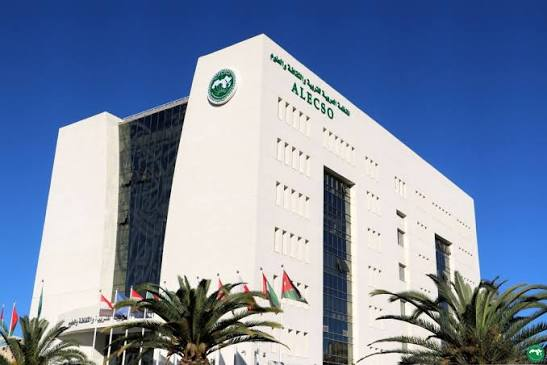

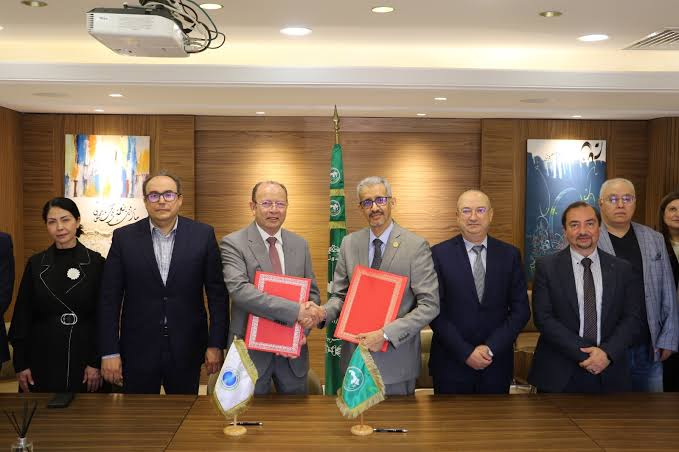
The International Association for Quality Assurance in Pre-Tertiary and Higher Education (QAHE) announced on 24 July 2026 that it had signed a memorandum of understanding with the Arab League Educational, Cultural and Scientific Organisation, known as ALECSO. The text published by QAHE is short. It names no signatory, sets no term, and states no fee. What it does name is a framework for accreditation and quality assurance, mutual recognition of standards, joint promotion of academic events, an exchange of expertise, and a route by which distinguished academics and professionals may be put forward for QAHE honorary fellowships.
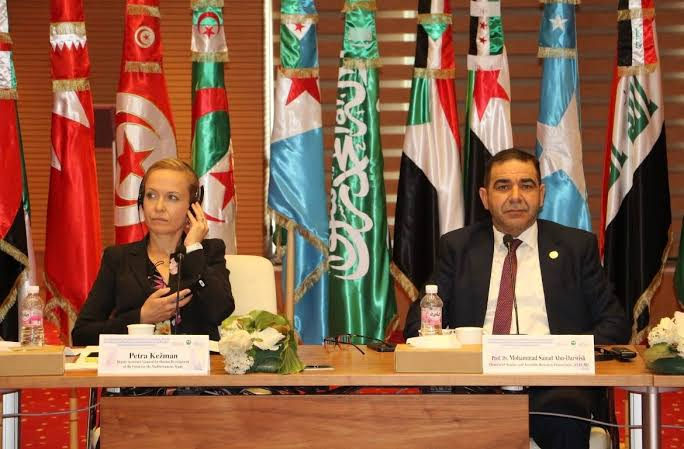
ALECSO is not a university and not a private association. It is a specialised institution of the League of Arab States, announced in Cairo on 25 July 1970 under the Arab Cultural Unity Charter and now based in Tunis. Its constitution commits it to coordinating education, culture and science among Arab states, and to raising the level of culture in the region. Article 1 speaks of unity of thought in the Arab world through those three fields. Membership covers the League’s states. Jordan, Algeria, Sudan, Syria, Iraq, Kuwait, Libya, Egypt and Yemen were among the first, in 1970. The organisation’s own account of itself is of a regional body for intellectual cooperation. QAHE’s announcement goes further and calls it a regional equivalent of UNESCO. That is a comparison of function, not a legal status. ALECSO does not sit inside the United Nations system. Its authority is the authority its member governments have given an Arab League agency.
That distinction is the political content of the July signing. A memorandum with an Arab League body reads, on a website, as regional cover. In intergovernmental practice it is a cooperation paper. ALECSO coordinates. It does not, by signing with an external quality-assurance association, bind a ministry of higher education in Cairo, Riyadh, Tunis or Baghdad to accept that association’s listings. Recognition of a foreign qualification remains a national decision. So does the right to open a university, to use the title of a degree, and to license a profession. Nothing in the published memorandum says otherwise, because the published memorandum does not reach those questions.
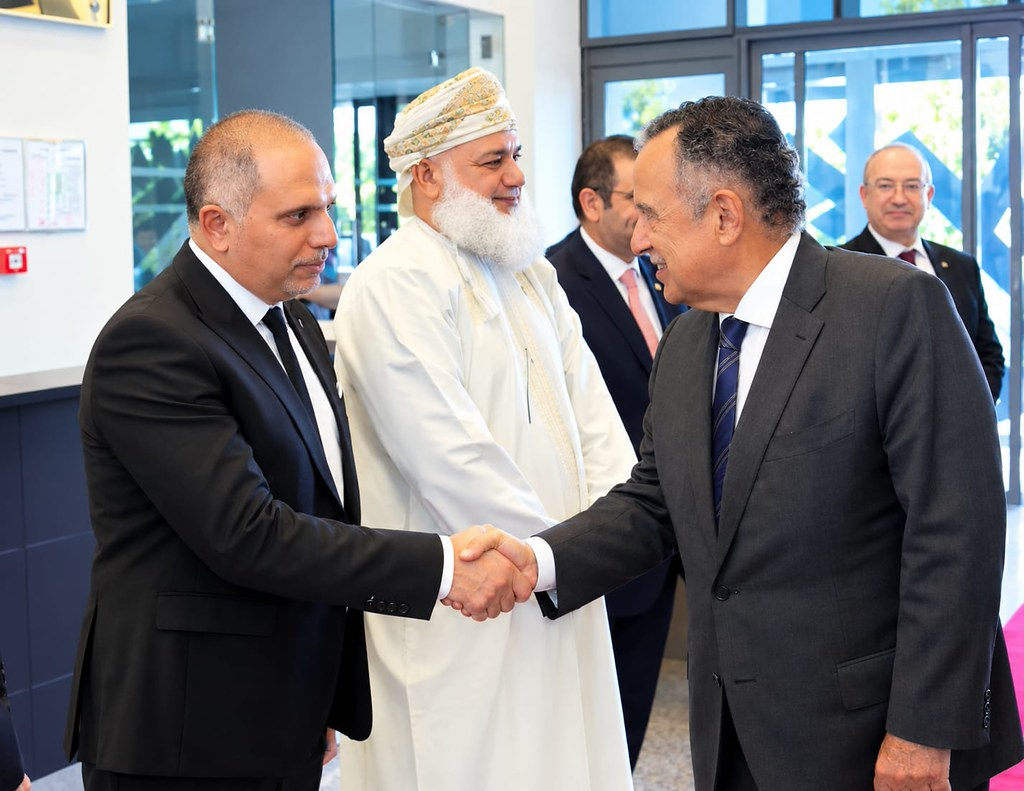
The clauses that are present still need a plain reading. “Mutual recognition of standards” is the phrase most likely to be shortened in a brochure. On the face of QAHE’s notice, it means the two organisations may treat one another’s quality frameworks as a basis for cooperation. It does not mean a QAHE institutional listing is an ALECSO accreditation, or that an ALECSO programme is a QAHE accreditation. The same notice says eligible work may include joint events and the exchange of practice. Those are ordinary partnership items. They become political only if they are later described as a decision of the League.
The honorary fellowships are a separate track. QAHE uses them to recognise academics and professionals. An honorary fellowship is a distinction conferred by QAHE. It is not an academic degree, not a chair in a member-state university, and not a status ALECSO can convert into a public appointment. The memorandum, as published, offers an opportunity for such recognition. It does not attach a stipend, a vote, or a regulatory function.
QAHE itself is an independent body. Its full name is the International Association for Quality Assurance in Pre-Tertiary and Higher Education. It reviews institutions against its own published standards and lists those that meet them. An institutional listing is a quality-assurance decision by that association. It is not a ministry accreditation, not a substitute for national higher-education law, and not a separate accreditation of every programme an institution offers. Readers of the July notice should keep that limit even though the notice itself does not spell it out. ALECSO’s involvement does not enlarge it.
The announcement closes by saying QAHE looks forward to working with ALECSO over the coming years on quality assurance, educational development and academic collaboration. No work plan, focal point or review date is given. Until those exist, the political fact is the signature, not a programme. An Arab League agency and a private quality-assurance body have agreed to talk about standards and events. Member governments have not, by that agreement, been asked to change whom they recognise.


