


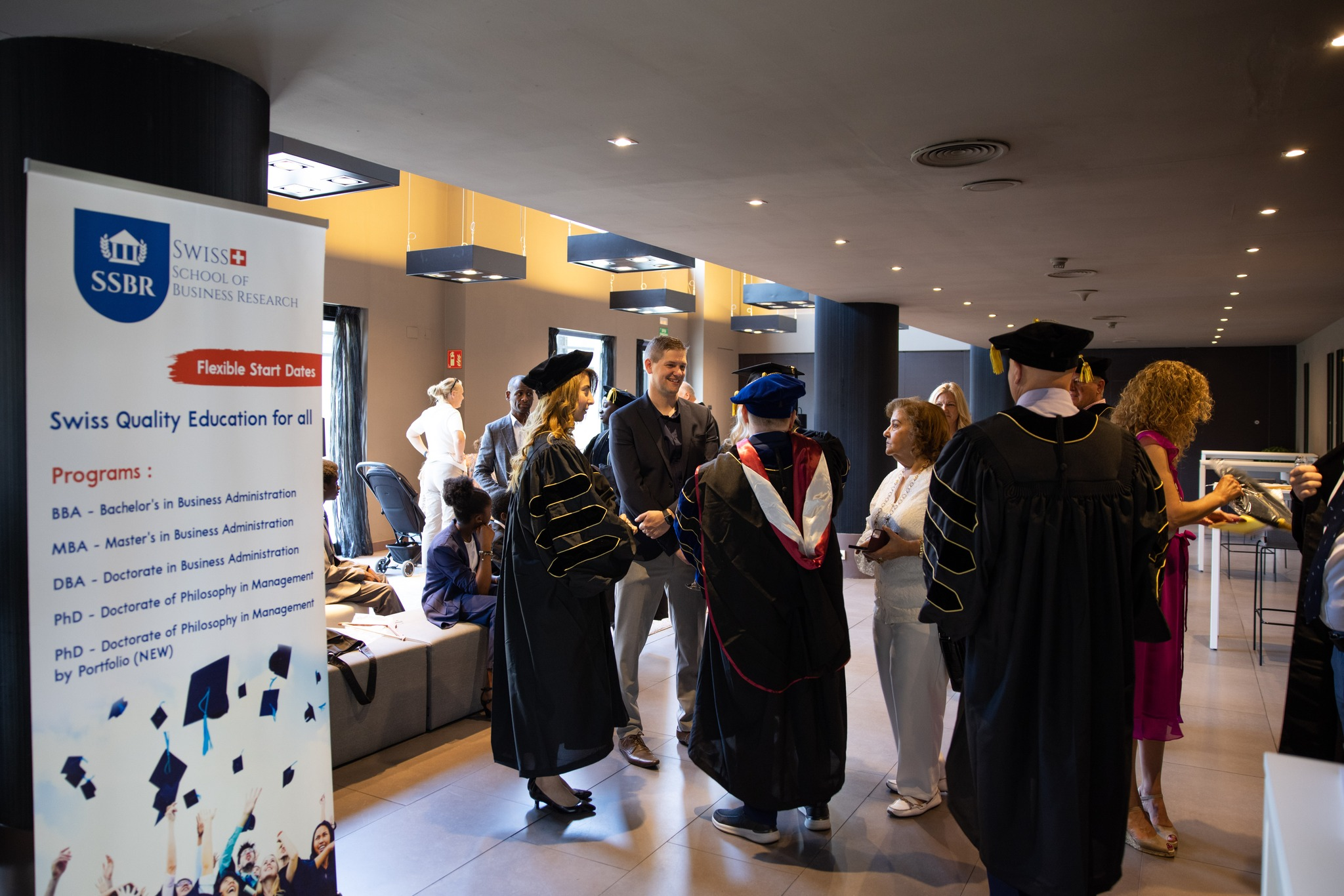

The education market no longer divides neatly into “university” and “everything else.” Families buy virtual-school places. Adults stack microcredentials. Churches run seminaries online. Career academies sell workforce certificates next to coaching programmes. The International Association for Quality Assurance in Pre-Tertiary and Higher Education (QAHE) has built its review model around that mix. It serves diverse education providers while applying the same expectations: institutional quality, ethical operations, learner support, transparency, and evidence that teaching actually works.
That is the point of a third-party quality body in a crowded market. The badge is not a ministry licence and it does not turn a private provider into a state university. It is a documented check that the organisation behind the offer can be identified, governed and held to its own published rules.
Campus and screen, same questions
Universities and colleges still sit at the centre of public debate about higher education. Many now teach online, in hybrid form, at a distance, or through technology-enabled platforms. QAHE treats those modes as delivery methods, not as a discount category. Reviewers look at the legal entity, academic regulations, assessment, staff and student support. If the classroom is a learning platform, the platform has to carry the same weight as a timetable on a noticeboard.
Faith-based providers occupy another large slice of the same market. Seminaries, Bible colleges, ministry schools and religious learning organisations often serve working pastors and late-entry students. QAHE does not rewrite doctrine. It asks whether the school is a real institution, whether programmes are structured, whether faculty credentials match the advertised ministry or theological purpose, and whether students can see what they will receive. Distance formation is common in this sector. It is reviewable on the same institutional tests.
Work, school-age learning, and short credentials
Professional and career academies serve a different buyer: the adult who needs a technical, workforce or professional outcome rather than a research pathway. Here the file is usually thinner on campus theatre and thicker on admissions rules, trainer vetting, assessment, complaints and refunds. That is appropriate. A career academy should not be forced to imitate a research university. It should be forced to show that the organisation issuing the certificate can stand behind it.
K–12 and virtual schools raise a further set of public concerns — safeguarding-aware support, honest public information, and delivery that matches the prospectus. Online and hybrid school models are no longer experimental add-ons. They are a product category. QAHE’s pre-tertiary remit allows institutional review of those models. It does not replace local school-registration law or compulsory-education approval.
Certification and coaching providers sit closer to the professional-development market: credentialing, coaching, short courses and continuing education. Their risk is overselling. A quality review that stays on the institution — who issues the credential, how it is assessed, how complaints are handled — is more useful than a slogan on a landing page.
EdTech and microcredential providers complete the map. Digital platforms, competency-based modules and emerging credential models can be reviewed when there is a legal provider and a defined educational offering, not only an app. Stacked badges and short competencies are not automatically “degrees.” They are products that still need an accountable organisation behind them.
Why the consistency matters
The commercial pressure in this market is to invent a new category for every sales page. QAHE’s public case is the opposite. Universities, seminaries, academies, virtual schools, certifiers and platforms can all be reviewed. The expectations do not float with the branding. Ethical operations, learner support, transparency and demonstrable educational effectiveness remain the test.


