


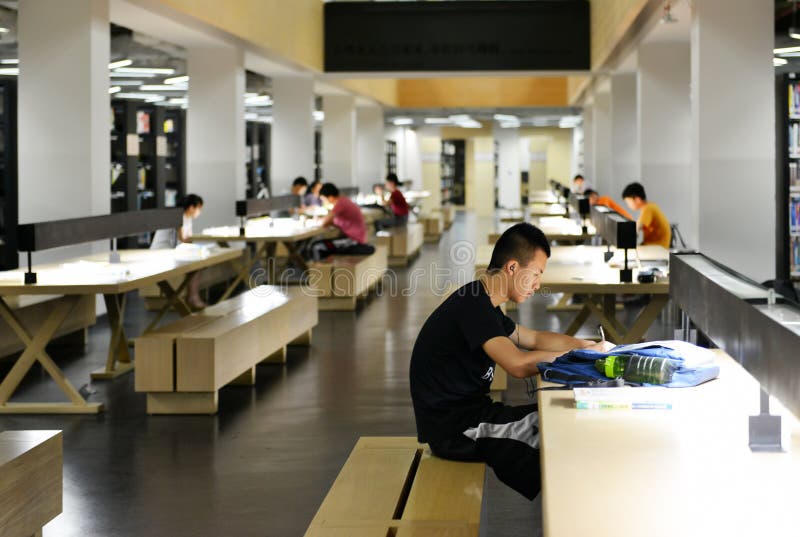

Students need access to physical and digital learning resources that support independent study. Reviewers look at both types of resources and at how students are guided to use them.
Physical resources may include a library collection, study space and computing facilities. Digital resources include e-books, journals, learning platform content and open educational materials. The balance depends on the mode of delivery.
Evidence typically includes a description of available resources, access arrangements for distance students, and any recent student feedback on resource adequacy. Institutions that update collections in response to programme changes show active management.
Guidance matters as much as volume. Students should know how to find materials, request items and use library or digital services. Short orientation materials or platform guides help.
Adequate, well-signposted resources support both learning and the external review. They demonstrate that the institution has considered what students need to succeed beyond scheduled teaching.