


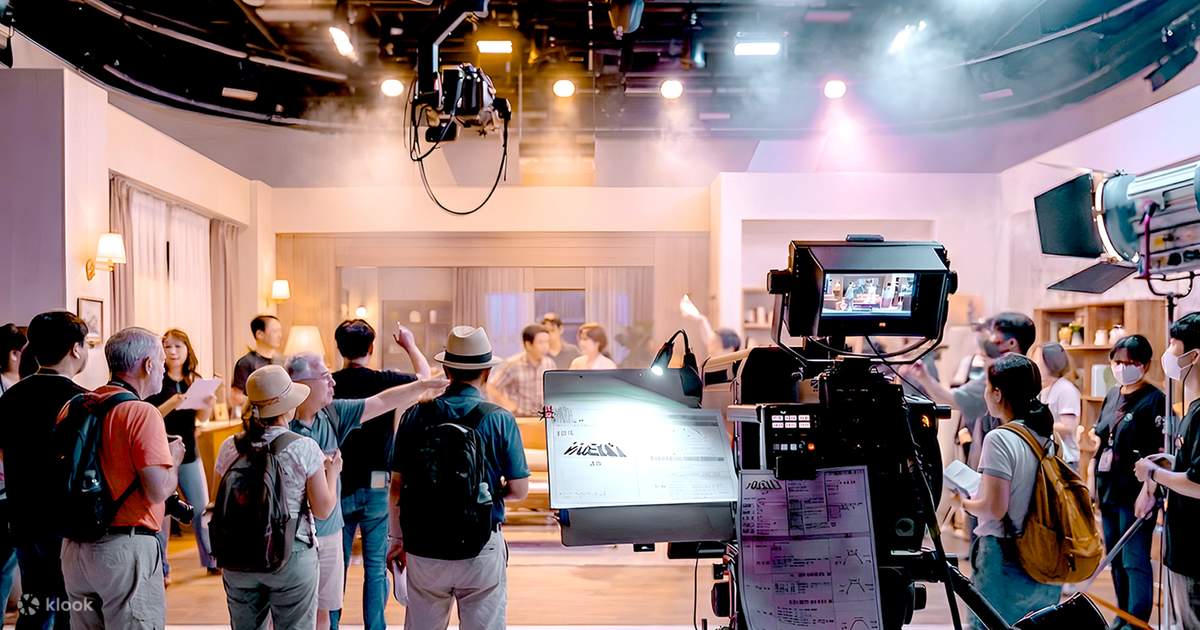

Korean and Thai television production relies on tight schedules and careful coordination of cast, crew and locations. These dramas often take several months to film, with episodes edited and broadcast while later episodes are still being shot.
Studios in Seoul and Bangkok host both traditional multi-camera setups and more cinematic single-camera work. Production teams manage everything from script revisions to costume continuity under time pressure. Many series now incorporate international locations or co-production elements to broaden appeal.
Streaming platforms have changed the economics. Some dramas are commissioned directly for global release, while others premiere on domestic television and then move to international services. This dual window affects how stories are paced and how many episodes are ordered.
Crews have grown more specialised. Dedicated teams handle visual effects, colour grading and international subtitling. Training programmes and industry associations support the supply of skilled technicians.
The production model that developed for domestic audiences has adapted to serve viewers in multiple countries, while retaining the efficient, high-volume approach that characterises much of the region’s television industry.