


When masked protesters set fire to the historic town hall in Limoges and looted shops across French cities on 17 October 2026, the immediate spark was months of student anger over crumbling classrooms, missing teachers and the sense that public services were failing a new generation. Yet the deeper fuel was economic. Rising energy prices, stagnant real incomes, youth unemployment and a government with little fiscal room to respond turned a local school blockade into national violence. The question now is whether similar pressures elsewhere in Europe could produce comparable unrest.
The energy shock that never fully faded
Europe entered 2026 still recovering from the post-Ukraine energy crisis when a new shock arrived: conflict in the Middle East that threatened shipping through the Strait of Hormuz and pushed oil and gas prices sharply higher. Gas prices rose roughly 140 percent and diesel prices roughly doubled from pre-crisis levels, according to industry and government estimates. Euro-area energy inflation reached nearly 19 percent by September. Headline inflation climbed to 3.8 percent that month — well above the European Central Bank’s 2 percent target — and is projected to average around 3 percent for the full year.
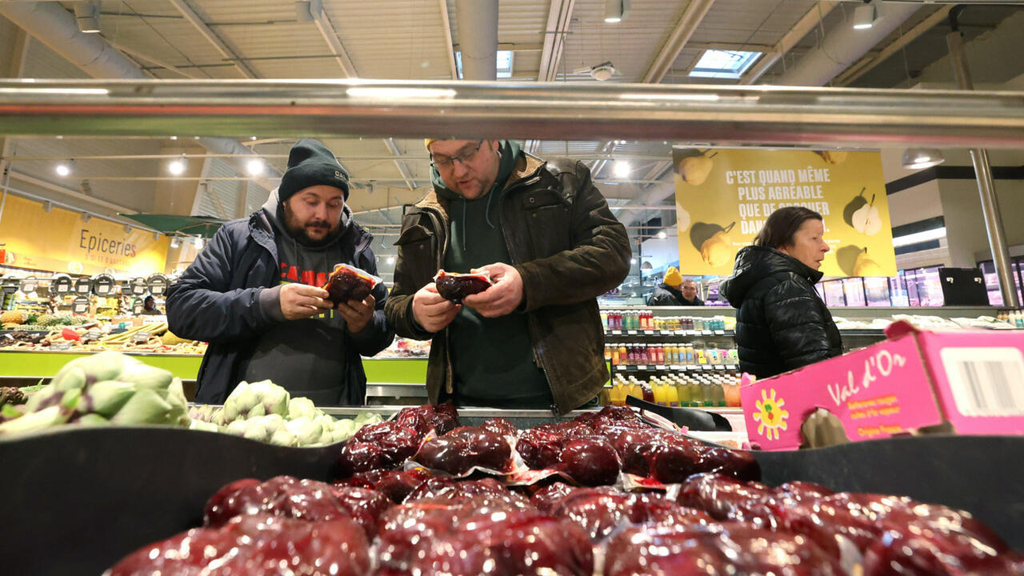
Higher energy costs have fed into food prices and household budgets across the euro area.
For households the pain is immediate. Lower-income families spend a larger share of their budgets on energy and food. In France, purchasing power per consumption unit is projected to fall 0.7 percent in 2026. Youth unemployment has climbed above 21 percent. Across the EU, tens of millions face energy poverty; in several southern and eastern countries a significant share of households ration heating. Food inflation, after easing earlier in the year, is expected to rise again as energy and weather effects feed through. A recent Eurobarometer survey found that more than half of Europeans list reasonable food prices as a top EU priority.
Growth too weak, debt too high
The euro-area economy has proved more resilient than many feared — quarterly growth of roughly 0.3 percent excluding Ireland — but the overall picture remains subdued. The IMF and European Commission both project eurozone GDP growth of about 1.1 percent in 2026, rising only modestly to 1.2–1.4 percent in 2027. France is an outlier on the weak side: growth is forecast at just 0.4 percent, with unemployment expected to rise toward 8.4 percent. Germany is somewhat stronger, Spain stronger still, but nowhere is the recovery robust enough to quickly rebuild household buffers.

The ECB has raised rates in response to the energy-driven inflation spike, tightening financial conditions further.
Public finances leave governments little room to cushion the blow. France’s debt stands near 116–119 percent of GDP and its deficit around 5 percent. After the weekend violence, French 10-year bond yields approached 5 percent — levels not seen in more than two decades — and the spread over German bonds widened to the highest since the eurozone debt crisis. Debt interest is projected to exceed combined spending on defence and education next year. Across the EU, debt ratios are rising and the IMF warns that three-quarters of European countries will need a mix of structural reforms and fiscal consolidation of roughly 3.5 percent of GDP over the medium term simply to keep debt sustainable, given ageing, defence and energy-transition costs.
From French flashpoint to European risk
The French protests began with concrete school grievances at Lycée Saint-Exupéry in Créteil — shortages of teachers and nurses, leaking roofs, extreme classroom temperatures — but quickly absorbed broader anger over the cost of living, fuel prices and the quality of public services. Student unions and the CGT trade union joined; Yellow Vest-era networks reappeared. Similar, though smaller and less violent, demonstrations occurred in Italy (Milan), Portugal, Spain, Belgium and Albania, often citing housing costs, education access or fuel prices. In each case the immediate trigger differed, but the economic backdrop was shared.
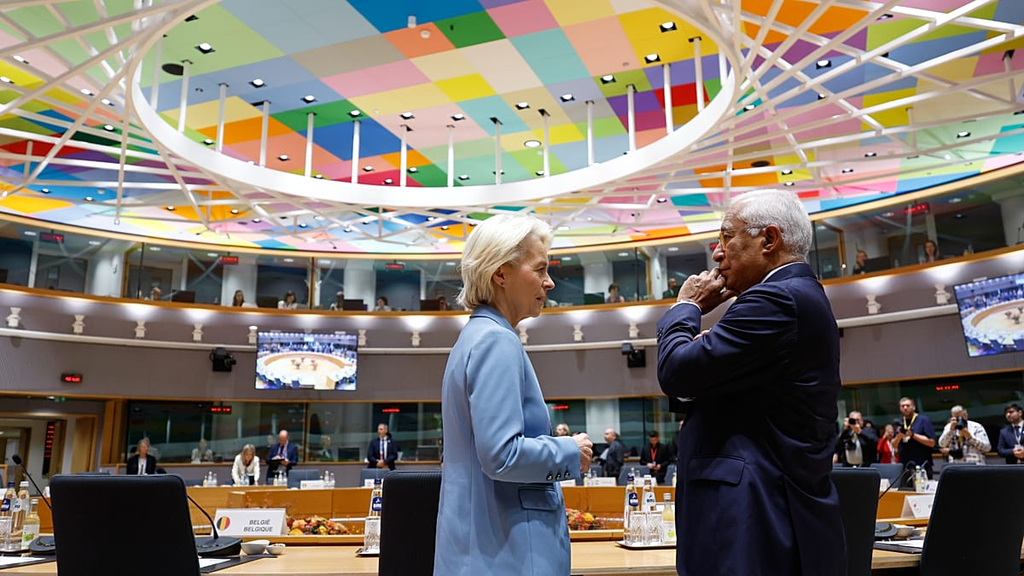
EU leaders at a recent summit grappling with high energy prices, budget disputes and support for households.
Is this Europe-wide? Not yet in the sense of coordinated, large-scale rioting. France’s combination of a highly mobilised student movement, residual Yellow Vest networks, extreme fiscal pressure and an approaching presidential election made it the most combustible. Elsewhere, protests have remained smaller and mostly peaceful. Yet the underlying conditions are continental: energy dependence, weak growth, high and rising debt in several large economies, real-income pressure, and elections or political instability in France, Germany, Spain and Italy. Far-right parties have already gained from fuel-price anger. Gas storage is low heading into winter; further price spikes remain possible. EU governments have spent roughly €18 billion this year on energy relief, but much of it is untargeted and fiscal space is narrowing.
Macron’s government has acknowledged intelligence and policing shortcomings and promised a stronger security presence for the next mobilisation. It has also sought additional diesel supplies from the Gulf. Across the Channel and the Rhine, other capitals are watching. The IMF and ECB stress resilience so far, yet both flag downside risks from prolonged energy shocks, financial-market tension and political paralysis. The French riots showed how quickly local service failures plus cost-of-living anger can escalate when governments lack the fiscal means to respond generously. Whether that pattern stays contained or spreads will depend on how quickly energy prices ease, whether growth can be lifted, and whether political systems can deliver credible answers before the next winter or the next election cycle.