spot_img
Home Blog Page 31

The Importance of Islamic Education: Faith and Knowledge

0
Importance of Islamic education

Islamic education plays a vital role in the lives of millions of Muslims around the world. It is not merely about acquiring knowledge; it encompasses the holistic development of an individual, integrating spiritual, moral, and intellectual growth. This article explores the significance of Importance of Islamic education, its foundational principles, and the modern approaches that are shaping the future of learning within the Muslim community.

Foundations of Islamic Education

Islamic education is grounded in the teachings of the Quran and the Sunnah (the practices of the Prophet Muhammad). These sources provide the framework for understanding not only religious obligations but also ethical and moral conduct. The primary goal of Islamic education is to strengthen faith in Allah while fostering values like justice, compassion, and integrity.

The curriculum covers the Quran, Hadith (sayings of the Prophet), Islamic jurisprudence (Fiqh), and history. These subjects deepen students’ understanding of their faith and help them apply Islamic principles in daily life. The importance of Islamic education is emphasized by learning Arabic, which is essential since it is the language of the Quran and a key medium for transmitting Islamic knowledge.

The Role of Islamic Education in Society

Islamic education serves several important functions within Muslim communities. Firstly, it fosters a sense of identity and belonging. By learning about their faith and history, students develop a deeper connection to their culture and heritage. This connection is crucial in a world where globalization can sometimes dilute cultural identities.

Secondly, Islamic education promotes social responsibility. Students are taught the importance of community service, charity (Zakat), and helping those in need. By instilling these values from a young age, Islamic education encourages the development of compassionate and responsible citizens who contribute positively to society.

Modern Approaches to Islamic Education

In recent years, there has been a shift in how Islamic education is approached. Traditional methods, which often relied heavily on rote memorization, are being complemented by more interactive and engaging teaching styles. This change is essential for keeping students interested and motivated in their studies.

Many institutions are now incorporating technology into their curriculum. Online courses, interactive learning platforms, and digital resources provide students with access to a wealth of knowledge beyond traditional textbooks. This approach not only enhances learning but also prepares students for the demands of the modern world.

Moreover, Islamic educational institutions are increasingly recognizing the need for interdisciplinary studies. By integrating subjects such as science, mathematics, and social studies with Islamic teachings, educators can provide a more comprehensive education that meets the needs of today’s learners. This holistic approach ensures that students are well-rounded individuals capable of navigating various aspects of life.

The Role of Institutions in Islamic Education

Educational institutions play a crucial role in shaping the future of Islamic education. They provide the necessary infrastructure, resources, and qualified educators to deliver quality education. Institutions like the American University of Business and Social Sciences (AUBSS) are at the forefront of this movement, offering programs that blend Islamic studies with contemporary subjects. The importance of Islamic education is exemplified through these efforts.

AUBSS focuses on developing critical thinking and analytical skills while maintaining a strong foundation in Islamic teachings. By providing a diverse curriculum that includes business, social sciences, and Islamic studies, AUBSS prepares students for successful careers while nurturing their faith and values.

The Future of Islamic Education

The future of Islamic education depends on its ability to adapt to societal changes while staying true to its core principles. As the world becomes more interconnected, the demand for ethical, educated leaders who understand both their faith and global challenges grows.

Modern teaching methods and interdisciplinary studies can help Islamic institutions produce well-rounded graduates. These individuals will not only have strong religious knowledge but also the skills to address contemporary issues. By maintaining this balance, Islamic education will continue to thrive and make a positive impact on society, further highlighting the importance of Islamic education.

Conclusion

Islamic education is a cornerstone of the Muslim community, providing individuals with the knowledge and values necessary to lead fulfilling lives. By nurturing faith, promoting social responsibility, and embracing modern educational practices, institutions can play a pivotal role in shaping the future of Islamic education.

As we look to the future, institutions like the American University of Business and Social Sciences (AUBSS) are leading the way in providing quality education that integrates Islamic teachings with contemporary knowledge. To learn more about their innovative programs and commitment to excellence, visit [www.aubss.edu.pl]. Through such efforts, we can ensure that the Importance of Islamic education continues to empower individuals and enrich communities for generations to come.


Latest Developments in AI: Transforming Industries & Education

0
latest developments in AI

Artificial Intelligence (AI) continues to reshape various sectors, driving innovation and enhancing efficiency across industries. Recent advancements highlight AI’s growing influence, from healthcare to finance, and its potential to revolutionize the educational landscape. As organizations and institutions adapt to this rapidly evolving technology, the implications for workforce development and academic training are profound.

AI in Healthcare: Revolutionizing Patient Care

AI is revolutionizing financial services by streamlining operations and reducing risks. For example, it plays a key role in algorithmic trading, fraud detection, and customer behavior analysis. Additionally, machine learning models help financial institutions predict market trends and make data-driven investment decisions.

Moreover, AI-powered chatbots enhance customer service by providing instant responses to inquiries. As a result, customers experience faster and more efficient support. Meanwhile, as AI continues to evolve, business and finance programs must adapt to keep up with industry demands. Pebble Hills University therefore integrates AI-focused courses into its curriculum, equipping students with the knowledge needed for careers in this rapidly changing field.

Enhancing Financial Services with AI

AI is revolutionizing financial services by streamlining operations and reducing risks. It plays a key role in algorithmic trading, fraud detection, and customer behavior analysis. Machine learning models help financial institutions predict market trends and make data-driven investment decisions.

AI-powered chatbots improve customer service by providing instant responses to inquiries. As AI advances, business and finance programs must adapt. Pebble Hills University integrates AI-focused courses into its curriculum, equipping students with the knowledge needed for careers in this evolving industry.

AI in Education: Personalizing Learning Experiences

AI is reshaping education by personalizing learning. AI-driven platforms analyze student performance, helping educators tailor instruction to individual needs. This approach makes complex concepts easier to understand and creates a more engaging learning environment.

AI also reduces administrative burdens for educators. Automated grading and performance tracking allow teachers to focus more on instruction. By embracing AI, institutions improve efficiency and enhance student outcomes.

At Pebble Hills University, innovative educational strategies are being employed to integrate AI into the learning experience. The university is committed to providing students with hands-on training in AI applications, ensuring they are well-prepared for the demands of the modern workforce.

Ethical Considerations and AI Governance

As AI technologies advance, ethical considerations surrounding their use have become paramount. Issues such as data privacy, algorithmic bias, and the potential for job displacement are critical topics of discussion among industry leaders and policymakers. Organizations are increasingly recognizing the need for robust AI governance frameworks to address these challenges and ensure the responsible deployment of AI technologies.

Educational institutions play a vital role in fostering ethical AI practices. By incorporating ethics into AI curricula, universities can produce graduates who are not only technically proficient but also socially responsible. Pebble Hills University is leading the charge in this area, emphasizing ethical considerations in its AI-related programs, preparing students to navigate the complexities of AI implementation in various sectors.

The Future of AI: A Collaborative Approach

Looking ahead, the future of AI is promising, with continued advancements expected to drive innovation across industries. Collaboration between academia, industry, and government will be essential in harnessing AI’s potential while addressing the ethical and practical challenges it presents.

As businesses seek talent equipped with AI skills, educational institutions must adapt their programs to meet these evolving demands. Pebble Hills University is dedicated to fostering partnerships with industry leaders, ensuring its curriculum remains relevant and aligned with market needs.

Conclusion: Embracing AI for a Brighter Future

The latest developments in AI signify a transformative era for industries and education alike. By embracing these technologies, organizations can improve efficiency, enhance customer experiences, and drive innovation. However, it is imperative to approach AI implementation thoughtfully, with a focus on ethics and responsibility.

Pebble Hills University stands at the forefront of this transformation, providing students with the knowledge and skills to excel in an AI-driven world. By integrating AI into its educational offerings, the university is ensuring that its graduates are not only prepared for the challenges ahead but are also capable of contributing positively to society.

As AI continues to evolve, the collaboration between educational institutions and industry will be crucial in shaping a future where technology serves to enhance human potential. To learn more about how Pebble Hills University is leading this charge, visit www.pebblehills.edu.pl and discover the programs designed to empower the next generation of innovators and leaders.

Supporting Those in Need through Education

0
supporting those in need through education

Education is a fundamental right that can transform lives, uplift communities, and foster a more equitable society. However, many individuals around the world still face barriers to accessing quality education. Supporting those in need through educational initiatives not only helps bridge this gap but also empowers individuals to achieve their full potential. Here are several strategies to consider when aiming to support vulnerable populations in their educational journeys.

1. Establish Scholarships and Financial Aid Programs

One of the most effective ways to support individuals in need is by providing scholarships or financial aid. Many deserving students are unable to pursue their education due to financial constraints. By establishing scholarship programs, organizations and institutions can help cover tuition fees, textbooks, and other educational expenses. This financial assistance can make a significant difference, allowing students to focus on their studies without the burden of financial stress.

2. Offer Mentorship Programs

Mentorship is a powerful tool for supporting students, especially those from disadvantaged backgrounds. By pairing students with mentors who can provide guidance, encouragement, and resources, organizations can help them navigate the complexities of their educational paths. Mentors can offer invaluable insights, share their experiences, and help students set and achieve their academic and career goals. This support can be particularly beneficial for first-generation college students or those lacking a robust support system.

3. Create Accessible Learning Resources

In today’s digital age, access to learning resources can significantly enhance educational opportunities. Organizations can support those in need by creating and providing free or low-cost learning materials, such as textbooks, online courses, and educational software. Additionally, ensuring that these resources are available in multiple formats and languages can help reach a wider audience. Collaborating with platforms like QAHE, which emphasizes quality education and accreditation, can further enhance the credibility and reach of such initiatives.

4. Engage in Community Outreach Programs

Community outreach programs play a crucial role in connecting with those in need. By actively engaging with communities, organizations can identify specific educational barriers and tailor their support accordingly. Workshops, tutoring sessions, and informational seminars can provide direct assistance and raise awareness about educational opportunities. These programs foster a sense of community and encourage individuals to take steps toward their educational goals.

5. Promote Lifelong Learning

Education should not stop after formal schooling. Promoting lifelong learning helps individuals continually improve their skills and knowledge, which is essential in today’s fast-paced world. Organizations can offer professional development courses, vocational training, and certification programs to support ongoing education. This approach not only benefits individuals but also strengthens the workforce and contributes to economic growth.

6. Advocate for Policy Changes

Supporting those in need through education also involves advocating for policy changes that promote equitable access to quality education. Collaborating with local, national, and international organizations can amplify voices calling for educational reforms. By raising awareness about the importance of inclusive education and equitable funding, advocates can help create a more supportive environment for those in need.

7. Leverage Technology for Education

Technology has the potential to revolutionize education, particularly for underserved populations. Online learning platforms can provide flexible and accessible educational opportunities. By partnering with organizations that specialize in educational technology, like QAHE, institutions can expand their reach and offer high-quality educational resources to those who may not have access to traditional learning environments. QAHE’s focus on accreditation and quality assurance ensures that the educational programs offered meet high standards, benefiting students and institutions alike.

Conclusion

Supporting those in need through education is a multifaceted endeavor that requires the collaboration of individuals, organizations, and communities. By implementing strategies such as scholarships, mentorship programs, and accessible learning resources, we can make a meaningful impact on the lives of those who face educational barriers.

In this effort, leveraging partnerships with reputable organizations like the International Association for Quality Assurance in Pre-Tertiary and Higher Education (QAHE) can enhance the quality and reach of educational initiatives. Together, we can create an inclusive educational landscape that empowers individuals and transforms communities, paving the way for a brighter future for all.

For more information on how to get involved and support quality education initiatives, visit www.qahe.org.

Stock Markets Compared: HK, London, Shanghai & NY

0

The stock market serves as a critical barometer for the health of an economy, reflecting investor sentiment and economic performance. Four of the world’s most significant stock markets—Hong Kong, London, Shanghai, and New York—each possess unique characteristics, strengths, and challenges. Understanding these differences can provide valuable insights for investors and policymakers alike.

The Hong Kong Stock Market

Hong Kong’s stock market, primarily represented by the Hong Kong Stock Exchange (HKEX), is one of the largest in Asia and serves as a vital gateway for international investors looking to access the Chinese market. Established in 1891, the HKEX has grown to become a crucial platform for companies seeking to raise capital, with many Chinese firms choosing to list in Hong Kong to benefit from its global reputation.

One of the defining features of the Hong Kong stock market is its focus on technology and finance. With major companies like Tencent, Alibaba, and HSBC listed, the exchange is heavily influenced by the technology sector’s rapid growth. Moreover, the HKEX has made significant strides in attracting foreign investment through various initiatives, such as the Stock Connect program, which allows international investors to trade Chinese stocks directly.

However, the Hong Kong market faces challenges, including political instability and regulatory scrutiny. Protests and uncertainties surrounding the “one country, two systems” principle have raised concerns among investors, leading to volatility. Despite these challenges, Hong Kong remains a critical hub for capital flow into China and continues to attract global interest.

The London Stock Market

The London Stock Exchange (LSE) is one of the oldest and most prestigious stock exchanges globally, dating back to the 17th century. It is known for its diverse range of listed companies, including multinational corporations and small-cap companies. The LSE is distinguished by its strong regulatory framework and emphasis on corporate governance, which enhances investor confidence.

One of the key advantages of the London stock market is its international orientation. Many foreign companies choose to list on the LSE to access capital and gain visibility. The exchange is also known for its extensive range of financial products, including equities, bonds, and derivatives, making it an attractive destination for a variety of investors.

However, the London market has faced challenges in recent years, particularly following Brexit. The uncertainty surrounding the United Kingdom’s departure from the European Union has prompted concerns about the future of the LSE as a leading financial center. Additionally, competition from other global markets, particularly in Europe and Asia, poses a threat to its dominance.

The Shanghai Stock Market

The Shanghai Stock Exchange (SSE) is one of the largest stock markets in Asia and plays a pivotal role in China’s economic landscape. Established in 1990, the SSE has rapidly evolved to become a vital platform for capital raising and investment in the world’s second-largest economy. The exchange primarily lists state-owned enterprises and sectors critical to the Chinese economy, including energy, finance, and technology.

One of the notable features of the Shanghai stock market is its unique structure. The SSE operates two types of shares: A-shares, which are denominated in renminbi and primarily available to domestic investors, and B-shares, which are available to foreign investors. This dual-share structure reflects China’s cautious approach to opening its financial markets to the world.

While the Shanghai stock market has experienced significant growth, it is not without its challenges. The market is often characterized by high volatility and speculative trading behavior, driven by retail investors. Regulatory interventions to curb excessive speculation can lead to abrupt market shifts. Furthermore, geopolitical tensions and trade disputes can impact investor sentiment and market performance.

The New York Stock Market

The New York Stock Exchange (NYSE) and the Nasdaq are the two major stock exchanges in the United States, making New York a global financial hub. The NYSE, founded in 1792, operates under a hybrid model, combining traditional floor trading with electronic trading. In contrast, the Nasdaq is fully electronic and is known for its focus on technology and growth-oriented companies.

The New York stock market is characterized by its size and influence. It is home to some of the world’s largest and most well-known corporations, including Apple, Amazon, and Microsoft. The U.S. stock market is highly liquid, with millions of shares traded daily, attracting both domestic and international investors.

One of the key strengths of the New York market is its regulatory framework, overseen by the Securities and Exchange Commission (SEC). This regulatory environment fosters transparency and investor confidence. Additionally, the U.S. dollar’s status as the world’s primary reserve currency enhances the appeal of the New York stock market for global investors.

However, the New York market is also subject to challenges, including economic fluctuations and geopolitical risks. The ongoing impact of the COVID-19 pandemic, inflation concerns, and potential interest rate hikes can create uncertainty for investors. Moreover, the rise of alternative trading platforms and the increasing popularity of decentralized finance (DeFi) may disrupt traditional market dynamics.

Conclusion

The stock markets in Hong Kong, London, Shanghai, and New York play crucial roles in global finance. Hong Kong connects international investors to China. London offers a rich history and strong international appeal. Shanghai showcases China’s rapid economic growth. New York dominates as a global financial hub.

Each market has unique characteristics and challenges. Understanding them helps investors make informed decisions. As these markets evolve, they will continue shaping the future of finance and investment.

Understanding Global Financial and Economic Depression

0
global financial and economic depression

The global financial and economic depression is a phenomenon that has profound implications for societies worldwide. Characterized by severe downturns in economic activity, widespread unemployment, and a significant decline in consumer spending, depressions can reshape economies and alter the social fabric of nations. Understanding the causes, effects, and potential solutions to this complex issue is essential for policymakers, businesses, and individuals alike.

Historical Context

Historically, the most notable example of a global depression is the Great Depression of the 1930s. Triggered by the stock market crash of 1929, it led to a decade-long economic downturn that affected countries around the world. Unemployment rates soared, banks failed, and international trade plummeted. The Great Depression prompted governments to rethink economic policies, leading to the establishment of safety nets and regulations that aimed to prevent such a crisis from happening again.

In recent years, the world has faced economic challenges reminiscent of the Great Depression. The 2008 financial crisis, which was sparked by the collapse of the housing market in the United States, led to a global recession. While recovery efforts have been made, many countries have struggled to achieve stable economic growth, leaving them vulnerable to further downturns.

Causes of Economic Depression

Economic depressions can arise from a combination of factors. One of the primary drivers is a significant disruption in financial markets, which can lead to a loss of confidence among consumers and investors. When banks fail or financial institutions become unstable, credit availability diminishes, making it difficult for businesses to operate and expand. This situation often results in layoffs and increased unemployment.

Additionally, external shocks—such as natural disasters, geopolitical tensions, or pandemics—can exacerbate existing economic vulnerabilities. The COVID-19 pandemic is a recent example that disrupted global supply chains, led to widespread business closures, and caused unprecedented job losses. Such shocks can create a ripple effect, causing declines in consumer spending and investment, which are crucial for economic growth.

Effects on Society

The impacts of an economic depression extend beyond financial metrics. Unemployment leads to increased poverty rates, as families struggle to meet basic needs. Social services become strained, and mental health issues can escalate due to the stress and uncertainty associated with economic hardship. Communities may experience heightened crime rates and social unrest as individuals grapple with the consequences of prolonged economic instability.

Moreover, economic depressions can exacerbate existing inequalities. Vulnerable populations, including low-income families and marginalized groups, often bear the brunt of economic downturns. Without adequate support systems in place, these individuals may face long-term challenges in recovering from the impacts of a depression.

Policy Responses and Solutions

Addressing the challenges of global financial and economic depression requires a multifaceted approach. Governments play a critical role in implementing policies that stimulate economic growth and provide support to those affected. Fiscal measures, such as increased public spending on infrastructure projects, can create jobs and boost demand. Additionally, monetary policies, including lowering interest rates and providing liquidity to financial institutions, can help stabilize markets and encourage lending.

International cooperation is also vital in navigating economic depressions. Global institutions, such as the International Monetary Fund (IMF) and the World Bank, can provide financial assistance to countries in need, facilitating recovery efforts. Collaborative approaches to trade and investment can also help countries rebound from economic downturns by fostering growth and stability.

The Path Forward

As the world faces ongoing financial and economic depressions, learning from past experiences is crucial. Developing strong economic frameworks that focus on resilience and sustainability can help reduce the impact of future downturns. Additionally, investing in education, healthcare, and social safety nets will create a more equitable society that can withstand economic shocks.

In conclusion, global financial and economic depression is a complex issue that demands collective action from governments, businesses, and individuals. By understanding its causes and effects and applying effective policy solutions, societies can move toward recovery and resilience. Lessons from past depressions can guide efforts to build a more stable and prosperous future. Moving forward, prioritizing cooperation, innovation, and inclusivity in economic strategies will ensure better preparedness for future challenges.

TESOL Certification: A Gateway to Global Opportunities in Language Education

0
TESOL certification

In today’s interconnected world, the demand for English language instruction has skyrocketed. As a result, obtaining a Teaching English to Speakers of Other Languages (TESOL) certification has become an invaluable asset for aspiring educators. This certification not only equips individuals with the skills necessary to teach English effectively but also opens doors to diverse career opportunities worldwide.

Understanding TESOL Certification

TESOL certification is designed for individuals who wish to teach English to non-native speakers, whether in their home country or abroad. The certification process typically includes coursework on language acquisition, teaching methodologies, and classroom management strategies. Most programs combine theoretical knowledge with practical teaching experience, ensuring that candidates are well-prepared for the classroom.

For those considering this path, institutions like the American University of Business and Social Sciences (AUBSS) offer comprehensive TESOL programs that provide a solid foundation for educators. With an emphasis on both theory and practice, AUBSS equips its graduates with the skills they need to excel in language instruction.

The Benefits of TESOL Certification

Global Career Opportunities

One of the most significant advantages of obtaining a TESOL certification is the global career opportunities it presents. Educators can find teaching positions in various countries, from Asia to Europe and beyond. Many regions, particularly in Asia, offer lucrative contracts for English teachers, making this a compelling career option.

AUBSS recognizes the increasing demand for qualified English teachers and provides programs that prepare educators to meet this need. Graduates from AUBSS are well-positioned to take advantage of international teaching opportunities, thanks to the robust training they receive.

Enhanced Teaching Skills

The coursework involved in TESOL certification equips educators with essential teaching skills. Participants learn about language structure, effective teaching methodologies, and how to engage students from diverse cultural backgrounds. This training is invaluable for fostering a positive learning environment.

At AUBSS, the focus on practical application ensures that students can implement what they learn in real-world teaching scenarios. This hands-on approach helps build confidence and competence in aspiring educators.

Networking Opportunities

Enrolling in a TESOL certification program also allows educators to connect with like-minded individuals, forming a network of professionals in the field. This network can be invaluable for sharing resources, job leads, and teaching strategies.

AUBSS fosters a collaborative learning environment, encouraging students to build relationships that can benefit their future careers. The connections made during the program can lead to opportunities and support throughout an educator’s journey.

Cultural Awareness

Teaching English to speakers of other languages often involves navigating different cultures. TESOL certification programs emphasize cultural sensitivity, preparing educators to interact effectively with students from diverse backgrounds. Understanding cultural nuances enhances the learning experience for both teachers and students.

AUBSS’s commitment to cultural awareness is reflected in its curriculum, which prepares educators to be not only effective teachers but also empathetic and culturally competent professionals.

Further Studies in TESOL

For those looking to deepen their knowledge and skills in language education, the journey does not have to end with TESOL certification. There are several advanced study options available, including master’s degrees and specialized certifications. Pursuing a master’s degree in TESOL or applied linguistics allows educators to explore language acquisition theories and advanced teaching methodologies.

AUBSS offers robust programs that prepare graduates for higher-level positions in language education. By continuing their studies, educators can enhance their career prospects and expand their teaching capabilities.

The Future of TESOL Professionals

As globalization continues to shape the demand for English language instruction, TESOL professionals will be at the forefront of education. The skills acquired through TESOL certification and further studies will be invaluable in navigating the evolving landscape of language teaching.

Professionals equipped with a TESOL certification and advanced degrees will find themselves well-positioned in a competitive job market. Whether teaching in a classroom, developing language curricula, or conducting research, the possibilities are extensive and rewarding.

Conclusion

TESOL certification is more than just a credential; it is a key that unlocks a world of opportunities in language education. With the potential for global career prospects, enhanced teaching skills, and the chance to make a significant impact on students’ lives, pursuing this certification is a wise investment. Institutions like the American University of Business and Social Sciences (AUBSS) offer quality programs that can elevate educators’ careers to new heights.

Embrace the journey of language education through TESOL certification and explore the wealth of opportunities that await. Whether you are just beginning your teaching career or looking to advance, the path to success in TESOL starts with a commitment to lifelong learning and professional development at AUBSS, a leading institution in the field. Visit www.aubss.edu.pl to learn more about their TESOL programs and take the first step toward a rewarding career in language education.

The Challenges of Achieving Accreditation in Education

0

Accreditation is a critical process that educational institutions undergo to validate their quality and standards. While it serves as a mark of excellence, the journey to obtain accreditation can be daunting and complex. Understanding why achieving accreditation in education is so challenging can shed light on the importance of organizations like the International Association for Quality Assurance in Pre-Tertiary & Higher Education (QAHE), which supports institutions in navigating these hurdles.

The Complexity of Standards

One of the primary reasons achieving accreditation in education is difficult to achieve is the complexity and variability of standards. Each accrediting body has its own criteria, often tailored to specific educational sectors, such as higher education, K-12, or vocational training. These standards can encompass a wide range of factors, including curriculum quality, faculty qualifications, institutional governance, and student services. Institutions must meticulously align their practices with these diverse standards, which can vary significantly from one agency to another.

QAHE recognizes these challenges and offers tailored support to educational institutions. Their comprehensive resources help institutions understand and meet the specific standards required for accreditation. By providing guidelines and best practices, QAHE helps streamline the accreditation process, making achieving accreditation in education more accessible for institutions striving for quality assurance.

Resource Intensity

Achieving accreditation often requires substantial resources, both financial and human. Institutions must invest in qualified staff, strong programs, and detailed documentation to meet accreditation standards. This demand strains budgets, especially for smaller institutions with limited funding.

QAHE addresses this issue by offering various accreditation services and support systems designed to assist institutions with limited resources. Their expertise in accreditation can help optimize resource allocation, ensuring that institutions focus their efforts where they will have the most impact. This guidance can make a significant difference in achieving accreditation in education for institutions.

The Importance of Self-Assessment

A crucial component of the accreditation process is self-assessment. Institutions are required to conduct thorough evaluations of their programs and practices to identify areas for improvement. This introspective approach can be challenging, as it requires honesty and a willingness to confront shortcomings. Many institutions may struggle with this step, fearing that revealing weaknesses could jeopardize their chances of accreditation.

QAHE emphasizes the importance of a constructive self-assessment process. By encouraging institutions to view self-assessment as an opportunity for growth rather than a punitive measure, QAHE fosters a culture of continuous improvement. Their support helps institutions develop effective self-assessment strategies that enhance their chances of achieving accreditation in education.

Time Constraints

The accreditation process is typically lengthy, often taking several months or even years to complete. This extended timeline can be daunting for institutions, as they must maintain their operational standards while simultaneously preparing for accreditation. The pressure to balance daily responsibilities with the demands of the accreditation process can lead to frustration and, at times, burnout among staff.

QAHE understands the time constraints institutions face and offers streamlined processes that can reduce the burden of accreditation. Their guidance and resources can help institutions efficiently manage the accreditation timeline, allowing them to focus on both their educational mission and the accreditation requirements. This approach is crucial for achieving accreditation in education more efficiently.

Navigating the Landscape

Finally, the educational accreditation landscape can be confusing, with numerous agencies and varying standards. Institutions may find it challenging to determine which accrediting body aligns best with their mission and goals. This uncertainty can lead to missteps and wasted efforts in the accreditation journey.

QAHE plays a vital role in helping institutions navigate this complex landscape. Their extensive network and partnerships with various accrediting agencies provide valuable insights, allowing institutions to make informed decisions about their accreditation pathways. By simplifying the process, QAHE empowers institutions to pursue achieving accreditation in education with confidence.

Conclusion

While the road to accreditation is fraught with challenges, organizations like QAHE are dedicated to supporting educational institutions in overcoming these obstacles. By providing resources, guidance, and expertise, QAHE helps institutions not only meet accreditation standards but also foster a culture of quality and excellence. For any institution seeking to embark on achieving accreditation in education, exploring the services offered by QAHE at www.qahe.org can be a transformative step toward achieving their educational goals. With the right support, accreditation can become a pathway to enhanced credibility and success in the competitive educational landscape.

Elevate Your Education with Pebble Hills University

0
Pebble Hills University

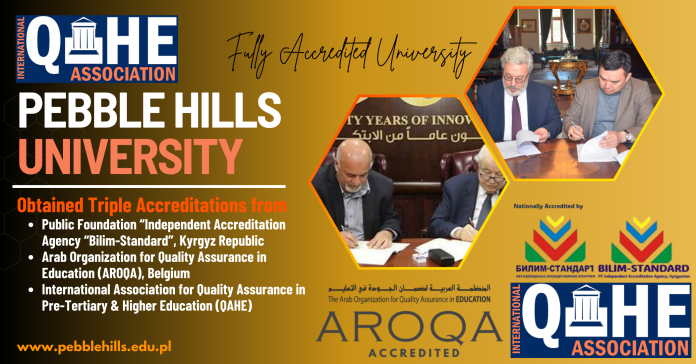
Pebble Hills University (PHU) is excited to highlight its full accreditation from the Public Foundation “Independent Accreditation Agency ‘Bilim-Standard’” in the Kyrgyz Republic, along with recognition from the International Association for Quality Assurance in Pre-Tertiary & Higher Education (QAHE) as well as its recognition by the Arab Organization for Quality Assurance in Education (AOQAHE). These accreditations affirm our dedication to providing high-quality, globally recognized education.

Why Choose Pebble Hills University?

Accredited Online Programs

Our diverse online programs are designed to meet various educational needs, ensuring a rigorous academic experience that prepares students for success in their careers. The endorsement from “Bilim-Standard” and AOQAHE underscores our commitment to maintaining high educational standards and enhances the credibility of our degrees.

Prestigious Honorary Doctorate and Professorship Awards

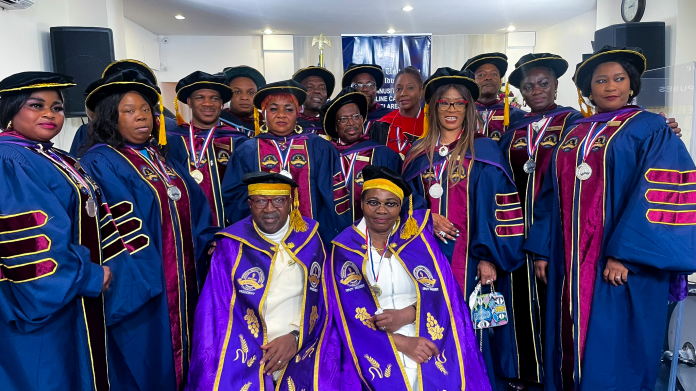
PHU also offers esteemed honorary doctorate and professorship awards, recognizing individuals who have made significant contributions to their fields. These accolades not only honor excellence but also encourage ongoing engagement and collaboration within academic and professional circles.

Commitment to Quality Assurance

The “Bilim-Standard” agency, recognized by the National Accreditation Council of the Ministry of Education and Science of the Kyrgyz Republic, focuses on enhancing the competitiveness of graduates through effective quality assurance systems. Additionally, our accreditation by QAHE further strengthens our commitment to quality in education, aligning our programs with international best practices.

Global and Regional Engagement

At PHU, we are dedicated to not only meeting local educational standards but also excelling on a global scale. The Arab Organization for Quality Assurance in Education plays a crucial role in ensuring that educational institutions adhere to high-quality standards across the Arab region. Our affiliation with QAHE enables us to participate in discussions and initiatives aimed at improving educational quality, further enriching the learning experience for our students.

Join Us Today!

Whether you are looking to advance your career through our accredited online programs or earn a prestigious honorary title, Pebble Hills University is here to support your journey. With our strong emphasis on quality assurance and global engagement, we empower you to achieve your academic and professional aspirations.

Explore our offerings today at Pebble Hills University and take the first step toward a brighter future!

Dual Accreditation Enhances Quality Assurance in Education

0
dual accreditation in education

In a significant move to bolster educational standards, the International Association for Quality Assurance in Pre-Tertiary & Higher Education (QAHE) and the Arab Organization for Quality Assurance in Education (AROQA) have announced a dual accreditation arrangement aimed at enhancing the quality of education in institutions worldwide. This partnership provides comprehensive support to educational institutions seeking accreditation and ensures they meet rigorous international standards.

Strengthening Educational Standards

QAHE and AROQA work together to guide educational institutions through accreditation. Their partnership streamlines the process and ensures institutions meet high-quality benchmarks.

Dr. Talal Abu-Ghazaleh founded AROQA, which upholds rigorous accreditation standards across the Arab region. QAHE contributes global expertise, reinforcing its commitment to quality education. Meanwhile, QAHE brings a wealth of experience and a global perspective to the accreditation landscape, reinforcing the commitment to quality education.

Significance of the Partnership

This dual accreditation arrangement helps maintain educational standards and boosts the credibility of accredited institutions. QAHE and AROQA align their criteria and processes, giving institutions a strong framework to compete locally and internationally.

The collaboration encourages institutions to share knowledge and best practices, driving continuous improvement. With access to a wider network of resources and expertise, institutions can improve their operations and educational outcomes.

Commitment to Quality Improvement

Both QAHE and AROQA are dedicated to supporting institutions beyond the accreditation process. Their joint efforts include capacity-building programs, workshops, and consultancy services aimed at helping educational entities develop quality departments and improve their overall performance. This commitment to ongoing improvement is vital in an ever-evolving educational landscape.

As part of this partnership, institutions are encouraged to participate in conferences and contribute to academic journals, thereby promoting collaboration and innovation in education. The dual accreditation arrangement stands as a testament to the organizations’ shared vision of elevating educational quality and accessibility.

Looking Ahead

With the establishment of this dual accreditation arrangement, both QAHE and AROQA are excited about the future of education. By working together, they aim to create a more equitable and high-quality educational environment for students around the world.

For more information about QAHE and AROQA, and to learn how your institution can benefit from this dual accreditation partnership, please visit www.qahe.org and www.aroqa.org.

Anointed University Ministries Achieves ISO 29995:2021 Certification from AQS, UK

0
ISO 29995:2021 certification

Anointed University Ministries has proudly announced its successful attainment of the ISO 29995:2021 certification for Education and Learning Services from AQS, UK. This significant achievement reflects the institution’s unwavering commitment to delivering high-quality educational experiences tailored to meet the diverse needs of its learners.

The ISO 29995:2021 standard aims to improve the quality of learning services provided outside formal educational frameworks. It establishes rigorous criteria that institutions must meet to ensure operational effectiveness and learner satisfaction. By achieving this certification, Anointed University Ministries demonstrates its dedication to upholding the highest standards in educational delivery, ensuring that its programs are both effective and responsive to the needs of its students.

The certification process involved a comprehensive evaluation of the university’s practices and systems, ensuring they align with the stringent requirements of the ISO standard. With the support of the International Association for Quality Assurance in Pre-Tertiary & Higher Education (QAHE), Anointed University Ministries has implemented a robust framework that not only meets regulatory requirements but also fosters continuous improvement in its educational offerings.

Achieving ISO 29995:2021 certification boosts Anointed University Ministries’ credibility in the educational sector. This accomplishment shows students, stakeholders, and the broader community that the institution is dedicated to educational excellence. It sets the university apart from its peers and empowers students with internationally recognized qualifications that support their academic and professional growth.

In today’s competitive educational landscape, institutions must continuously adapt to meet learners’ evolving needs. Anointed University Ministries has shown its commitment to quality by earning this certification, positioning itself as a leader in education. By adhering to international standards, the university ensures its courses and programs remain relevant and of high quality, benefiting both students and stakeholders.

ISO 29995:2021 is crucial for organizations offering education and training outside traditional settings. It focuses on the quality of learning experiences and the effectiveness of educational services, ensuring that students receive the support they need to succeed. For Anointed University Ministries, this certification highlights its continued efforts to create a learning environment that prioritizes student satisfaction and success.

Furthermore, the institution’s commitment to maintaining high standards is evident in its ongoing dedication to improvement. In fact, ISO 29995:2021 certification not only validates current practices but also establishes a framework for continuous evaluation and enhancement. As a result, this proactive approach ensures the university can effectively address challenges and seize opportunities, thus maintaining its status as a top provider of quality education.

Congratulations are in order for Anointed University Ministries for this outstanding achievement. Earning ISO 29995:2021 certification represents a key milestone that reinforces its commitment to educational excellence. As the institution continues fostering a culture of quality and improvement, it is well-positioned to make a lasting impact on the educational landscape.

In summary, Anointed University Ministries’ ISO 29995:2021 certification marks a significant step toward delivering high-quality education. This accomplishment not only boosts the university’s credibility but also reinforces its dedication to continuous improvement and excellence. As it moves forward, the institution will continue to focus on its students’ needs, ensuring they receive the best educational experience possible.

For more information about QAHE and its initiatives, please visit www.qahe.org.