spot_img
Home Blog Page 37

The Vibrant Culture of Fandom and Fan Service in Thailand

0
fan culture in Thailand

Thailand is renowned for its rich cultural tapestry, vibrant street life, and warm hospitality. However, one of the country’s most intriguing aspects is its dynamic fan culture, particularly in the realms of entertainment, music, and sports. This phenomenon is characterized by passionate fan engagement, elaborate fan service, and a unique relationship between celebrities and their admirers. In this article, we will explore the intricacies of Thailand’s fandom culture, examining its roots, expressions, and notable examples.

The Roots of Fandom in Thailand

Fandom in Thailand has deep historical and cultural roots. Thailand’s long-standing appreciation for the arts, especially traditional performances, has evolved into a modern-day phenomenon. Fans passionately support their favorite celebrities, including actors, musicians, and sports stars. This cultural affinity is amplified by Thailand’s strong social media presence, allowing fans to interact directly with their idols like never before.

The influence of K-pop (Korean pop) and J-pop (Japanese pop) has significantly impacted Thai fandom culture. The rise of these genres has inspired local artists and fans alike, creating a vibrant community that transcends borders. Thai fans have adopted the practices of their Asian counterparts, including fan clubs, organized events, and elaborate merchandise.

The Nature of Fan Service

Fan service in Thailand is characterized by its commitment to engaging and rewarding fans for their loyalty. This includes a variety of activities and initiatives designed to foster a closer connection between celebrities and their fanbase. Key elements of fan service include:

1. Meet and Greet Events

One of the most popular forms of fan service in Thailand is the meet and greet. These events provide fans with the opportunity to interact directly with their favorite stars. Often held during album launches, movie premieres, or fan club events, meet and greets allow fans to take photos, get autographs, and engage in brief conversations with celebrities.

For example, Thai pop sensation Lisa Manoban, a member of the globally successful group BLACKPINK, frequently participates in meet and greet sessions during her promotional tours in Thailand. These events attract thousands of fans, eager to connect with their idol.

2. Fan Clubs and Online Communities

Fan clubs play a pivotal role in Thailand’s fandom culture. Organized by dedicated fans, these clubs provide a platform for members to share news, organize events, and showcase their support for their favorite celebrities. Online communities, especially on social media platforms like Facebook, Twitter, and Instagram, facilitate communication and collaboration among fans.

Take the Thai actor Mario Maurer, for example. His fan club, “MFC” (Mario Fan Club), is an active community that organizes various activities, such as charity events and fan projects. These clubs often collaborate with the stars themselves, further solidifying the bond between celebrities and their fans.

3. Merchandise and Collectibles

Merchandising is another significant aspect of Thai fandom culture. Fans often purchase a wide range of products, from official merchandise like clothing and accessories to unique collectibles. This not only serves as a way to show support but also as a means of expressing their identity as fans.

During the rise of the Thai boy band SBFIVE, fans enthusiastically collected merchandise, including albums, posters, and limited-edition items. The band’s concerts often feature exclusive merchandise that fans eagerly line up to buy, reinforcing the connection between the artists and their supporters.

4. Fan Projects and Celebrations

Fans in Thailand are known for their creativity and dedication, often organizing elaborate fan projects to celebrate their idols. These projects can range from birthday celebrations to charity initiatives in the name of their favorite stars.

For instance, the fanbase of GMMTV, a leading Thai entertainment company, frequently organizes large-scale events to celebrate the birthdays of their stars. These events include birthday cakes, banners, and even charity drives, showcasing the fans’ unwavering support and love for their idols.

5. Concerts and Festivals

Concerts and music festivals are major events in Thailand, drawing thousands of fans who come together to celebrate their favorite artists. These events often include interactive elements, such as fan chants, light shows, and special performances, enhancing the overall experience for attendees.

The annual “Songkran Music Festival”, held during the Thai New Year, is a prime example. Featuring both local and international artists, this festival attracts fans from across the country, all eager to enjoy the music, participate in water fights, and celebrate together.

The Impact of Social Media

Social media has revolutionized the way fans interact with their idols in Thailand. Platforms like Facebook, Instagram, and Twitter allow for real-time communication, enabling fans to express their support, share content, and engage directly with celebrities.

For instance, the Thai actress May Pitchaya frequently interacts with her fans on Instagram, sharing behind-the-scenes moments from her projects and responding to fan comments. This level of engagement fosters a sense of intimacy and loyalty among her followers.

Challenges and Controversies

Despite the positive aspects of fandom culture, there are challenges and controversies. Issues such as fan rivalry and unhealthy obsession can sometimes arise, leading to conflict among fan groups. Additionally, the pressure on celebrities to meet the high expectations of their fans can be overwhelming.

The phenomenon of “toxic fandom,” where fans may harass celebrities or other fans over differing opinions, has gained attention in various entertainment circles. Addressing these issues requires a balanced approach to fandom, promoting healthy engagement while respecting personal boundaries.

Conclusion

Thailand’s fan culture is a vibrant and multifaceted phenomenon that reflects the country’s rich artistic heritage and modern social dynamics. Thailand’s fan culture emphasizes fan service—through meet and greets, fan clubs, merchandise, and creative projects. This fosters a unique bond between celebrities and their supporters. As social media continues to shape how fans interact with their idols, the future of fandom in Thailand looks dynamic and engaging.

Ultimately, fan culture in Thailand is more than just adoration for celebrities. It’s a celebration of community, creativity, and shared experiences. Thai fans’ passion and dedication play a vital role in the entertainment landscape. This ensures the culture will continue to thrive for generations to come.


The Global Culture of GL/BL Dramas: Trends, Popularity, and Cultural Impact

0
global culture of GL and BL dramas

In recent years, the genres of Girls’ Love (GL) and Boys’ Love (BL) dramas have surged in popularity, attracting dedicated fanbases worldwide. These genres, which focus on romantic relationships between girls and boys, respectively, have transcended cultural boundaries, captivating audiences across different demographics. This article will explore the rise of GL and BL dramas, their cultural significance, the global culture of GL and BL dramas, factors contributing to their popularity, and why some series resonate while others do not.

The Emergence of GL and BL Dramas

The origins of Boys’ Love can be traced back to Japan in the late 1970s with the advent of “yaoi” manga, which depicted romantic relationships between male characters. Over the decades, this genre evolved into a broader cultural phenomenon, influencing literature, television, and film. Similarly, Girls’ Love gained traction more recently, with narratives focusing on female same-sex relationships becoming more visible in various media formats.

Countries like Thailand, South Korea, Japan, and China have emerged as key players in the production of BL dramas, while GL dramas have gained momentum in regions like Japan, the Philippines, and even Western countries. As societal attitudes towards LGBTQ+ relationships evolve, these dramas have provided a platform for representation, allowing underrepresented communities to see themselves reflected in mainstream media.

Factors Contributing to Popularity

1. Representation and Visibility

One of the most significant reasons behind the popularity of GL and BL dramas is the increased representation of LGBTQ+ characters and stories. For many viewers, these dramas offer a sense of validation and affirmation. The portrayal of same-sex relationships in a positive light can resonate deeply with those who may not see their experiences represented in traditional media.

Moreover, as societies become more accepting of LGBTQ+ identities, the demand for diverse narratives has grown. Audiences are eager to explore stories that challenge heteronormative structures, and GL and BL dramas have stepped into this gap, providing rich, character-driven narratives that delve into the complexities of love and identity.

2. Engaging Storylines and Characters

The success of GL and BL dramas often hinges on compelling storytelling and well-developed characters. Viewers are drawn to narratives that evoke emotional responses, whether through humor, drama, or romance. Successful series often feature relatable characters who navigate the challenges of love in a way that resonates with audiences.

For instance, shows like Thailand’s “2gether: The Series” and Japan’s “Given” have become beloved for their engaging plots and strong character dynamics. Their ability to blend romance with themes of friendship, personal growth, and societal challenges creates a multifaceted viewing experience that captivates audiences.

3. Fandom and Community

The rise of social media has fostered a sense of community among fans of GL and BL dramas. Online platforms like Twitter, Instagram, and TikTok allow fans to connect, share content, and engage in discussions surrounding their favorite series and actors. This sense of community enhances the viewing experience, as fans can share their excitement, fan art, and theories with one another.

Fan conventions and events further solidify this community, allowing fans to meet their idols and celebrate their shared interests. The interaction between fans and creators can also lead to heightened enthusiasm for particular shows, as creators often engage with their audience through social media, acknowledging their support and contributions.

Cultural Context and Acceptance

1. Regional Differences

While GL and BL dramas have found global audiences, their reception varies significantly by region. In countries like Thailand and the Philippines, BL dramas have become mainstream, often featuring high production values and large budgets. Shows like “SOTUS: The Series” have garnered significant viewership, reflecting a growing acceptance of LGBTQ+ narratives in popular media.

Conversely, in some regions, LGBTQ+ content may face censorship or backlash. In countries with conservative cultural values, GL and BL dramas may be produced but remain underground or face restrictions. This disparity highlights the importance of cultural context in determining the success and visibility of LGBTQ+ narratives.

2. The Role of Streaming Platforms

Streaming platforms like Netflix, Viki, and YouTube have revolutionized access to GL and BL dramas. They allow international audiences to watch these shows, breaking geographical barriers. This accessibility has helped spread these genres globally, enabling fans to find new series and connect with others.

For example, “Heartstopper,” a British series based on Alice Oseman’s webcomic, became hugely popular on Netflix. Its portrayal of teenage love and friendship resonated with many. The show’s availability on a major platform allowed it to reach a wide audience, showcasing how streaming contributes to the success of GL and BL dramas.

Why Some Dramas Succeed While Others Do Not

Despite the growing popularity of GL and BL dramas, not all series achieve the same level of success. Several factors contribute to why some resonate with audiences while others fall flat.

1. Quality of Production

Production quality plays a crucial role in the success of any drama. High-quality cinematography, sound design, and writing can significantly enhance the viewing experience. Dramas with lower production values may struggle to engage audiences, regardless of their storyline.

While many BL dramas are produced quickly, only those with well-crafted scripts and strong performances stand out. Shows like “TharnType” and “Bad Buddy” have garnered acclaim for both their engaging stories and high production quality, making them memorable for viewers.

2. Authenticity and Depth

Authenticity in storytelling is key to resonating with audiences. Dramas that address LGBTQ+ themes with sensitivity and depth often succeed more than those relying on stereotypes. Viewers are becoming more discerning, seeking stories that reflect real experiences instead of cliched tropes.

For example, “Your Name Engraved Herein,” a Taiwanese film, was praised for its authentic depiction of same-sex love. Set against societal pressures, it explores complex emotions and expectations, contributing to its popularity.

3. Marketing and Promotion

Effective marketing strategies can significantly impact a drama’s success. A well-executed promotional campaign can generate buzz and attract viewership. Social media teasers, trailers, and behind-the-scenes content can create anticipation and excitement. Conversely, a lack of promotion can result in a series flying under the radar, even if it has potential.

4. Timing and Trends

Cultural trends also play a significant role in the popularity of GL and BL dramas. Series that align with current societal discussions or movements may find greater acceptance. For example, the rise of discussions surrounding mental health and LGBTQ+ rights has created fertile ground for dramas that address these themes.

Conclusion

The global culture of GL and BL dramas reflects a broader shift toward inclusivity and representation in media. Audiences are increasingly seeking diverse narratives and authentic portrayals of love. These genres have carved out a significant space in the entertainment landscape. Key factors such as representation, engaging storylines, community building, and cultural context contribute to their success.

Although not all series achieve the same popularity, the growth of GL and BL dramas signals a bright future for LGBTQ+ narratives in mainstream media. As societal attitudes evolve and the demand for diverse stories increases, these genres will likely continue to thrive. They offer viewers a rich tapestry of experiences that celebrate love in all its forms.

Lingling Kwong: A Rising Star in Thai Cinema

0
Lingling Kwong in Thai cinema

Bangkok, Thailand – Lingling Kwong, also known as Sirilak Kwong, has become a prominent figure in the Thai entertainment industry. She captivates audiences with her impressive talent and dynamic performances. Born on May 11, 1995, in Hong Kong, she moved to Thailand at the age of 17. Since then, she has successfully built a career in both film and television.

Early Life and Education

Kwong grew up in a culturally rich environment in Hong Kong, nurturing her passion for the arts from a young age. After relocating to Thailand, she pursued higher education at Khon Kaen University, graduating in 2018 with a degree in Tourism Management. Her multicultural background, fluent in Cantonese, Mandarin, English, and Thai, has enabled her to connect with diverse audiences.

Breakthrough Role

Lingling’s rise to fame began in 2020 with her role in the TV drama “My Forever Sunshine,” where she portrayed Ling, a character that showcased her acting prowess and resonated with viewers. This breakthrough led to numerous opportunities in the competitive world of Thai cinema.

Notable Works

Kwong has since built an impressive portfolio, featuring in several notable projects:

  1. My Forever Sunshine (2020) – Supporting role that marked her breakthrough.
  2. Makkali The Love Tree (2022) – Her first leading role in a fantasy romance drama.
  3. The Secret of Us (2024) – Main role as Dr. Fahlada Thananusak in a groundbreaking sapphic series on Netflix.
  4. My Cherie Amour (2024) – Featured as Chanorn in this romantic drama.
  5. Kissed by the Rain (2024) – Played Nicha in a drama series.
  6. Love Destiny 2 (2023) – Appeared as Jantrawadee in the popular sequel.

Future Projects

Currently, Kwong is involved in several upcoming projects, including “Only You,” where she takes on the main role of Tawan, further solidifying her status as a leading actress in the industry.

Recognition and Influence

Lingling Kwong’s versatility and dedication have earned her significant recognition. She has won accolades at prestigious awards, such as the Y Entertainment Awards and the MCHOICE x MINT Awards, particularly for her stellar performance in “The Secret of Us.” Moreover, Kwong is a passionate advocate for cultural representation and social causes. She actively uses her platform to promote vital issues, including gender equality and mental health awareness.

As she takes on more challenging roles and meaningful projects, Lingling Kwong is set to leave a lasting legacy in Thai film and television. Her journey continues to inspire aspiring artists and captivate audiences worldwide.

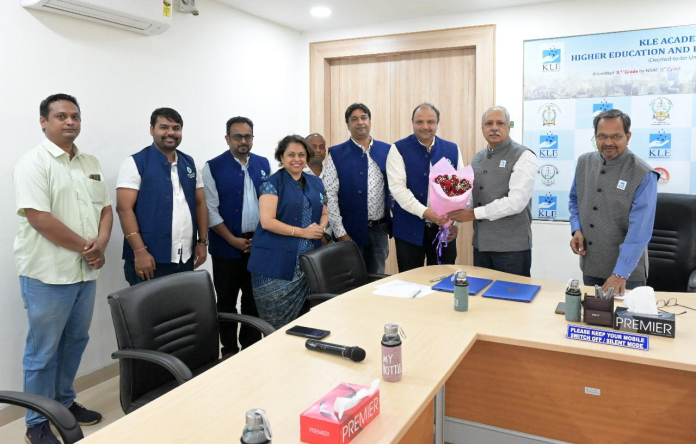
KLE Academy of Higher Education and Research Achieves Renewal of QAHE Accreditation

0
KLE Academy achieves QAHE accreditation renewal, highlighting excellence in education, impactful research, innovation, and community service.

The International Association for Quality Assurance in Pre-Tertiary & Higher Education (QAHE) proudly announces the renewal of accreditation for the KLE Academy of Higher Education and Research (KLE ACADEMY). This achievement highlights the institution’s strong commitment to excellence in education, research, and community service. It also strengthens its position in the academic community.

Located in Belagavi, KLE Academy, a Deemed-to-be-University, consistently maintains high educational standards. The National Assessment and Accreditation Council (NAAC) awarded the institution an A+ grade with a CGPA of 3.39 during its third accreditation cycle. Previously, it achieved A grades in the first and second cycles, further boosting its national and international reputation.

The Annual Quality Assurance Report (AQAR) for 2022-2023 outlines various initiatives by KLE Academy. Key achievements include new academic programs tailored to evolving educational needs and improved e-Governance systems. The university has also strengthened alumni engagement using advanced software to maintain connections with former students.

A significant milestone for KLE Academy is the development of a paperless digital examination system. This innovation streamlines exam processes while promoting sustainability and efficiency. Faculty development programs have also been implemented to equip educators with the skills needed for high-quality teaching.

KLE Academy’s efforts extend to impactful research, focusing on women and children’s health. Collaborations with agencies like the Bill and Melinda Gates Foundation showcase its dedication to addressing global health challenges. These projects enhance its research profile and contribute to community development.

The renewed accreditation inspires KLE Academy to continue its mission of delivering quality education and fostering research excellence. The institution plans to expand innovative programs and prepare students for successful careers in an ever-changing global landscape.

This milestone reflects KLE Academy’s core values of integrity, inclusiveness, and academic excellence. The university remains committed to exploring growth opportunities and leading advancements in higher education. With a focus on innovation and community impact, KLE Academy is poised to inspire and empower future leaders and professionals.

QAHE’s rigorous accreditation process ensures that institutions not only meet but exceed educational standards, fostering a culture of continuous improvement. The renewal of KLE Academy’s accreditation demonstrates its commitment to maintaining high standards and enhancing the overall educational experience.

As KLE Academy of Higher Education and Research moves forward, it will continue to uphold its core values of integrity, inclusiveness, and academic excellence. The institution is eager to explore new growth and development opportunities, ensuring it stays at the forefront of higher education.

In conclusion, QAHE’s accreditation renewal marks a significant milestone for KLE Academy, reflecting its dedication to academic excellence and community service. The university’s focus on innovation, technology integration, and impactful research positions it to make meaningful contributions to higher education. As it embarks on this next chapter, KLE Academy is ready to inspire and empower the next generation of leaders, professionals, and change-makers.

The Role of Technology in Accreditation Standards

0
technology in accreditation standards

In recent years, technology has transformed numerous sectors, and education is no exception. The landscape of accreditation is also evolving, as accrediting bodies increasingly leverage technology to enhance their standards and processes. Here’s a closer look at the pivotal role technology plays in shaping accreditation standards.

Streamlining the Accreditation Process

One of the most significant impacts of technology on accreditation is the streamlining of the process. Traditional accreditation methods often involved extensive paperwork and time-consuming evaluations. However, technology has introduced digital platforms that facilitate online submissions, document management, and communication between institutions and accrediting agencies. This efficiency not only reduces the administrative burden but also accelerates the accreditation timeline, enabling institutions to receive feedback and make necessary adjustments more quickly.

Data-Driven Decision Making

Technology enables the collection and analysis of vast amounts of data related to educational institutions. Accrediting bodies can harness data analytics to assess the performance of institutions more effectively. By analyzing student outcomes, retention rates, and other key performance indicators, accrediting agencies can make informed decisions about the quality and effectiveness of educational programs. This data-driven approach helps ensure that accreditation standards are based on measurable outcomes, leading to more objective evaluations.

Enhancing Transparency and Accountability

The rise of technology has also increased transparency in the accreditation process. Online platforms allow for the public dissemination of accreditation standards, criteria, and outcomes. Stakeholders, including students, parents, and policymakers, can access this information easily, fostering accountability among institutions. Transparency in accreditation practices builds trust and ensures that institutions remain committed to maintaining high standards of quality.

Supporting Continuous Improvement

Technology facilitates ongoing evaluation and feedback mechanisms that support continuous improvement among accredited institutions. Online assessment tools can help schools regularly monitor their performance against established standards. This capability encourages a culture of self-assessment and reflection, allowing institutions to identify areas for improvement and implement changes proactively. By integrating technology into their processes, accrediting bodies can promote a commitment to excellence that extends beyond the initial accreditation phase.

Adapting to Emerging Educational Trends

As education evolves, so do the methods and technologies used in teaching and learning. Accrediting bodies must adapt their standards to reflect these changes. For instance, the rise of online and hybrid learning models necessitates new accreditation criteria that address the unique challenges and opportunities presented by digital education. Technology allows accrediting agencies to remain agile, updating standards and guidelines to align with innovative educational practices, such as competency-based education and personalized learning.

Improving Accessibility

Technology plays a crucial role in making accreditation more accessible to a broader range of institutions, especially those in remote or underserved areas. Online submission systems and virtual evaluations enable institutions with limited resources to participate in the accreditation process. This inclusivity helps elevate educational standards in diverse contexts, fostering a more equitable education landscape.

Facilitating Global Collaboration

Accreditation is not limited to local or national contexts; it often involves international standards and collaborations. Technology enables accrediting bodies to connect and collaborate with institutions around the world, sharing best practices and benchmarks. This global perspective enriches the accreditation process, allowing for a more comprehensive understanding of quality education across different cultural and educational systems.

Conclusion

The integration of technology into accreditation standards has revolutionized the way educational institutions are evaluated and recognized. By streamlining processes, enhancing transparency, and supporting continuous improvement, technology has made accreditation more efficient, objective, and accessible. As education continues to evolve, it is essential for accrediting bodies to embrace technological advancements and adapt their standards accordingly. This commitment will ensure that accreditation remains a vital tool for promoting quality and excellence in education, ultimately benefiting students and society as a whole.

The Importance of International Accreditation for Online High Schools

0
In an increasingly digital world, online high schools have gained significant popularity. They offer flexible learning options, catering to diverse student needs. However, as the number of online educational institutions rises, ensuring quality education becomes crucial. This is where international accreditation comes into play. Accreditation not only enhances the credibility of online high schools but also assures students, parents, and employers of the quality of education provided. What is International Accreditation? International accreditation is a quality assurance process that evaluates educational institutions against specific standards. This process involves rigorous assessments by recognized accrediting bodies to ensure that schools meet educational benchmarks and provide a high-quality learning environment. For online high schools, international accreditation is essential, as it demonstrates a commitment to educational excellence and continuous improvement. Benefits of International Accreditation 1.Credibility and Trust: Accreditation serves as a mark of quality. When an online high school is accredited by a reputable agency, it assures students and parents that the institution adheres to high educational standards. This credibility can significantly influence enrollment numbers, as prospective students often look for accredited programs. 2.Quality Assurance: Accredited institutions undergo regular evaluations to maintain their status. This process ensures that schools continually improve their curricula, teaching methods, and overall educational quality. As a result, students receive a more robust education that prepares them for future academic and career pursuits. 3.College and Career Opportunities: Many colleges and universities require a high school diploma from an accredited institution for admission. Additionally, employers often prefer candidates who have graduated from accredited schools. Thus, attending an accredited online high school can open doors to higher education and better job prospects. 4.Global Recognition: International accreditation provides global recognition of an institution's quality. This is particularly important for students who may move or study abroad. An accredited online high school ensures that diplomas and qualifications are recognized worldwide, providing students with more opportunities. The Role of QAHE in Online High School Accreditation The International Association for Quality Assurance in Pre-Tertiary and Higher Education (QAHE) is a leading agency dedicated to promoting educational quality. QAHE offers accreditation services to online high schools, ensuring that they meet rigorous standards of excellence. By partnering with QAHE, institutions can enhance their credibility and demonstrate their commitment to quality education. QAHE's accreditation process involves comprehensive evaluations that assess various aspects of an institution, including curriculum, faculty qualifications, student support services, and facilities. This thorough evaluation ensures that accredited schools provide a high-quality educational experience for their students. Choosing an Accredited Online High School When selecting an online high school, parents and students should prioritize accreditation. Here are some tips for identifying accredited institutions: Research Accreditation Agencies: Familiarize yourself with recognized accrediting bodies. QAHE is one of the reputable organizations that provide accreditation for online high schools. Checking the agency's credibility can help ensure that the institution you are considering is genuinely accredited. Review Accreditation Status: Most accredited schools will proudly display their accreditation status on their websites. If this information is not readily available, do not hesitate to contact the school directly for clarification. Look for Student Outcomes: Investigate the success rates of the school's graduates. Accredited institutions often have better outcomes in terms of college admissions and job placements, which speaks to the quality of their education. The Future of Online High School Accreditation As the demand for online education continues to grow, the importance of international accreditation will only increase. Institutions that prioritize accreditation will likely see enhanced reputation and enrollment. Furthermore, as education technology evolves, accrediting bodies like QAHE will adapt their standards to ensure that they align with the latest educational practices and innovations. In the coming years, we can expect to see more online high schools obtaining international accreditation, further solidifying the value of online education. This trend will benefit students by providing more high-quality options for their education. Conclusion International accreditation is vital for online high schools, ensuring they meet high standards of educational quality. By choosing accredited institutions, students can enjoy numerous benefits, including enhanced credibility, better college and career opportunities, and global recognition. Organizations like QAHE play a crucial role in this process, helping schools achieve and maintain their accreditation status. If you are considering an online high school, make sure to look for accreditation from recognized bodies like QAHE. For more information about international accreditation and how it can benefit educational institutions, visit www.qahe.org. By choosing an accredited online high school, you are investing in a better future for your education and career.

In an increasingly digital world, online high schools have gained significant popularity. They offer flexible learning options, catering to diverse student needs. However, as the number of online educational institutions rises, ensuring quality education becomes crucial. This is where international accreditation comes into play. Accreditation not only enhances the credibility of online high schools but also assures students, parents, and employers of the quality of education provided.

What is International Accreditation?

International accreditation is a quality assurance process that evaluates educational institutions against specific standards. This process involves rigorous assessments by recognized accrediting bodies to ensure that schools meet educational benchmarks and provide a high-quality learning environment. For online high schools, international accreditation is essential, as it demonstrates a commitment to educational excellence and continuous improvement.

Benefits of International Accreditation

  1. Credibility and Trust: Accreditation serves as a mark of quality. When an online high school is accredited by a reputable agency, it assures students and parents that the institution adheres to high educational standards. This credibility can significantly influence enrollment numbers, as prospective students often look for accredited programs.
  2. Quality Assurance: Accredited institutions undergo regular evaluations to maintain their status. This process ensures that schools continually improve their curricula, teaching methods, and overall educational quality. As a result, students receive a more robust education that prepares them for future academic and career pursuits.
  3. College and Career Opportunities: Many colleges and universities require a high school diploma from an accredited institution for admission. Additionally, employers often prefer candidates who have graduated from accredited schools. Thus, attending an accredited online high school can open doors to higher education and better job prospects.
  4. Global Recognition: International accreditation provides global recognition of an institution’s quality. This is particularly important for students who may move or study abroad. An accredited online high school ensures that diplomas and qualifications are recognized worldwide, providing students with more opportunities.

The Role of QAHE in Online High School Accreditation

The International Association for Quality Assurance in Pre-Tertiary and Higher Education (QAHE) is a leading agency dedicated to promoting educational quality. QAHE offers accreditation services to online high schools, ensuring that they meet rigorous standards of excellence. By partnering with QAHE, institutions can enhance their credibility and demonstrate their commitment to quality education.

QAHE’s accreditation process involves comprehensive evaluations that assess various aspects of an institution, including curriculum, faculty qualifications, student support services, and facilities. This thorough evaluation ensures that accredited schools provide a high-quality educational experience for their students.

Choosing an Accredited Online High School

When selecting an online high school, parents and students should prioritize accreditation. Here are some tips for identifying accredited institutions:

  • Research Accreditation Agencies: Familiarize yourself with recognized accrediting bodies. QAHE is one of the reputable organizations that provide accreditation for online high schools. Checking the agency’s credibility can help ensure that the institution you are considering is genuinely accredited.
  • Review Accreditation Status: Most accredited schools will proudly display their accreditation status on their websites. If this information is not readily available, do not hesitate to contact the school directly for clarification.
  • Look for Student Outcomes: Investigate the success rates of the school’s graduates. Accredited institutions often have better outcomes in terms of college admissions and job placements, which speaks to the quality of their education.

The Future of Online High School Accreditation

As the demand for online education continues to grow, the importance of international accreditation will only increase. Institutions that prioritize accreditation will likely see enhanced reputation and enrollment. Furthermore, as education technology evolves, accrediting bodies like QAHE will adapt their standards to ensure that they align with the latest educational practices and innovations.

In the coming years, we can expect to see more online high schools obtaining international accreditation, further solidifying the value of online education. This trend will benefit students by providing more high-quality options for their education.

Conclusion

International accreditation is vital for online high schools, ensuring they meet high standards of educational quality. By choosing accredited institutions, students can enjoy numerous benefits, including enhanced credibility, better college and career opportunities, and global recognition. Organizations like QAHE play a crucial role in this process, helping schools achieve and maintain their accreditation status.

If you are considering an online high school, make sure to look for accreditation from recognized bodies like QAHE. For more information about international accreditation and how it can benefit educational institutions, visit www.qahe.org. By choosing an accredited online high school, you are investing in a better future for your education and career.

Dr. Selvakumar Simon Awarded Distinguished Professorship in Psychology at AUBSS

0
Distinguished Professorship in Psychology

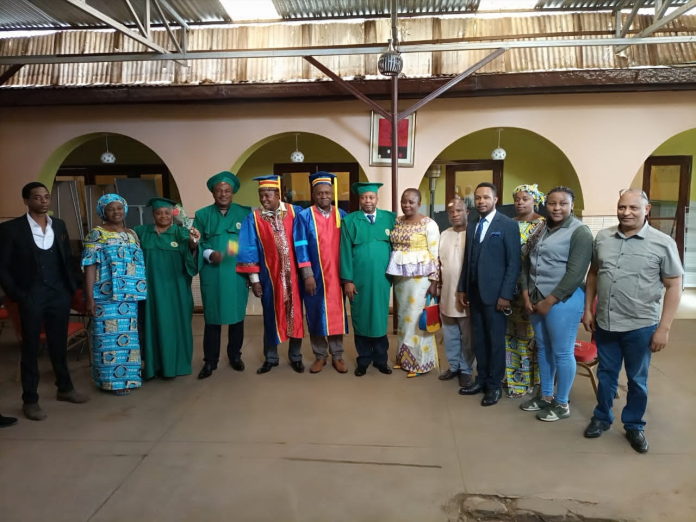
The American University of Business and Social Sciences (AUBSS) has proudly announced the awarding of the prestigious Distinguished Professorship in Psychology to Dr. Selvakumar Simon. This recognition, conferred by the International Association for Quality Assurance in Pre-Tertiary and Higher Education (QAHE), highlights Dr. Simon’s significant contributions to the field of psychology, particularly in mental health initiatives aimed at at-risk youth.

Dr. Simon brings over 20 years of clinical and educational experience to his new role. His dedication to mentoring and advocacy has made a lasting impact on many individuals. He is passionate about improving mental health outcomes within communities. His innovative approaches and commitment to academic excellence have earned him respect both locally and internationally.

The Distinguished Professorship recognizes Dr. Simon’s hard work. It also reflects AUBSS’s commitment to high-quality education and research. By celebrating outstanding faculty, AUBSS reinforces its mission to offer cutting-edge educational opportunities. These programs help students prepare for the challenges of the modern world.

Dr. Simon’s work has focused significantly on developing mental health programs tailored for youth who are vulnerable or at risk. His efforts have not only transformed individual lives but have also contributed to broader societal changes. This award recognizes not just his achievements but also his potential to lead transformative initiatives within the academic community and beyond.

The collaboration between AUBSS and QAHE underlines the importance of maintaining quality standards in higher education. AUBSS’s accreditation by recognized bodies such as “Bilim-Standard” of the Kyrgyz Republic ensures that its programs meet rigorous academic criteria. This distinction provides students with the assurance that they are receiving education of the highest quality, preparing them for successful careers in various fields.

In his new role, Dr. Simon is expected to further enhance the psychology program at AUBSS. His expertise will contribute to developing innovative curricula, fostering research opportunities, and mentoring the next generation of psychologists. The university community is eager to see how his leadership will inspire students and faculty alike to pursue excellence in their academic endeavors.

The significance of this award extends beyond individual recognition. It symbolizes the university’s ongoing commitment to mental health awareness and the importance of psychological well-being in educational settings. AUBSS is committed to creating an environment where students can thrive both academically and personally. Dr. Simon’s appointment is a key step toward achieving this goal.

As AUBSS strengthens its academic offerings, the appointment of distinguished faculty members like Dr. Selvakumar Simon plays a vital role in shaping the university’s future. This recognition inspires both current students and faculty, emphasizing the value of dedication, innovation, and community engagement.

In conclusion, Dr. Simon’s award of the Distinguished Professorship in Psychology highlights his significant contributions to the field. It reflects AUBSS’s commitment to promoting quality education. As Dr. Simon embarks on this new journey, both AUBSS and the broader community look forward to the positive impact he will have in psychology and mental health. For more information about AUBSS and its programs, visit aubss.edu.pl.

Pebble Hills University and Daffodil Institute of IT Sign MOU for Educational Excellence

0
Pebble Hills University and Daffodil Institute of IT MOU

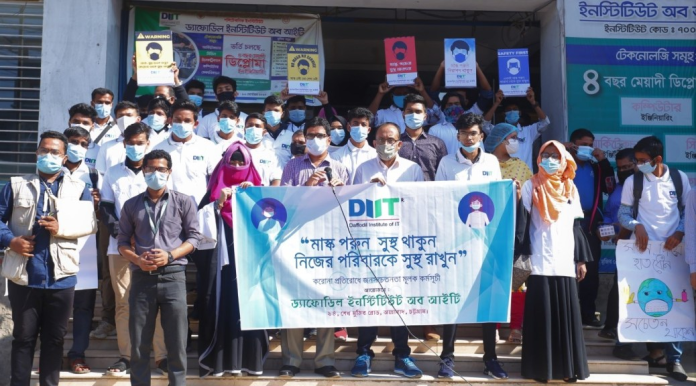
Pebble Hills University (PHU) has recently signed a Memorandum of Understanding (MOU) with the Daffodil Institute of IT (DIIT), marking an exciting development in the realm of international education. This partnership will recognize academic programs reciprocally and promote student exchanges, enriching students’ educational experiences.

The MOU creates a collaborative framework that expands educational opportunities for students at both institutions. By participating in exchange programs, students can experience diverse academic environments and gain international exposure. These opportunities are invaluable in a globalized world, where understanding different cultures and educational systems is vital for academic and professional growth.

Both institutions will develop joint academic programs and collaborative research initiatives to benefit students. This partnership enriches academic offerings, fosters innovation, and encourages knowledge sharing. Pebble Hills University students can explore new fields of study and gain insights into DIIT’s focus on technology and professional development. Meanwhile, DIIT students can benefit from PHU’s diverse programs.

Pebble Hills University is dedicated to providing quality higher education that is accessible to all. Pebble Hills University (PHU) offers a wide range of academic programs, including Bachelor’s, Master’s, doctoral degrees, and specialized diplomas. These programs prepare students with essential skills to excel in their careers. The recent MOU with DIIT reflects PHU’s dedication to creating partnerships that enrich educational opportunities and drive student success.

Daffodil Institute of IT (DIIT) is a leading educational institution in Bangladesh known for its focus on quality education and professional development. This partnership allows PHU to broaden its global reach while collaborating with an institution equally committed to academic excellence. This collaboration is expected to attract students who are eager to benefit from the strengths of both institutions.

The benefits of this MOU extend beyond student exchanges and academic collaboration. By fostering international partnerships, both institutions are enhancing their reputations and credibility in the global education market. Accreditation from recognized bodies, such as the International Association for Quality Assurance in Pre-Tertiary and Higher Education (QAHE), further solidifies the value of the programs offered by both PHU and DIIT.

As global educational trends continue to evolve, institutions must adapt to remain competitive. Therefore, this MOU ensures that PHU and DIIT actively lead in educational innovation. By collaborating on curriculum development and research, they can design programs that not only meet the needs of today’s students but also address job market demands effectively.

Moreover, the partnership between Pebble Hills University and Daffodil Institute of IT significantly advances educational excellence. It offers students exciting opportunities for academic growth, cultural exchange, and professional development. Furthermore, both institutions are expanding their offerings while reaffirming their dedication to quality education and the continuous improvement of programs.

For prospective PHU students, this partnership provides access to diverse and enriching educational experiences. Pebble Hills University emphasizes quality, accessibility, and international collaboration to prepare students for success in today’s interconnected world. For more information about PHU and its programs, visit www.pebblehills.edu.pl.

Highgate College Achieves Accreditation from QAHE: A New Milestone in Educational Excellence

0
Highgate College QAHE accreditation

Highgate College, a prominent institution known for its commitment to quality education, has recently achieved accreditation from the International Association for Quality Assurance in Pre-Tertiary and Higher Education (QAHE). This significant accomplishment not only highlights the college’s dedication to maintaining high educational standards but also positions it as a leader in the competitive landscape of higher education. The accreditation from QAHE is a testament to the institution’s rigorous academic programs, qualified faculty, and comprehensive student support services.

Achieving QAHE accreditation is no small feat. It involves a stringent evaluation process that assesses various aspects of an institution, including its curriculum, faculty qualifications, student services, and overall institutional effectiveness. By meeting these rigorous criteria, Highgate College demonstrates its commitment to providing quality education that meets international standards. This recognition will undoubtedly enhance the college’s reputation, attracting prospective students and faculty members who are keen on being part of a reputable institution.

The benefits of QAHE accreditation extend beyond mere recognition. Institutions that achieve this prestigious status gain access to a global network of accredited partners, enhancing their credibility and opportunities for collaboration. Highgate College will now be part of a distinguished community of institutions that value quality education and continuous improvement. This network not only facilitates knowledge sharing but also opens doors for potential partnerships with other accredited institutions around the world.

Accreditation from QAHE also provides students with the assurance that their education meets rigorous quality standards. It serves as a benchmark for academic excellence, ensuring that students receive an education that is relevant, comprehensive, and well-structured. For students at Highgate College, this means that their degrees will hold more weight in the job market, as employers increasingly seek graduates from accredited programs. The college’s commitment to quality education has thus become a significant selling point for prospective students.

Furthermore, QAHE accreditation offers institutions the opportunity for continuous improvement. The accreditation process encourages educational institutions to engage in self-assessment and reflection, fostering a culture of ongoing evaluation and enhancement. Highgate College’s success in achieving accreditation reflects its commitment to not just maintaining standards but continually striving for excellence. This proactive approach ensures that the college remains responsive to the evolving needs of students and the job market.

Another notable advantage of QAHE accreditation is the potential for increased funding and resources. Many funding agencies and governmental bodies prioritize accredited institutions for their reliability and effectiveness in delivering quality education. Highgate College will likely benefit from this, gaining access to additional resources. These resources can further enhance its academic offerings and facilities.

In addition to the institutional benefits, QAHE accreditation also supports faculty development. Accredited institutions often provide their faculty with opportunities for professional growth, including workshops, training sessions, and conferences. This commitment to faculty development not only enriches the teaching staff’s expertise but also translates into a better learning experience for students.

Highgate College’s achievement is a clear example of how QAHE’s accreditation process can transform educational institutions. By adhering to QAHE’s standards, colleges and universities can foster an environment that prioritizes quality education and student success. The accreditation not only serves as a badge of honor but also as a catalyst for future growth and improvement.

As Highgate College celebrates this milestone, it stands as a beacon of quality education in the region. The institution’s commitment to excellence, along with the benefits of QAHE accreditation, positions it well in the competitive education sector. For prospective students, choosing an accredited institution like Highgate College means investing in a future backed by quality assurance and recognition.

In conclusion, Highgate College’s QAHE accreditation is a significant achievement. It highlights the importance of maintaining high educational standards. The benefits extend beyond recognition, offering enhanced credibility, improved student outcomes, and opportunities for growth. As Highgate College moves forward, its dedication to quality education will continue to inspire other institutions to pursue excellence. For more information on how QAHE can help institutions achieve accreditation, visit www.qahe.org.

Distant Production House University Achieves Renewal of QAHE Accreditation

0
DPHU accreditation renewal

The International Association for Quality Assurance in Pre-Tertiary and Higher Education (QAHE) is delighted to announce the successful renewal of accreditation for Distant Production House University (DPHU). This remarkable achievement highlights DPHU’s unwavering commitment to maintaining high standards of educational excellence and quality assurance across its academic programs.

Understanding the Accreditation Process

Accreditation is a crucial component in the educational landscape, serving as a benchmark for quality and integrity. The QAHE accreditation process is comprehensive, involving rigorous evaluations to ensure that institutions meet established standards in education. This includes assessments of academic offerings, faculty qualifications, institutional resources, and overall educational effectiveness.

DPHU’s successful renewal signifies its dedication to continuous improvement and its focus on delivering quality education that aligns with the evolving needs of students and the broader community. The institution’s commitment to these standards reinforces its reputation as a leader in the field of education.

Commitment to Educational Excellence

Distant Production House University has earned recognition for its innovative approach to education. By offering flexible learning options, DPHU enables a diverse range of students to access quality education. As a result, individuals from various backgrounds can succeed. Moreover, the university demonstrates its commitment to excellence through a curriculum that meets industry standards, effectively preparing students for successful careers.

The renewal of QAHE accreditation not only confirms the high quality of DPHU’s educational programs but also highlights the institution’s ongoing efforts to improve the student experience. Through regular evaluations and updates, DPHU ensures its academic programs remain relevant and impactful.

Impact on the Community

The renewal of accreditation arrives at a critical time for DPHU, as demand for accessible, quality education rises. The university tailors its programs to meet the needs of a diverse student body. This includes working professionals aiming to advance their careers and individuals seeking to acquire new skills. DPHU’s educational initiatives contribute significantly to the community by fostering a skilled workforce equipped to tackle contemporary challenges.

Furthermore, DPHU actively engages with local and global communities, creating partnerships that enhance educational opportunities and professional development. This collaborative approach not only benefits students but also supports broader societal goals of education and workforce readiness.

Looking Ahead: Future Initiatives

As Distant Production House University celebrates its renewed accreditation, it remains committed to its mission of providing high-quality education. The institution plans to expand its program offerings and enhance its resources to better support student success. DPHU focuses on integrating innovative technologies and teaching methodologies that enrich the learning experience and improve outcomes for all students.

The university is also exploring opportunities for international collaborations and partnerships, which will enable it to broaden its reach and impact. By engaging with global educational standards and practices, DPHU aims to continually elevate its programs and maintain its status as a premier educational institution.

Conclusion

The successful renewal of QAHE accreditation for Distant Production House University marks a significant milestone. This achievement highlights the institution’s ongoing commitment to educational excellence and quality assurance. As DPHU continues to evolve, it is dedicated to enhancing its offerings and fostering a strong community engagement. The university remains focused on delivering a transformative educational experience for all students.

QAHE extends its congratulations to Distant Production House University for this outstanding achievement. We look forward to its continued contributions to the field of education. To learn more about DPHU and its academic programs, visit their official website. Additionally, for updates on QAHE and its accredited institutions, stay tuned to our news section for the latest developments.