spot_img
Home Blog Page 51

QAHE Announces Strategic Partnership with IACTM Through Newly Signed MOU

0
QAHE and IACTM partnership

The International Association for Quality Assurance in Pre-Tertiary and Higher Education (QAHE) is thrilled to announce a significant new partnership with the International Association of Coaches, Therapists & Mentors (IACTM) following the signing of a Memorandum of Understanding (MOU) on November 8, 2024. This strategic collaboration aims to enhance mutual recognition, cooperation, and collaboration between the two organizations, ultimately enriching professional development opportunities across coaching, therapy, mentoring, and education sectors.

Framework of Cooperation

The newly established MOU lays a robust foundation for both QAHE and IACTM to pursue shared objectives and leverage each other’s resources effectively. By recognizing one another’s accreditation and certification processes, this partnership aims to bolster credibility and trust within their respective fields. The commitment to uphold high professional standards and ethical practices is at the heart of this collaboration, benefiting both organizations and their members.

A primary goal of this MOU is to facilitate academic and professional development. QAHE and IACTM plan to collaborate on creating various training programs, workshops, and resources for their members. By pooling their expertise, both organizations aim to provide enriched educational experiences. These will be responsive to the evolving needs of professionals in coaching, therapy, and mentoring.

Collaborative Training Initiatives

The MOU emphasizes the importance of joint training initiatives. Both QAHE and IACTM will engage in collaborative projects designed to promote ethical practices and uphold professional standards. These initiatives will significantly advance their fields and provide members with valuable resources and learning opportunities.

Moreover, the MOU includes provisions for cross-promotion of events, certifications, and resources. By leveraging various communication channels—including newsletters, websites, and social media platforms—QAHE and IACTM will promote each other’s offerings. This initiative aims to expand the reach of their programs and increase visibility within the professional community. It encourages more professionals to participate and advance their careers.

Enhancing Member Opportunities

As part of this partnership, IACTM will provide QAHE with access to its directory of accredited coaches, therapists, and mentors, fostering potential collaborations. In return, QAHE will share insights about IACTM’s accreditation services and professional development resources with its accredited institutions. This reciprocal exchange aims to improve the quality of services for both organizations. It ensures members have access to a wide range of professional development opportunities.

Additionally, QAHE will actively promote IACTM’s initiatives and events through its own communication channels. This effort will ensure members stay well-informed about the valuable resources available to them. Importantly, this collaboration also opens doors for IACTM members to participate in educational programs and training sessions offered by QAHE, enriching their professional development journeys.

To further support this partnership, QAHE will offer IACTM members discounts on its accreditation services and resources. This initiative not only eases the financial burden on IACTM members as they pursue their professional goals but also strengthens the collaborative ties between the two organizations.

Duration and Confidentiality

The MOU is set to last for two years, with the option for renewal upon mutual agreement. Both QAHE and IACTM have expressed their commitment to maintaining the confidentiality of any proprietary or sensitive information exchanged during this collaboration. This assurance ensures that both parties can engage in a trustworthy and secure partnership.

A Milestone in Collaboration

The signing of this MOU represents a significant milestone in the relationship between QAHE and IACTM. By working together, both organizations can elevate the quality of education and professional standards within their fields. This partnership will positively impact the coaching, therapy, and mentoring sectors. It aims to equip professionals with the tools and resources they need to succeed.

This collaboration aligns with QAHE’s mission to promote quality assurance in education. It also supports the professional development of educators and practitioners worldwide. Partnering with IACTM enhances QAHE’s commitment to ethical practices, transparency, and educational excellence.

Looking Ahead

Both organizations are excited about the potential of this partnership. They believe it will bring positive changes to their members and the broader community. The collaboration reflects a shared vision to enhance professional standards. It also creates growth opportunities for professionals in coaching, therapy, and mentoring.

As the educational landscape continues to evolve, QAHE and IACTM are dedicated to remaining at the forefront of these changes. Together, they will ensure that professionals receive the support and resources necessary to thrive in their careers.

Conclusion

The MOU between QAHE and IACTM highlights the power of collaboration in professional development and maintaining high standards. Both organizations are committed to fostering excellence and ethical practices, benefiting their members and communities.

Stay tuned for exciting initiatives and opportunities from this partnership. This collaboration marks a new chapter for QAHE and IACTM, and a promising future for professionals in coaching, therapy, and mentoring.
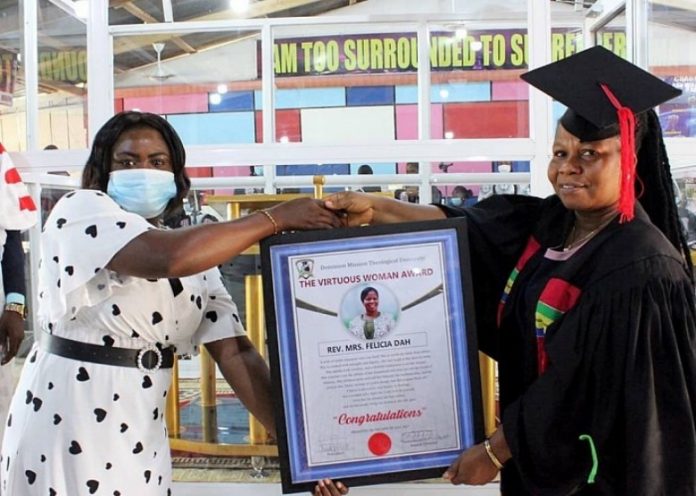

QAHE Accreditation Renewal Announcement: Dominion Mission Theological University, Global

0
Dominion Mission Theological University accreditation renewal.

We are thrilled to announce that Dominion Mission Theological University, Global (DMTU) has successfully renewed its QAHE accreditation. This significant achievement reflects DMTU’s commitment to high-quality theological education and training. It also reinforces the university’s position as a leader in theological studies.

A Commitment to Excellence

Since its founding in 2016, DMTU has focused on equipping leaders with essential knowledge and practical skills for effective ministry. The university’s mission is to empower individuals with a deep understanding of the Word of God. Additionally, it equips them with the skills needed to spread the Gospel and lead with integrity. DMTU offers a diverse range of programs that address various aspects of ministry and leadership. To date, over 4,000 students worldwide have graduated, making significant contributions to their communities and the global church.

The accreditation by QAHE (International Association for Quality Assurance in Pre-Tertiary & Higher Education) is a rigorous process designed to ensure that educational institutions meet strict standards of quality and excellence. This renewal signifies that DMTU not only meets these standards but also excels in its educational offerings, faculty qualifications, and overall institutional effectiveness.

Programs Offered

DMTU offers a wide array of programs across several schools, allowing students to pursue various paths in theological education. Among the programs available are:

  • School of Ministry and Leadership: Includes certificates and degrees in emotional intelligence, pastoral leadership, and more advanced degrees like the Ph.D. in Ministry and Leadership.
  • School of Practical and Applied Theology: Offers diplomas and degrees focusing on practical applications of theological knowledge.
  • School of Theology: Features programs in pastoral theology and biblical studies, preparing students for leadership roles in their communities.
  • School of Mission: Provides training in mission and theology, equipping students to engage in cross-cultural studies and ministry.
  • School of Chaplaincy: Offers specialized training for those seeking to serve as chaplains in various settings.
  • School of Information Technology and Media: Focuses on digital ministry and information systems, preparing students for the modern challenges of ministry in an increasingly digital world.
  • School of Christian Counseling: Provides comprehensive training in various counseling disciplines to support individuals and families.
  • School of Health and Wellness: Emphasizes the importance of wellness in ministry, offering degrees that focus on community health and mental well-being.
  • School of Business and Entrepreneurship: Prepares students for leadership roles in church finance and ministry marketing, ensuring they have the skills necessary for effective management.

Impact on Students and Communities

DMTU’s commitment to academic rigor and spiritual enrichment is evident in the success of its alumni. Furthermore, graduates are actively involved in their communities, leading initiatives that promote social justice, community outreach, and spiritual growth. Additionally, the university fosters a supportive environment where students are encouraged to engage fully in their studies and utilize the resources available to them.

Moreover, the university’s approach to education revolves around transformation—transforming minds, hearts, and ultimately, the world. By continually challenging and inspiring students, DMTU helps them realize their unique callings and empowers them to make a difference in their spheres of influence.

Looking Forward

As DMTU expands its reach and offerings, the renewed QAHE accreditation will strengthen its reputation in theological education. Moreover, the university strives to maintain high standards and continuously improve its programs to better meet the needs of students and communities.

We are proud to celebrate DMTU’s achievements and eagerly anticipate the continued growth and impact of its alumni. The challenges of our times are significant. However, the education and preparation DMTU provides equip graduates to face these challenges. As a result, they are ready to spread the Gospel and lead with love, wisdom, and integrity.

Conclusion

In conclusion, we congratulate Dominion Mission Theological University, Global on the successful renewal of its QAHE accreditation. This achievement not only recognizes the university’s past efforts but also promises its continued commitment to excellence in theological education. Moreover, we are excited to see how DMTU will continue to empower individuals and transform communities in the years to come.

For more information about DMTU and its diverse programs, please visit Dominion Mission Theological University, Global.

QAHE Signs MOU with All Pakistan Private Schools’ Federation: A New Era for Quality Education in Pakistan

0
quality education in Pakistan

On December 13, 2023, the International Association for Quality Assurance in Pre-Tertiary & Higher Education (QAHE) reached a significant milestone by signing a Memorandum of Understanding (MoU) with the All Pakistan Private Schools’ Federation (APPSF). This partnership, therefore, aims to promote reciprocal recognition and collaboration between the two organizations. As a result, it marks a pivotal moment for the private education sector in Pakistan.

The Significance of the Partnership

The APPSF is the largest representative body for private schools across Pakistan, covering regions such as Punjab, Sindh, Khyber Pakhtunkhwa, Balochistan, Islamabad, Gilgit-Baltistan, and Azad Kashmir. It has over 100 registered associations affiliated with it. APPSF plays a key role in shaping the country’s educational landscape. The partnership between QAHE and APPSF aims to improve the quality of education in private institutions, contributing to better overall educational standards nationwide.

Objectives of the MoU

The MoU outlines several key objectives that both QAHE and APPSF aim to achieve through their collaboration:

  1. Reciprocal Recognition: Both organizations will recognize and promote each other’s accreditation and quality assurance efforts. This mutual recognition is crucial for fostering trust and cooperation among educational institutions within their networks.
  2. Collaborative Opportunities: The partnership will explore opportunities for joint initiatives, including research, professional development programs, workshops, and conferences. These activities will provide valuable resources and learning opportunities for educators and administrators in the private school sector.
  3. Knowledge Sharing: QAHE and APPSF will share expertise and best practices related to quality assurance, educational policies, and emerging trends in the education sector. This exchange of knowledge is vital for keeping institutions informed and equipped to meet contemporary educational challenges.
  4. Resource Exchange: The collaboration will facilitate the exchange of information and resources to support the development of quality education in Pakistan. This includes access to research, tools, and methodologies that can enhance educational practices.

Impact on the Private School Sector

The collaboration between QAHE and APPSF is poised to have a transformative impact on the private school sector in Pakistan. By focusing on quality assurance and continuous improvement, the partnership aims to address some of the key challenges facing private education today.

Enhancing Educational Standards

One of the primary goals of this partnership is to elevate the quality of education in private schools. By aligning accreditation standards and sharing best practices, both organizations can help schools enhance their curricula, teaching methods, and administrative processes. This, in turn, will contribute to better educational outcomes for students.

Promoting Professional Development

Through joint professional development programs and workshops, educators will have the opportunity to engage in continuous learning. This focus on professional growth is essential for equipping teachers with the skills and knowledge needed to adapt to changing educational environments and meet the diverse needs of their students.

Strengthening Institutional Credibility

Ultimately, the beneficiaries of this partnership will be the students attending private schools across Pakistan. By ensuring that educational institutions adhere to high standards of quality, QAHE and APPSF are committed to providing students with a learning environment that fosters academic excellence and personal growth. Moreover, this focus on quality education is crucial for preparing students to succeed in an increasingly competitive global landscape. As a result, students will be better equipped to meet future challenges and seize new opportunities.

Encouraging Innovation

The partnership will also foster innovation in the private school sector. By encouraging the exchange of ideas and practices, QAHE and APPSF can inspire schools to adopt new technologies, teaching methodologies, and assessment strategies. This emphasis on innovation is particularly important in a rapidly changing educational landscape.

A Vision for the Future

The MoU between QAHE and APPSF represents a forward-thinking approach to education quality in Pakistan. As both organizations work together to implement the terms of the agreement, they will be laying the groundwork for a more robust and effective private education system.

Positive Outcomes for Students

Ultimately, the beneficiaries of this partnership will be the students attending private schools across Pakistan. By ensuring that educational institutions adhere to high standards of quality, QAHE and APPSF are committed to providing students with a learning environment that fosters academic excellence and personal growth. Moreover, this focus on quality education is crucial for preparing students to succeed in an increasingly competitive global landscape. As a result, students will be better equipped to meet future challenges and seize new opportunities.

Expanding Opportunities for Collaboration

Looking ahead, QAHE and APPSF are excited about the potential for further collaboration. As they implement their initiatives, the partnership may expand to include more stakeholders in the education sector. This could involve government agencies, universities, and international organizations. This broader collaboration could amplify the impact of their efforts and contribute to a more cohesive educational framework in Pakistan.

Conclusion

The signing of the MoU between QAHE and the All Pakistan Private Schools’ Federation is a key step in improving education in the private sector. Moreover, the partnership focuses on reciprocal recognition, collaboration, and knowledge sharing, which will positively impact the educational landscape in Pakistan.

By working together, both organizations aim to raise educational standards. In doing so, they will empower students, educators, and institutions. Furthermore, their shared vision for excellence will help transform private education in Pakistan, ensuring every student has access to high-quality learning opportunities.

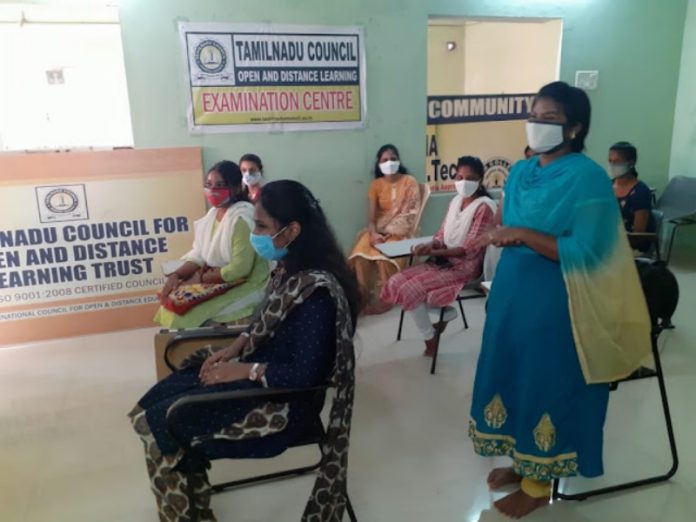
QAHE and Tamilnadu Council for Open and Distance Learning: A Strategic Partnership for Quality Education

0

The International Association for Quality Assurance in Pre-Tertiary & Higher Education (QAHE) has recently entered into a significant partnership with the Tamilnadu Council for Open and Distance Learning (TCODL), India. This collaboration formalized through a Memorandum of Understanding (MoU) signed on January 3, 2024, marks a pivotal step in enhancing quality assurance in open and distance learning (ODL). This article explores the implications of this partnership, the objectives it aims to achieve, and its potential impact on the educational landscape in India and beyond.

Understanding the Partners

The International Association for Quality Assurance in Pre-Tertiary & Higher Education (QAHE)

QAHE is an internationally recognized accrediting agency that promotes quality assurance in both pre-tertiary and higher education. Committed to fostering best practices, research, and mutual recognition of accreditation standards, QAHE plays a crucial role in advancing global educational quality. The organization ensures that educational offerings meet rigorous standards, preparing students for academic and professional success.

Tamilnadu Council for Open and Distance Learning (TCODL)

Established under the National Education Policy 1986 and Programme of Action 1992, TCODL is an autonomous body focused on advancing education through open and distance learning. Additionally, as a member of the International Council for Open and Distance Education (ICDE), TCODL promotes high-quality educational opportunities. This commitment helps learners who lack access to traditional educational settings. Furthermore, the council ensures that ODL programs are not only equitable and relevant but also of the highest quality.

Objectives of the MoU

The MoU between QAHE and TCODL outlines several key areas of collaboration that are designed to enhance quality assurance mechanisms in open and distance learning. These objectives reflect a shared commitment to improving educational standards and promoting access to quality education.

1. Mutual Recognition

A cornerstone of the partnership is the exploration of mutual recognition of accreditation standards. By aligning their accreditation processes, QAHE and TCODL aim to foster international collaboration and build trust among educational institutions. Consequently, this mutual recognition will streamline accreditation for institutions seeking recognition from both organizations. As a result, students and faculty will benefit from having more accredited program options available to them.

2. Quality Assurance Development

The collaboration seeks to develop and enhance quality assurance practices within ODL. By aligning with international standards, QAHE and TCODL aim to create robust frameworks that ensure quality in educational offerings. This is particularly crucial in today’s rapidly changing landscape, where the demand for high-quality, flexible learning options is steadily increasing. Furthermore, this partnership will help address the evolving needs of learners and institutions alike, fostering continued growth and improvement in the sector.

3. Knowledge Sharing

An important aspect of the partnership is the facilitation of knowledge sharing between the two organizations. Specifically, this includes the exchange of information, research findings, and publications related to quality assurance in open and distance learning. Furthermore, QAHE and TCODL can leverage their expertise to promote innovative practices. As a result, this collaboration will help enhance the quality of ODL programs.

4. Capacity Building

QAHE and TCODL are committed to enhancing the capacity of educational institutions and professionals involved in ODL. In addition, through collaborative initiatives, the partnership will provide training and resources aimed at improving the implementation of quality assurance practices. As a result, this capacity building is essential for ensuring that educational institutions can deliver high-quality education that meets the diverse needs of learners. Moreover, it will enable institutions to adapt to evolving educational demands and continue to provide effective, flexible learning options.

Impact on Open and Distance Learning in India

The signing of this MoU represents a significant advancement for open and distance learning in India. As the demand for flexible education rises, especially after the COVID-19 pandemic, robust quality assurance mechanisms are more critical than ever. The partnership between QAHE and TCODL will address these needs by setting higher standards for ODL programs.

Enhancing Accessibility and Quality

One of the main benefits of this partnership is improved accessibility and quality of education for learners in India. By promoting high-quality ODL programs, QAHE and TCODL ensure that students, regardless of location or circumstances, have access to relevant educational opportunities. This is particularly important in a vast and diverse country like India, where traditional education may not be accessible to everyone.

Strengthening Institutional Credibility

The mutual recognition of accreditation standards will also serve to strengthen the credibility of institutions offering ODL programs. As institutions align their practices with international standards, they will position themselves better to attract students and faculty who value quality education. This increased credibility can lead to enhanced enrollment, greater funding opportunities, and improved partnerships with other educational institutions and organizations.

Promoting Lifelong Learning

In today’s fast-paced world, the importance of lifelong learning cannot be overstated. The collaboration between QAHE and TCODL supports the notion that education should be an ongoing endeavor. This partnership enhances the quality of ODL programs, encouraging individuals to pursue further education and skill development. It contributes to both personal and professional growth.

The Future of the Partnership

As QAHE and TCODL move forward with their collaboration, the future looks promising for open and distance learning. The partnership will pave the way for several initiatives that will create a lasting impact on the educational landscape.

Collaborative Initiatives

In the coming months and years, QAHE and TCODL will launch various initiatives to promote quality assurance in ODL. These initiatives may include joint conferences, workshops, and training programs. Through these events, educators, administrators, and quality assurance professionals will have the opportunity to come together, exchange insights, and share best practices. As a result, this collaboration will foster greater knowledge-sharing and improve the overall quality of ODL programs.

Research and Development

The partnership will also create opportunities for joint research projects focused on quality assurance in open and distance learning. By conducting research in this area, both organizations can contribute to the body of knowledge surrounding effective practices and innovative approaches to ODL.

Global Impact

The immediate focus of the partnership is to enhance quality assurance in India. However, its impact extends beyond national borders. By aligning with international standards and promoting best practices, the QAHE-TCODL partnership could influence open and distance learning worldwide. This global perspective is essential in a time when education is increasingly interconnected.

Conclusion

The MoU between QAHE and the Tamilnadu Council for Open and Distance Learning marks a significant step towards quality education. By focusing on mutual recognition, quality assurance development, knowledge sharing, and capacity building, this partnership aims to improve open and distance learning in India and beyond.

As the educational sector evolves, collaborations like this are increasingly crucial for meeting the diverse needs of learners. Moreover, the QAHE-TCODL partnership not only promotes educational excellence but also reinforces the importance of quality assurance. Together, they are paving the way for a brighter educational future, ensuring that every learner has the opportunity to succeed.

QAHE Partners with IARC for Dual Accreditation Agreement: A New Era in Educational Quality Assurance

0

The International Association for Quality Assurance in Pre-Tertiary & Higher Education (QAHE) is thrilled to announce its recent partnership with the International Accreditation, Rating and Certification Institute (IARC). This significant collaboration formalized through a Memorandum of Understanding (MoU) signed on June 28, 2024, aims to establish a robust framework for dual accreditation, enhancing the recognition and credibility of educational institutions across the globe.

What is Dual Accreditation?

Dual accreditation is a process that allows educational institutions to receive accreditation from two different accrediting bodies. As a result, this agreement between QAHE and IARC facilitates reciprocal recognition of accreditation decisions. In other words, institutions accredited by one organization will automatically receive accreditation from the other. Moreover, this streamlined process not only simplifies the accreditation journey but also enhances the global visibility of participating institutions.

Benefits of Dual Accreditation

  1. Enhanced Global Recognition: Institutions that achieve dual accreditation gain significant international recognition. This status boosts their credibility and makes them more attractive to prospective students, employers, and academic partners worldwide.
  2. Access to Broader Student Markets: Dual accreditation enables institutions to tap into new student markets, facilitating recruitment efforts across borders. This is particularly beneficial in an increasingly competitive educational landscape.
  3. Alignment with International Standards: The dual accreditation process ensures that educational programs meet the highest international standards. This gives assurance to students and stakeholders about the quality of education.
  4. Increased Mobility for Students: Dual accreditation enhances student mobility. Students can transfer credits and qualifications more easily between institutions accredited by QAHE and IARC.

The Significance of the QAHE-IARC Partnership

This partnership between QAHE and IARC represents a landmark development in the field of quality assurance for higher education. By joining forces, both organizations commit to promoting international cooperation and harmonizing accreditation practices. This initiative not only strengthens the credibility of accredited institutions but also contributes to the overall improvement of educational quality globally.

Collaborative Framework

The MoU outlines a clear collaborative framework that will guide the partnership. Key highlights include:

  • Streamlined Accreditation Process: The agreement aims to simplify accreditation procedures, making it easier for institutions to navigate the complexities of obtaining dual accreditation.
  • Regular Communication: QAHE and IARC will maintain regular dialogue to share best practices and experiences, ensuring that both organizations stay aligned in their mission to enhance educational quality.
  • Joint Initiatives: Both organizations will collaborate on joint initiatives, including training programs and workshops designed to support institutions in meeting accreditation standards.

QAHE’s Commitment to Quality Assurance

QAHE has long been recognized as a leader in quality assurance for pre-tertiary and higher education. Furthermore, the organization works tirelessly to ensure that educational institutions meet the highest standards through rigorous accreditation processes. As a result of this partnership, QAHE reinforces its commitment to fostering educational excellence and actively supporting institutions in their quest for quality improvement.

IARC’s Role in the Partnership

IARC is equally committed to promoting quality assurance in education. IARC focuses on providing objective evaluations and certification processes. It helps institutions achieve accreditation that meets international standards. The partnership with QAHE enhances IARC’s ability to provide comprehensive accreditation services to a wider range of institutions.

The Future of Education with Dual Accreditation

The QAHE-IARC partnership is poised to shape the future of educational quality assurance. As educational institutions increasingly seek ways to distinguish themselves in a competitive market, dual accreditation offers a viable solution. Furthermore, by streamlining the accreditation process and enhancing global recognition, this partnership paves the way for institutions to thrive in an interconnected world. Consequently, institutions can gain greater visibility and credibility on the global stage.

Testimonials and Impact

Educational institutions that have pursued dual accreditation through this new agreement can expect positive feedback and testimonials from students and faculty alike. The increased recognition and credibility that come with dual accreditation often lead to improved enrollment numbers and enhanced institutional reputation.

How to Apply for Dual Accreditation

Institutions interested in pursuing dual accreditation through the QAHE-IARC partnership can find detailed information on the application process on the respective websites of QAHE and IARC. The process typically involves the following steps:

  1. Initial Consultation: Institutions should reach out to QAHE or IARC for an initial consultation to discuss their readiness for dual accreditation.
  2. Self-Evaluation: Institutions will need to conduct a self-evaluation based on the accreditation criteria set forth by both organizations.
  3. Submission of Documents: After completing the self-evaluation, institutions must submit the required documentation for review.
  4. Accreditation Decision: Upon successful evaluation, institutions will receive an accreditation decision from both QAHE and IARC, leading to dual accreditation status.

Conclusion

The partnership between QAHE and IARC marks a significant step forward in the realm of educational quality assurance. By facilitating dual accreditation, both organizations aim to enhance the credibility, visibility, and quality of educational institutions worldwide. As the educational landscape continues to evolve, this collaboration will, therefore, help institutions gain the support and recognition needed to thrive in a competitive global market.

Furthermore, for more information about the QAHE-IARC partnership and dual accreditation, institutions should visit the IARC website or contact QAHE directly. Ultimately, QAHE and IARC are committed to fostering educational excellence and ensuring high-quality learning experiences for all students.

QAHE Signs MOU for Strategic Collaboration with TAG-EDUQA: Advancing Quality Assurance in Education

0
quality assurance in education

The International Association for Quality Assurance in Pre-Tertiary and Higher Education (QAHE) has officially signed a Memorandum of Understanding (MOU) with Talal Abu-Ghazaleh for Quality Assurance in Education (TAG-EDUQA) in Jordan. This strategic collaboration marks a significant milestone in the ongoing efforts to enhance educational quality and standards across the globe.

Strengthening Educational Standards

The partnership between QAHE and TAG-EDUQA aims to establish reciprocal recognition and strengthen strategic collaboration between the two organizations. Both entities are committed to promoting educational excellence and ensuring institutions meet rigorous quality standards. TAG-EDUQA empowers educational institutions by offering guidance, support, and consultancy services. These services help drive continuous improvement in educational outcomes.

Through this collaboration, QAHE aims to enhance its training and capacity-building services. The focus will be on sharing best practices in accreditation and quality assurance. The partnership aims to improve educator performance in both traditional and digital education environments.

Key Objectives of the Collaboration

The MOU outlines several key objectives aimed at advancing quality assurance in education:

  1. Reciprocal Recognition: The partnership will allow both organizations to mutually recognize quality assurance standards and processes, enabling more effective collaboration.
  2. Training and Capacity Building: QAHE and TAG-EDUQA will organize training courses to improve educational quality and equip educators with the tools and knowledge to excel.
  3. Regular Dialogue: The collaboration encourages ongoing dialogue between both organizations, fostering continuous improvement and innovation in educational practices.
  4. Joint Campaigns and Marketing Efforts: Both organizations will work together on initiatives to raise awareness about the importance of quality assurance and robust accreditation processes.

Enhancing Educational Outputs

TAG-EDUQA is a leader in providing educational institutions with self-evaluation tools, accreditation processes, and specialized training. These services help institutions improve their educational outputs and meet the growing demands of students and employers.

By partnering with TAG-EDUQA, QAHE aims to use these resources to enhance the quality of education. This ensures that institutions can meet both national and international standards. This collaboration is expected to foster innovative approaches to quality education, ultimately benefiting students and educators alike.

The Importance of Quality Assurance in Education

Quality assurance in education is crucial for ensuring that institutions deliver high-quality learning experiences. Accreditation serves as a benchmark for educational standards, assuring students, parents, and employers about the value of a program or institution. By enhancing quality assurance processes, QAHE and TAG-EDUQA are contributing to the credibility and reputation of educational institutions globally.

As educational landscapes continue to evolve, particularly with the rise of digital learning, the need for robust quality assurance mechanisms becomes increasingly important. Institutions must adapt to changing educational demands and technological advancements, making continuous improvement a priority.

Looking Ahead: The Future of Educational Quality

The signing of the MOU between QAHE and TAG-EDUQA represents a significant step forward in the ongoing efforts to enhance the quality of education worldwide. By joining forces, both organizations are poised to make a substantial impact in the realm of educational quality assurance.

This collaboration is particularly timely. Educational institutions face numerous challenges, such as maintaining high standards and adapting to new teaching methodologies. Additionally, the rise of new technologies adds to the pressure. The partnership will provide the necessary support and resources to navigate these challenges effectively.

Conclusion

The strategic collaboration between QAHE and TAG-EDUQA is a promising development for the future of quality assurance in education. By working together, these organizations aim to promote excellence in education and help institutions meet the rigorous demands of today’s educational landscape.

As QAHE expands its reach in quality assurance, the partnership with TAG-EDUQA will shape the future of educational standards. For institutions looking to improve their quality assurance processes, this collaboration offers a valuable opportunity to enhance their credibility and effectiveness.

Stay tuned for further updates on this partnership by visiting the QAHE website. Together, QAHE and TAG-EDUQA are committed to fostering a culture of quality and ensuring all learners receive the high-quality education they deserve.

AAQR Recognizes QAHE: A New Era in Dual Accreditation Partnership

0

In a groundbreaking development for educational quality assurance, the Agency for Quality Accreditation and Ranking (AAQR) has officially recognized the International Association for Quality Assurance in Pre-Tertiary and Tertiary Education (QAHE). This recognition comes with the announcement of a dual accreditation partnership that promises to enhance the quality and credibility of educational institutions globally. This partnership is not just a significant milestone for both organizations but also a transformative moment for the broader educational landscape.

Understanding the Dual Accreditation Partnership

The dual accreditation partnership between AAQR and QAHE aims to establish a robust framework for quality assurance in education. By combining their resources, expertise, and networks, both organizations aim to ensure that accredited institutions uphold high educational standards recognized internationally. As a result, this collaboration represents a strong commitment to fostering educational excellence. Additionally, it promotes innovative practices and, ultimately, enhances the global recognition of qualifications.

The Significance of the Recognition Letter

The formal Recognition Letter issued by AAQR to QAHE highlights the tremendous contributions QAHE has made to enhancing and assuring the quality of education globally. Signed by AAQR Director Professor Toksobaeva B., the letter emphasizes the importance of this partnership. Specifically, it serves as a guarantee of quality assurance and recognition of qualifications in the international educational space. Moreover, this recognition underscores QAHE’s credibility in educational accreditation. As a result, it reinforces the trust institutions can place in the dual accreditation process.

Benefits of Dual Accreditation

  1. Enhanced Credibility: Institutions accredited by both AAQR and QAHE will benefit from increased credibility in the eyes of students, employers, and other stakeholders. Dual accreditation serves as a testament to the institution’s commitment to maintaining high educational standards.
  2. Global Recognition: The partnership facilitates international recognition of qualifications, enabling students and graduates to have their credentials accepted and valued across different countries and regions. This is particularly important in a globalized education market where students often seek opportunities abroad.
  3. Access to Resources and Support: Institutions that engage with both organizations will have access to a wealth of resources, including best practices, training, and support for continuous improvement. This collaboration will help institutions enhance their educational offerings and operational efficiencies.
  4. Opportunities for Collaboration: The partnership opens up avenues for collaboration between accredited institutions, allowing them to share knowledge, research, and innovations in educational practices. This exchange can lead to improved learning outcomes and enhanced institutional performance.

The Role of QAHE in Educational Accreditation

QAHE has established itself as a leading non-governmental, independent quality assurance agency focused on pre-tertiary and tertiary education. Its mission is to ensure educational excellence through rigorous accreditation processes. These processes evaluate institutions based on established standards and best practices.

Furthermore, QAHE offers accreditation services to various educational sectors. As a result, it plays a vital role in promoting quality assurance and continuous improvement in education. The agency’s commitment to enhancing educational standards aligns perfectly with the objectives of the AAQR. Therefore, this partnership is a natural fit.

QAHE’s Global Recognition

QAHE is recognized by several prominent educational agencies worldwide. These include the National Agency for Quality Assurance in Education & Research in Moldova, the Agency for Accreditation of Educational Programs & Organizations in Kyrgyzstan, and the Council on International Higher Education Supervision in Austria, among others. As a result, this global recognition reinforces QAHE’s credibility. Moreover, it enhances the value of its accreditation services, making them more widely respected.

AAQR: A Commitment to Quality

The Agency for Quality Accreditation and Ranking (AAQR) is dedicated to ensuring the quality and ranking of educational institutions. By providing comprehensive accreditation services, AAQR aims to enhance education systems and promote continuous improvement.

Through its new partnership with QAHE, AAQR is set to strengthen its global role. This collaboration will enable AAQR to leverage QAHE’s expertise in both pre-tertiary and tertiary education. As a result, AAQR can enhance its accreditation framework and expand its reach internationally.

Innovative Technologies in Accreditation

One of the key focus areas of the AAQR and QAHE partnership is the incorporation of modern innovative technologies in accreditation processes. By utilizing technology, both organizations aim to streamline the accreditation process, making it more efficient and accessible for institutions. This approach not only enhances the quality of evaluations but also supports data-driven decision-making, which is essential for continuous improvement in educational practices.

Strengthening International Cooperation

The dual accreditation partnership is expected to bolster international cooperation among educational institutions. By recognizing each other’s accreditation processes, AAQR and QAHE create a pathway for institutions to achieve dual recognition. This can significantly enhance their competitiveness in the global market. Such cooperation is crucial in an era when educational institutions are increasingly seeking to expand their international presence. Additionally, it helps attract students from diverse backgrounds.

The Future of Educational Accreditation

As educational institutions navigate the complexities of a globalized world, the need for credible and recognized accreditation becomes increasingly important. The partnership between AAQR and QAHE addresses this need by providing a framework that not only enhances the quality of education but also promotes the recognition of qualifications across borders.

Looking ahead, this partnership has the potential to influence educational quality on a large scale. By working together, AAQR and QAHE can set new standards for accreditation that emphasize quality, transparency, and accountability. This collaborative approach will foster an environment where educational institutions can thrive and students can receive the high-quality education they deserve.

Conclusion: A Commitment to Excellence

The recognition of QAHE by AAQR and the establishment of a dual accreditation partnership is a significant step toward enhancing the quality of education worldwide. This collaboration exemplifies a shared commitment to educational excellence and the promotion of best practices in quality assurance.

As both organizations move forward, they will continue working together to ensure educational institutions meet the highest quality standards. This partnership will transform the educational accreditation landscape and empower institutions to provide exceptional learning experiences for students.

For institutions seeking to enhance their credibility and recognition globally, engaging with the dual accreditation process offered by QAHE and AAQR is a valuable opportunity. By committing to quality assurance and continuous improvement, institutions can position themselves as leaders in the educational sector. This will prepare them to meet future challenges.

For more information on the dual accreditation partnership and its benefits, interested parties are encouraged to visit the QAHE website. There, educators, administrators, and stakeholders can find resources and guidance to support their journey toward recognized accreditation in the evolving educational landscape.

QAHE and GAFM Sign MOU for Institutional Accreditation in Education and Training

0

The recent signing of a Memorandum of Understanding (MOU) between the International Association for Quality Assurance in Pre-Tertiary and Higher Education (QAHE) and the Global Academy of Finance and Management (GAFM) marks a pivotal moment for educational institutions seeking accreditation in the fields of education and training. This partnership not only enhances the credibility of both organizations but also provides a structured pathway for institutions to achieve recognized accreditation, thereby promoting quality assurance across educational sectors.

Understanding the Significance of the MOU

The MOU establishes QAHE as an authorized assessor for GAFM, facilitating a collaborative approach to institutional accreditation. This partnership underscores the commitment of both organizations to uphold educational standards and ensure that institutions meet rigorous quality benchmarks. By combining their expertise, QAHE and GAFM aim to create a robust framework for assessing educational quality, which will ultimately benefit students, educators, and employers alike.

Expanding Accreditation Opportunities

One of the key outcomes of this collaboration is the expansion of accreditation opportunities for educational institutions. QAHE, renowned for its commitment to quality assurance in pre-tertiary and higher education, is now expanding into institutional accreditation with GAFM. This partnership enables institutions to undergo thorough evaluations to demonstrate their compliance with established standards and best practices in education and training.

The Role of GAFM: A Leader in Finance and Management Education

GAFM is globally recognized for its significant contributions to the fields of finance and management. By partnering with QAHE, GAFM is able to expand its accreditation offerings. As a result, institutions that focus on finance and management education will now have the opportunity to receive globally respected accreditation. Furthermore, GAFM’s strict evaluation criteria ensure that these institutions deliver high-quality education, which, in turn, makes their graduates more competitive in the job market. Consequently, institutions that achieve this accreditation can expect to see enhanced reputation and student outcomes.

The Accreditation Process: What Institutions Can Expect

The accreditation process facilitated by the QAHE and GAFM partnership will involve a detailed assessment of institutions based on several key factors. These factors include curriculum quality, faculty qualifications, infrastructure, student support services, and overall institutional governance. Institutions must demonstrate a commitment to continuous improvement and adherence to best practices in order to achieve accreditation.

The assessment process is designed to be thorough yet constructive, providing institutions with valuable feedback to enhance their educational offerings. Institutions that successfully meet the accreditation requirements will receive a prestigious institutional accreditation from both QAHE and GAFM, signifying their dedication to delivering high-quality education and training.

Benefits of Accreditation for Educational Institutions

Achieving accreditation through this partnership offers numerous benefits for educational institutions. First and foremost, accreditation enhances the reputation and credibility of institutions among students, employers, and other stakeholders. It serves as a mark of quality assurance, indicating that the institution meets or exceeds established educational standards.

Furthermore, accredited institutions often experience increased enrollment, as students are more likely to choose schools with recognized accreditation. Employers prefer graduates from accredited institutions, knowing they have received a quality education that prepares them for the workforce. Accreditation also opens doors for institutions to secure funding, grants, and partnerships, which often depend on meeting specific quality standards.

A Commitment to Continuous Improvement

The collaboration between QAHE and GAFM goes beyond just accreditation. It fosters a culture of continuous improvement in educational institutions. The rigorous evaluation process encourages institutions to regularly assess and enhance their programs. This ensures they stay relevant and effective in meeting student and job market needs.

By participating in this accreditation process, institutions commit to ongoing development and innovation in their educational practices. This commitment ultimately leads to better learning outcomes for students and contributes to the overall advancement of the educational sector.

Global Recognition and Impact

The partnership between QAHE and GAFM has the potential to significantly influence educational quality on a global scale. As institutions worldwide enhance their educational offerings and strive for recognized accreditation, this collaboration provides a valuable framework to support these efforts. By promoting high standards in education and training, QAHE and GAFM are not only helping institutions but also contributing to the development of a skilled workforce. This workforce will be better equipped to meet the demands of a rapidly changing global economy. Thus, the partnership plays a crucial role in shaping the future of education.

Future Prospects for Educational Institutions

Looking ahead, the QAHE and GAFM partnership is poised to provide significant opportunities for educational institutions across various sectors. As the demand for quality education grows, institutions pursuing accreditation through this partnership will be better positioned to compete globally.

The focus on quality assurance and continuous improvement benefits not only individual institutions but also raises educational standards worldwide. In today’s interconnected world, demonstrating compliance with recognized accreditation standards can be a key differentiator for educational institutions.

Conclusion: A New Era for Educational Accreditation

The signing of the MOU between QAHE and GAFM represents a transformative step forward in the field of educational accreditation. By combining their resources and expertise, QAHE and GAFM are creating a robust framework for institutional accreditation focused on quality, innovation, and continuous improvement.

Institutions that engage in this process will boost their reputation and credibility while advancing global educational standards. Through their collaboration, QAHE and GAFM aim to ensure that quality assurance becomes a priority, giving every student access to a superior educational experience.

To learn more about the accreditation process and its benefits, visit the QAHE website. Educators, administrators, and stakeholders can find valuable resources to guide them in achieving recognized accreditation in today’s evolving educational landscape.

QAHE Signs MOU for Reciprocal Recognition and Strategic Alliance with Association of Compulsive E-Learning (A.C.E.L.)

0
QAHE and A.C.E.L. strategic alliance

In a significant development for digital education, the International Association for Quality Assurance in Pre-Tertiary & Higher Education (QAHE) has signed a Memorandum of Understanding (MOU) with the Association of Compulsive E-Learning (A.C.E.L.). This strategic alliance aims to enhance collaboration between the two organizations, focusing on the advancement of digital learning and the transformation of educational practices.

The Role of A.C.E.L. in Digital Learning

A.C.E.L. is a nationally registered non-governmental organization that improves education through innovative digital solutions. By designing and developing tools and resources tailored for digital learning, A.C.E.L. addresses the unique challenges faced by students in both primary and secondary education. With initiatives impacting over 300,000 students across 1,600 schools, A.C.E.L. is at the forefront of transforming the educational landscape in India.

Embracing Digital Transformation

The integration of digital media into teaching and learning processes is reshaping education as we know it. Digital classrooms offer vast opportunities for implementing innovative teaching strategies and utilizing Information and Communication Technology (ICT) tools. These tools not only enhance the learning experience but also streamline educational administration, testing, and evaluation through effective Learning Management Systems (LMS).

Overcoming Barriers to Technology Integration

Despite the numerous benefits of digital learning, many educational institutions still face significant barriers to effectively integrating technology. In response to these challenges, A.C.E.L. leads initiatives that use modern digital tools and smart classrooms to boost student engagement. Additionally, the organization provides teacher training and resources. This helps educators harness the full potential of digital technology in their classrooms. Consequently, these efforts not only support educators but also pave the way for more engaging and effective learning environments.

The Importance of Data-Driven Decision Making

One of the key focuses of the QAHE and A.C.E.L. partnership is to promote data-driven decision-making within the government and public sector education systems. This collaboration aims to establish a sustainable culture that enables effective needs assessment and resource optimization. By unlocking the value of data, the partnership will facilitate ongoing educational transformation and enhance the overall quality of education.

Advancing Quality Assurance in Education

QAHE is dedicated to enhancing quality assurance in pre-tertiary and higher education. As part of this commitment, the collaboration with A.C.E.L. aims to bolster the digital learning ecosystem. Consequently, this partnership will not only improve educational outcomes but also foster the development of innovative teaching practices. Furthermore, the strategic alliance will provide essential support to educational institutions, helping them adapt to the rapidly evolving digital landscape. By collaborating, both organizations will equip educational institutions to meet the challenges of modern education better.

Conclusion

The signing of the MOU between QAHE and A.C.E.L. marks a pivotal moment in the quest for quality and innovation in education. Together, these organizations are committed to advancing digital learning and transforming educational practices for students at all levels. Moreover, this partnership enhances the quality of education and helps institutions navigate the challenges of a rapidly changing educational environment. As a result, the collaboration will lead to significant improvements in educational outcomes. It will also drive sustainable development in the digital education landscape. Consequently, both organizations are laying the foundation for a future where innovation and quality assurance support global educational advancement.

For more information about this strategic alliance and its implications for the future of education, visit the QAHE website.

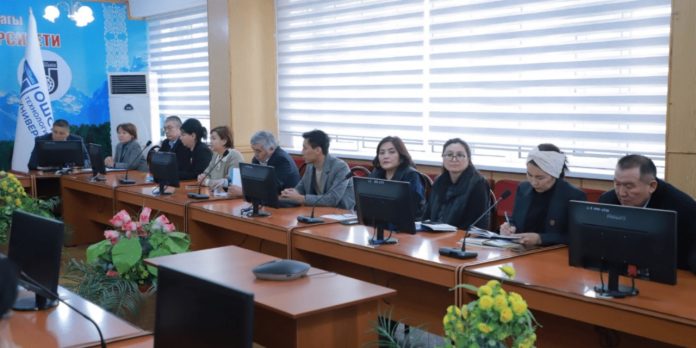
Kyrgyz Accreditation Agency Extends Dual Accreditation Pathway to QAHE-Accredited Institutions

0

In a significant advancement for the quality assurance landscape in higher education, the International Association for Quality Assurance in Pre-Tertiary and Higher Education (QAHE) has signed a Memorandum of Understanding (MOU) with the Agency for Accreditation of Quality and Rating (AAKR/AAQR) in the Kyrgyz Republic. Announced on July 15, 2024, this partnership establishes a dual accreditation pathway for institutions accredited by QAHE, enhancing their recognition and opportunities within the Kyrgyz higher education system.

The Importance of Dual Accreditation

Dual accreditation represents a valuable opportunity for educational institutions to gain recognition from multiple accrediting bodies. This recognition enhances the credibility of these institutions on both national and international stages. Being accredited by both QAHE and AAKR assures students, parents, and employers of the institution’s commitment to high educational standards. This partnership also enables a more integrated approach to quality assurance. It combines the strengths of both organizations to enhance educational outcomes.

Background of the AAKR

The National Accreditation Council of the Kyrgyz Republic officially recognized the Agency for Accreditation of Quality and Rating (AAQR) on December 23, 2022. As a non-profit organization, AAKR provides independent accreditation and quality assurance services to educational institutions in Kyrgyzstan. Its primary mission is to enhance the quality of higher education by implementing rigorous accreditation standards.

Founded in 2015 by a coalition of education professionals, researchers, and policymakers, AAKR has collaborated with the Ministry of Education and Science of the Kyrgyz Republic. Together, they developed a comprehensive accreditation framework. This framework not only follows international best practices but also ensures that Kyrgyz higher education institutions meet the highest quality standards. Consequently, it plays a vital role in improving educational outcomes across the country.

The Accreditation Process

The accreditation process established by AAKR is multifaceted, involving a thorough self-evaluation by the institution, an on-site review by independent experts, and a final decision by the accreditation council. This rigorous approach not only evaluates the overall performance of institutions but also assesses the quality of individual academic programs. Such a comprehensive evaluation helps institutions to identify areas for improvement and adapt their offerings to better meet the demands of the modern job market.

By extending the dual accreditation pathway in higher education to QAHE-accredited institutions, AAKR aims to support these institutions in maintaining their accreditation in good standing with QAHE while also meeting the local standards set by the Kyrgyz agency. This alignment of standards ensures that institutions can provide high-quality education that is recognized both locally and internationally.

Enhancing International Recognition

One of the key benefits of this partnership is the potential for enhanced international recognition of Kyrgyz higher education institutions. Through the collaboration with QAHE, AAKR can leverage QAHE’s established reputation and international connections to promote the quality of Kyrgyz higher education on a global scale. This is particularly important as students increasingly seek educational opportunities that are recognized worldwide.

By participating in regional and global accreditation networks, such as the Asia-Pacific Quality Network (APQN) and the International Network for Quality Assurance Agencies in Higher Education (INQAAHE), AAKR aims to benchmark its standards against those of other accreditation bodies and share best practices. This engagement will further enhance the credibility of Kyrgyz institutions and improve the prospects for their graduates, enabling them to pursue further education or employment opportunities both domestically and abroad.

Supporting Continuous Improvement

The partnership between QAHE and AAKR goes beyond recognition. It fosters a culture of continuous improvement within Kyrgyz higher education. AAKR provides tailored feedback and recommendations to help institutions refine their offerings. This ensures they stay relevant and meet the needs of students and the labor market.

AAKR also promotes best practices in curriculum design, teaching methods, student support services, and research innovation. This holistic approach is crucial for developing a higher education system that adapts to emerging trends and challenges.

Addressing Challenges and Opportunities

As AAKR continues to evolve, it faces several challenges and opportunities. One major challenge is ensuring the financial sustainability and independence of the agency, which relies on government funding and fees from accredited institutions. To address this, AAKR is exploring innovative funding models, including partnerships with private organizations and international donors.

Furthermore, AAKR must continuously adapt its accreditation standards to keep pace with the rapidly changing landscape of higher education. This includes staying informed about emerging trends, technologies, and best practices in areas such as online learning and interdisciplinary education. By engaging in ongoing research and stakeholder discussions, AAKR aims to maintain a relevant and effective accreditation framework.

The Future of Kyrgyz Higher Education

Looking ahead, the partnership between QAHE and AAKR holds significant promise for the future of higher education in Kyrgyzstan. This collaboration will enhance the quality and recognition of accredited institutions. It has the potential to transform Kyrgyzstan’s educational landscape, making the country more attractive to students and educators.

The dual accreditation pathway will allow QAHE-accredited institutions to leverage AAKR’s local expertise while benefiting from QAHE’s global recognition. This synergy aims to elevate education quality in Kyrgyzstan, helping students gain the skills and knowledge to succeed in a competitive global environment.

Conclusion

The signing of the MOU between QAHE and AAKR marks a significant milestone for quality assurance in higher education. The dual accreditation pathway strengthens the credibility and recognition of Kyrgyz higher education institutions. Both organizations are committed to improving these institutions’ standing on national and international stages. This partnership not only promotes high standards of education but also fosters international cooperation and continuous improvement within the sector.

As AAKR builds its capabilities, Kyrgyzstan’s higher education system stands to gain from increased recognition, better quality, and improved opportunities. This collaboration with QAHE will help ensure that Kyrgyz educational offerings gain global respect. As higher education evolves, maintaining a strong focus on quality assurance will ensure students receive the education they deserve and are prepared to thrive in a connected world.