spot_img
Home Blog Page 16

Career Setbacks and Their Sociological Impact on Mental Health

0
career setbacks and mental health

In today’s competitive job market, career setbacks are increasingly common and can have significant psychological repercussions. From job loss to lack of advancement, these experiences not only affect individual well-being but also reflect broader societal dynamics. Understanding the sociological implications of career setbacks and their connection to depression is essential for addressing mental health in the workplace.

The Sociological Context of Career Setbacks

Career setbacks often occur within a framework shaped by economic conditions, organizational cultures, and social expectations. The modern workforce is characterized by rapid changes, including technological advancements and shifts in industry demands, which can lead to instability and uncertainty. In this context, setbacks such as layoffs or stagnation can be seen as symptomatic of larger societal issues, including economic inequality and job polarization. Individuals may feel vulnerable, as their careers are influenced by factors beyond their control, leading to feelings of helplessness.

Emotional Responses and Social Implications

When faced with career setbacks, individuals experience a range of emotional responses, including disappointment, anxiety, and isolation. These emotions are not merely personal but are deeply intertwined with societal norms and values. For instance, societal pressures to achieve success and upward mobility can exacerbate feelings of inadequacy when setbacks occur. Individuals may internalize these pressures, leading to a diminished sense of self-worth and increased susceptibility to mental health issues like depression.

Moreover, the stigma surrounding job loss or career failure can contribute to social withdrawal. People may retreat from their social circles out of shame or fear of judgment, which further isolates them during a critical time. This isolation can perpetuate a cycle of negative emotions, reinforcing the very feelings of worthlessness that contribute to depression.

The Role of Economic Inequality

Economic inequality plays a crucial role in shaping the experiences of those facing career setbacks. Individuals from marginalized backgrounds may encounter systemic barriers that complicate their ability to recover from setbacks. For example, those without access to robust social networks or financial resources may find it more challenging to navigate unemployment or career transitions. The intersection of class, race, and gender can exacerbate these challenges, leading to disparities in mental health outcomes.

Research indicates that individuals in lower socioeconomic positions are more likely to experience chronic stress related to job insecurity. This stress can lead to adverse mental health outcomes, including depression. Understanding these social determinants of mental health is essential for addressing the root causes of distress associated with career setbacks.

The Impact of Workplace Culture

Workplace culture also plays a significant role in how individuals experience setbacks. Organizations that foster a supportive environment can mitigate the psychological impacts of career challenges. Conversely, cultures that prioritize competition and individual achievement may exacerbate feelings of failure and inadequacy. When organizations fail to recognize the emotional toll of setbacks, they risk alienating employees and contributing to a culture of silence around mental health issues.

Creating a workplace that encourages open dialogue about challenges and mental health can be transformative. Supportive policies, such as employee assistance programs and mental health resources, can help individuals navigate setbacks more effectively and reduce stigma around seeking help.

Conclusion

Career setbacks are not merely individual failures; they are deeply connected to broader sociological factors that influence mental health. By recognizing the interplay between personal experiences and societal structures, we can develop more effective strategies to support individuals facing these challenges. Addressing the emotional and psychological consequences of career setbacks requires a holistic approach that considers economic, cultural, and social dimensions. In doing so, we can foster resilience and promote mental well-being in the face of adversity, ultimately contributing to a healthier workforce and society.


Consequential Directions in Court Cases: Understanding the Impacts of Legal Decisions

0
consequential directions in court cases

In the realm of law, the concept of “consequential directions” refers to the significant outcomes and implications that arise from court cases. These directions not only affect the parties involved but also have broader ramifications for legal precedents, societal norms, and public policy. Understanding these consequences is essential for legal professionals, policymakers, and the public as they navigate the complexities of the judicial system.

The Ripple Effect of Court Decisions

Every court case has the potential to set a precedent, influencing future legal interpretations and decisions. When a court rules on a particular issue, it creates a framework for how similar cases should be handled in the future. This ripple effect can lead to significant shifts in legal standards and practices.

Case Law and Precedents

In common law systems, the doctrine of stare decisis mandates that courts follow precedents set by higher courts. This means that a ruling in one case can have lasting effects on subsequent cases. For instance, landmark decisions such as Brown v. Board of Education have reshaped educational policies across the United States by establishing the principle that racial segregation in public schools is unconstitutional. Such consequential directions not only impact the legal landscape but also drive social change.

Implications for Justice and Equity

Court cases often address fundamental issues of justice and equity, making their outcomes critical for marginalized communities. A ruling in favor of civil rights can empower individuals and groups, while adverse decisions can perpetuate systemic inequalities. For example, cases involving voting rights or discrimination can have profound effects on access to justice and representation in society. The consequences of these decisions can resonate for generations, influencing public sentiment and legislative action.

The Role of Judicial Discretion

Judges play a pivotal role in determining the consequential directions of court cases. Their interpretations of the law and application of legal principles can significantly influence outcomes. Judicial discretion allows judges to consider the unique circumstances of each case, potentially leading to more just outcomes. However, it also raises questions about consistency and fairness in the legal system.

Balancing Justice and Legal Standards

Judges must navigate the tension between upholding established legal standards and delivering justice in individual cases. Their decisions can either reinforce or challenge existing legal frameworks. For instance, in cases involving sentencing, a judge’s discretion can lead to varied outcomes based on the specific context and the individuals involved. This underscores the importance of thoughtful, principled decision-making in the courtroom.

Societal Reactions and Legislative Responses

The consequences of court cases often extend beyond the courtroom, prompting public reactions and, in some instances, legislative changes. High-profile cases can galvanize public opinion, leading to protests, advocacy movements, and calls for reform. For example, rulings related to reproductive rights or environmental protections can spark widespread activism and influence lawmakers to introduce new legislation.

The Interplay Between Law and Society

The relationship between court decisions and societal values is dynamic. As societal norms evolve, they can impact the judicial process, while court rulings can also shape public attitudes. This interplay highlights the importance of considering the broader implications of legal decisions and the potential for courts to act as agents of social change.

Conclusion

Consequential directions in court cases illustrate the profound impact that legal decisions can have on individuals, communities, and society at large. By understanding the ripple effects of these decisions, legal professionals and the public can better appreciate the complexities of the judicial system. As we navigate the challenges of justice and equity, recognizing the importance of thoughtful, principled decision-making in the courtroom remains essential for fostering a fair and just society.

Consequential Directions: Navigating Choices and Impacts

0
consequential directions

In an increasingly complex world, the concept of “consequential directions” emerges as a crucial framework for understanding how our decisions shape not only our lives but also the broader societal landscape. At its core, this concept revolves around the idea that every choice we make can lead to significant outcomes, both intended and unintended.

Understanding Consequential Directions

Consequential directions refer to the pathways that result from our decisions. These pathways can lead to various outcomes, influencing personal development, social dynamics, and environmental conditions. Recognizing the potential consequences of our choices encourages a more mindful approach to decision-making.

Personal Choices and Growth

On an individual level, every decision—from career paths to personal relationships—carries consequences that can significantly alter one’s trajectory. For instance, choosing to pursue higher education can open doors to career opportunities, while neglecting personal well-being in favor of work can lead to burnout and diminished life satisfaction. Understanding these consequences allows individuals to align their choices with their long-term goals and values, fostering personal growth and fulfillment.

Social and Community Impacts

Beyond personal implications, decisions made at the community and organizational levels can have far-reaching effects. Policies implemented by local governments, for example, can significantly influence community health, economic stability, and social equity. When leaders consider the potential consequences of their actions, they can create initiatives that promote inclusivity and sustainability, ultimately benefiting the broader community.

Environmental Considerations

In the context of environmental stewardship, the concept of consequential directions takes on added importance. Choices made by individuals, businesses, and governments regarding resource use, waste management, and energy consumption can lead to significant environmental impacts. A shift towards sustainable practices can mitigate climate change and preserve ecosystems, while short-sighted decisions can exacerbate environmental degradation.

The Role of Critical Thinking

To navigate consequential directions effectively, critical thinking is essential. This involves analyzing potential outcomes, weighing risks and benefits, and considering ethical implications. By fostering critical thinking skills, individuals and organizations can make more informed decisions that take into account the broader consequences of their actions.

Embracing Responsibility

With the understanding that our choices have consequences comes the responsibility to act thoughtfully. This awareness encourages a sense of accountability, prompting individuals and leaders to consider how their actions impact others and the environment. By embracing this responsibility, we can cultivate a culture of mindfulness and intentionality in decision-making.

Conclusion

Consequential directions serve as a vital lens through which we can examine our choices and their impacts. By recognizing the interconnectedness of our decisions, we can strive for more thoughtful, responsible actions that contribute to personal growth, social well-being, and environmental sustainability. As we navigate the complexities of life, embracing the concept of consequential directions will empower us to make choices that lead to positive outcomes for ourselves and future generations.

Daaru Salaam University Achieves Renewal of QAHE Accreditation

0
Daaru Salaam University QAHE accreditation

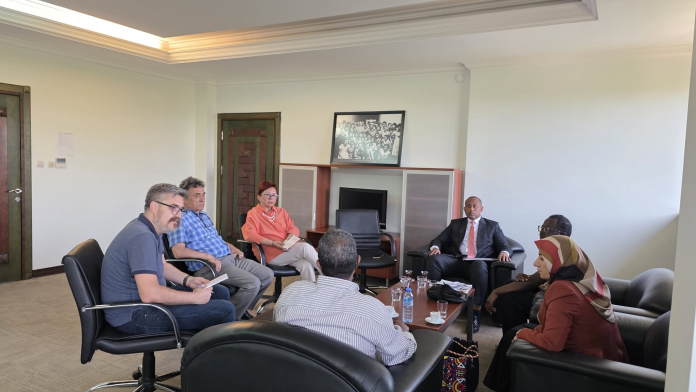
Mogadishu, Somalia – Daaru Salaam University (DSU) has successfully renewed its accreditation with the International Association for Quality Assurance in Pre-Tertiary & Higher Education (QAHE). This renewal highlights the university’s commitment to maintaining high academic standards and its ongoing mission to empower Somali youth through transformative education.

Founded in 2012 by a group of Somali scholars, DSU has established itself as a dynamic institution that integrates modern infrastructure with innovative teaching and research methodologies. The rigorous reaccreditation process conducted by QAHE evaluated various aspects of the university, including academic programs, faculty qualifications, governance structures, and student outcomes. The Daaru Salaam University QAHE accreditation process confirmed that DSU continues to meet and exceed international standards of excellence.

The renewal of QAHE accreditation also underscores DSU’s dedication to equipping students with practical skills and real-world experience. The university emphasizes work-based learning and maintains strong partnerships with both public and private sectors, positioning its graduates as leaders in national development.

QAHE congratulates Daaru Salaam University on this significant achievement and looks forward to supporting its continued journey toward educational leadership and global collaboration. For more information about QAHE’s accreditation framework and its network of accredited institutions, visit www.qahe.org.

Franklin International Business School Achieves QAHE Accreditation

0
Franklin International Business School accreditation

Franklin International Business School (FIBS), located in Port Harcourt, River State, Nigeria, has officially earned accreditation from the International Association for Quality Assurance in Pre-Tertiary & Higher Education (QAHE). This accreditation marks a significant achievement in FIBS’s commitment to academic excellence and enhances its reputation on the global stage.

FIBS is recognized for its innovative teaching methods and a curriculum focused on providing students with practical business and management skills relevant to both local and international markets. The institution aims to produce ethical leaders who are prepared to address the evolving challenges in today’s business environment.

The QAHE accreditation process evaluates various factors including faculty qualifications, academic programs, governance, and quality assurance systems. By meeting these rigorous standards, Franklin International Business School accreditation not only boosts its credibility but also facilitates greater opportunities for academic collaboration, student mobility, and increased confidence from employers.

This milestone reflects FIBS’s dedication to maintaining high educational standards and its ongoing mission to contribute positively to global business education. The institution looks forward to leveraging this accreditation to further enhance its programs and support the development of future business leaders.

For more information about QAHE’s accreditation process and other accredited institutions, visit www.qahe.org.

ATBC International College Renews QAHE Accreditation

0
ATBC International College

ATBC International College, also known as Ayeyarwady Technology & Business College, has successfully renewed its accreditation with the International Association for Quality Assurance in Pre-Tertiary and Higher Education (QAHE). Established in 2019, ATBC has emerged as a private educational institution in Yangon, focusing on business and management programs designed to align with current job market requirements.

The college offers a range of internationally recognized programs aimed at equipping students with practical knowledge and skills relevant to the workplace. The renewed accreditation by QAHE highlights ATBC’s commitment to maintaining educational standards and operational quality.

ATBC International College is accredited by the Ministry of Education (MOE) in Myanmar and collaborates with recognized universities and educational institutions globally. This collaboration ensures that its diploma and master’s programs meet international academic standards.

The college aims to support the development of businesses and organizations essential to Myanmar’s economic growth. By emphasizing innovative teaching methods and leadership development, ATBC contributes to preparing future leaders in the region.

The renewal of QAHE accreditation reflects ATBC’s ongoing mission to create a dynamic learning environment for its students. QAHE’s accreditation process involves comprehensive evaluations of academic programs, faculty qualifications, and student support services to ensure adherence to high educational standards.

We acknowledge ATBC International College for this achievement and anticipate its continued role in the educational landscape of Myanmar.

QAHE Accreditation Awarded to Clarion College of Business and Technology

0
Clarion College QAHE accreditation

In July, 2025, Clarion College of Business and Technology reached a significant milestone by receiving accreditation from the International Association for Quality Assurance in Pre-Tertiary & Higher Education (QAHE). This accreditation is not merely a recognition of the college’s efforts but a testament to its unwavering commitment to delivering high-quality education and training that meets the evolving needs of students and the job market.

The Significance of Accreditation

Accreditation plays a crucial role in the higher education landscape. It serves as a benchmark for educational quality, ensuring that institutions adhere to established standards. For students and employers alike, accreditation signifies that a college provides a credible and competent educational experience. The QAHE accreditation process involved a comprehensive and rigorous evaluation of Clarion College’s academic programs, faculty qualifications, teaching resources, and student support services. This thorough review not only confirmed the college’s alignment with QAHE’s high standards but also highlighted its commitment to continuous improvement.

Diverse Program Offerings

At Clarion College, students have access to a wide range of programs tailored to meet diverse career aspirations. The college offers MBA degrees in fields such as Logistics, Project Management, and Human Resource Management. These programs are designed to equip students with the skills and knowledge necessary to excel in their chosen professions. By integrating both online and classroom learning, Clarion College provides flexible educational opportunities that cater to the needs of working professionals and ambitious individuals. This innovative approach allows students to balance their studies with personal and professional commitments, ultimately fostering a supportive learning environment.

Commitment to Continuous Improvement

One of the key aspects of the QAHE accreditation is the emphasis on continuous improvement. Clarion College’s dedication to enhancing its educational offerings is evident in its proactive measures to adapt and evolve. The college regularly seeks feedback from students and faculty, ensuring that its programs remain relevant and effective. This commitment to quality education not only benefits the students but also contributes to the overall advancement of the institution, reinforcing its reputation as a leader in business and technology education.

Global Connections and Opportunities

Achieving QAHE accreditation places Clarion College among a prestigious network of over 300 accredited institutions worldwide. This affiliation opens up new avenues for collaboration and partnerships, enhancing the college’s ability to provide students with rich educational experiences. By connecting with other accredited institutions, Clarion College can engage in joint programs, research initiatives, and exchange opportunities that further enrich its academic environment. This global perspective is vital in today’s interconnected world, where understanding diverse viewpoints and practices is essential for success.

Conclusion

In conclusion, the accreditation awarded to Clarion College of Business and Technology by QAHE marks a significant achievement that underscores the institution’s commitment to quality education. It not only enhances the college’s credibility in the academic community but also positively impacts its students and the wider educational landscape. As Clarion College continues to uphold high standards and embrace opportunities for collaboration, it is poised to further its mission of providing exceptional education and training for future leaders in business and technology. Congratulations to Clarion College for this remarkable accomplishment, which will undoubtedly benefit its students and contribute to the advancement of education in the field.

Jozsef Peter Pallos Awarded Doctor of Excellence in Health Sciences and Biotechnology

0
Doctor of Excellence in Health Sciences and Biotechnology.

The International Association for Quality Assurance in Pre-Tertiary and Higher Education (QAHE) and Kennedy University (KU) are proud to announce that Dr. Jozsef Peter Pallos has been awarded the prestigious Doctor of Excellence in Health Sciences and Biotechnology.

Dr. Pallos, a distinguished leader in the pharmaceutical sector, currently serves as the CEO of PannonPharma Ltd. He has made significant contributions to pharmaceutical manufacturing, particularly in the development of active pharmaceutical ingredients (APIs) derived from both chemical and botanical sources. Under his leadership, PannonPharma has achieved notable growth and established rigorous regulatory compliance standards within the industry.

Dr. Pallos holds both a Master’s and a Bachelor’s degree in Chemical Engineering from Pannon University, providing him with a solid academic foundation. His extensive research in medicinal plants and biotechnology, particularly at the RIMPH Research Institute, underscores his commitment to advancing scientific knowledge and innovation in health sciences.

In addition to his leadership roles, Dr. Pallos has demonstrated a strong dedication to quality assurance systems and has held various managerial positions in prominent organizations. His research contributions include numerous publications and patents in health sciences and biotechnology, further illustrating his impact on the field.

This award acknowledges Dr. Pallos’s unwavering dedication to excellence and innovation, and we congratulate him on this remarkable achievement. We look forward to his continued contributions to the advancement of health sciences and biotechnology as a Doctor of Excellence in Health Sciences and Biotechnology.

Clarion College of Business and Technology Achieves QAHE Accreditation

0
Clarion College QAHE accreditation

Clarion College of Business and Technology has officially been awarded accreditation by the International Association for Quality Assurance in Pre-Tertiary & Higher Education (QAHE). This significant milestone highlights the college’s unwavering commitment to providing high-quality education and training to its students.

Offering a diverse array of programs, including MBA degrees in Logistics, Project Management, and Human Resource Management, Clarion College employs an innovative approach that blends online and classroom learning. This flexibility caters to the needs of both working professionals and aspiring students, ensuring that they receive industry-relevant education that is highly valued in the job market.

The accreditation process from QAHE involved a comprehensive evaluation of the college’s academic programs, faculty qualifications, teaching resources, and student support services. Clarion College demonstrated a strong alignment with QAHE’s rigorous standards, reflecting its dedication to continuous improvement and excellence in education.

With this accreditation, Clarion College joins a prestigious network of over 300 accredited institutions worldwide, solidifying its reputation as a leader in business and technology education. This recognition not only enhances the college’s credibility but also paves the way for new collaboration and growth opportunities in higher education.

The entire community at Clarion College celebrates this remarkable achievement, anticipating the positive impact it will have on students and the broader educational landscape.

Jozsef Peter Pallos Awarded Doctor of Excellence in Health Sciences and Biotechnology

0
Doctor of Excellence in Health Sciences

Jozsef Peter Pallos has been awarded the esteemed Doctor of Excellence in Health Sciences and Biotechnology, a prestigious honor jointly conferred by the International Association for Quality Assurance in Pre-Tertiary and Higher Education (QAHE) and Kennedy University (KU).

As the CEO of PannonPharma Ltd., Dr. Pallos is a prominent figure in the pharmaceutical industry, where he has made significant strides in the development of active pharmaceutical ingredients (API) from both chemical and botanical sources. His leadership has been crucial in driving growth and ensuring regulatory compliance at PannonPharma.

Dr. Pallos holds a Master’s and Bachelor’s degree in Chemical Engineering from Pannon University, which provides a robust academic foundation for his extensive work. He has made notable contributions to medicinal plant research and biotechnology, exemplified by his role at the RIMPH Research Institute for Medicinal Plants and Herbs.

Recognized for his expertise in quality assurance systems, Dr. Pallos has also held various leadership positions, including managing director roles in several prominent organizations. His commitment to research is demonstrated through numerous publications and patents in health sciences and biotechnology.

This award signifies Dr. Pallos’s dedication to excellence and innovation in the field. We extend our heartfelt congratulations to him on this remarkable achievement and look forward to his continued contributions to health sciences.