- Advertisement -spot_img
Home Blog Page 15

Understanding Social Media Addiction: A Growing Concern

0
social media addiction

As the digital landscape evolves, social media addiction has become a pressing issue, particularly among youth. This phenomenon is characterized by an overwhelming compulsion to engage with social media platforms, often despite negative consequences. The alarming impacts of excessive social media use on mental health, self-esteem, and overall well-being cannot be overlooked.

What is Social Media Addiction?

Social media addiction mirrors substance abuse disorders, where users find it increasingly difficult to detach from online interactions. This compulsive behavior can lead to detrimental effects, including anxiety, depression, and a decline in mental health. Individuals who struggle with this addiction often prioritize their online presence over real-world relationships and responsibilities.

Who is at Risk?

Research indicates that young people, especially teenagers, are particularly vulnerable to developing social media addiction. Factors such as low self-esteem, depression, and anxiety heighten this susceptibility. Many teens experience feelings of inadequacy due to constant comparisons with others online, which can exacerbate mental health issues, leading to anxiety and even eating disorders.

The Impact of Social Media Addiction

The effects of social media addiction are profound and multifaceted. Users frequently report feelings of isolation and neglect of real-world relationships. This addiction can also contribute to a decline in academic performance, as students may spend excessive time online instead of focusing on their studies. Furthermore, prolonged screen time can lead to physical health issues, as it reduces physical activity and encourages a sedentary lifestyle.

Recognizing the Signs

Recognizing the signs of social media addiction is crucial for early intervention. Common indicators include excessive time spent online, neglecting responsibilities, and experiencing anxiety when not engaging with social media. Awareness of these signs can prompt timely support and guidance for affected individuals.

Overcoming Social Media Addiction

Addressing social media addiction requires a comprehensive approach. Parents and guardians can play a pivotal role by encouraging digital detoxes and promoting alternative activities that foster real-world interactions. Open discussions about online experiences can also help create a supportive environment for young users.

Mental health professionals can provide therapeutic interventions, such as cognitive behavioral therapy (CBT), to assist individuals in developing healthier habits and coping mechanisms. These strategies can empower users to regain control over their social media engagement and improve their mental health.

Legal Considerations

As awareness of social media addiction continues to grow, so does the legal landscape surrounding it. Organizations like the Social Media Victims Law Center advocate for accountability among social media companies, emphasizing the need for safer online environments, particularly for minors. Legal frameworks are evolving to address the implications of social media use and protect vulnerable users.

Conclusion

In conclusion, social media addiction is a significant concern that warrants attention from parents, educators, and policymakers. By fostering awareness and providing support, we can help mitigate its effects and promote healthier online behaviors. It is essential to recognize the signs of addiction and take proactive steps to address this growing issue. For more in-depth information on social media addiction and its implications, resources like the Social Media Victims Law Center offer valuable insights.

Meta Faces Growing Legal Challenges Over Social Media Addiction

0
Meta lawsuits over social media addiction

As concerns about mental health continue to rise, an increasing number of families are turning to the legal system to seek justice against Meta Platforms, Inc., the parent company of Facebook and Instagram. These lawsuits are part of a broader movement aimed at holding social media companies accountable for the alleged harm their platforms cause, particularly to children and teenagers.

Ongoing Legal Actions

Meta is currently embroiled in numerous lawsuits that allege its social media platforms are intentionally designed to be addictive, contributing to serious mental health issues among young users. Notably, a significant lawsuit initiated by the Massachusetts Attorney General in 2023 has garnered attention for its claims that features like infinite scrolling and autoplay are deliberately crafted to keep users engaged at the expense of their well-being. A Massachusetts appeals court recently upheld this lawsuit, allowing it to proceed despite Meta’s attempts to dismiss the case.

This lawsuit is part of a larger multidistrict litigation (MDL) that has been ongoing since 2022 and now encompasses over 1,700 cases against Meta and other social media giants, including Snap and TikTok. The MDL aims to address the widespread allegations that these companies have knowingly created environments that foster addictive behaviors, particularly among vulnerable youth.

Meta’s Response and Public Perception

Despite the mounting evidence and legal challenges, Meta continues to deny these allegations, asserting that it remains committed to user safety. However, the company has faced significant scrutiny, particularly following incidents that have exposed its failures to protect users from harmful content. For example, in February 2025, a flood of graphic and violent content appeared on Instagram, including sexually explicit material and violent videos. This incident raised serious concerns about the platform’s ability to safeguard its users, especially minors, and prompted widespread criticism of Meta’s response.

Major news outlets reported extensively on this incident, highlighting the potential dangers that users, including children, face on the platform. Meta’s apology was deemed insufficient by many, as it failed to provide clarity on the scale and implications of the issue. Such incidents have fueled public skepticism regarding the company’s commitment to user safety and responsibility.

Legal Developments Involving Mark Zuckerberg

In a separate but related development, a U.S. District Judge recently ruled against holding Meta CEO Mark Zuckerberg personally liable in lawsuits alleging that he ignored warnings from employees about the dangers of Facebook and Instagram for children. This decision, made by Judge Yvonne Gonzalez Rogers, dismissed Zuckerberg as an individual defendant, stating that the revised complaint did not meet the necessary legal standards for corporate officer liability.

The judge’s ruling does not diminish the gravity of the allegations against Meta, which include claims that the company’s addictive designs have fueled a mental health crisis among youth. Families affected by these platforms are increasingly vocal about their experiences, seeking accountability and change in an industry that often prioritizes profit over user safety.

The Impact of Social Media on Mental Health

The mental health implications of social media use, particularly among teenagers, have been the focus of extensive research. Studies have shown that platforms like Facebook and Instagram contribute to a range of mental health issues, including anxiety, depression, and body image concerns. The algorithms employed by these platforms are designed to maximize engagement, often leading users to content that can exacerbate feelings of inadequacy and loneliness.

In light of these findings, many families have come forward to file lawsuits against Meta, claiming that their children have suffered significant harm as a result of using these platforms. Common allegations include addiction, self-harm, and even suicide attempts, highlighting the urgent need for systemic change within the industry.

The Role of Frances Haugen

The issue gained further traction following revelations from Frances Haugen, a former Facebook employee who leaked internal documents that outlined the company’s awareness of the harm its platforms could cause. Haugen’s disclosures have fueled public outrage and prompted many families to take legal action against Meta, as they seek to hold the company accountable for its practices.

Haugen’s testimony emphasized the need for social media companies to prioritize user safety over profit. She argued that the algorithms designed to maximize engagement often lead to harmful outcomes, particularly for young users who are more susceptible to the negative impact of social media.

Legal Recourse for Affected Families

For families who believe their children have been harmed by Meta’s platforms, legal recourse is available. Parents can file lawsuits on behalf of their children, particularly if those children were born after 2000 and have experienced physical or mental harm due to their use of Facebook or Instagram. Common claims include instances of anxiety, depression, self-harm, and eating disorders.

Potential damages in these lawsuits can cover medical treatment, therapy costs, and compensation for pain and suffering. Additionally, punitive damages may be sought to deter future harmful practices by Meta and other social media companies.

The Future of Social Media Regulation

As the number of lawsuits against Meta continues to grow, the conversation around social media regulation is becoming increasingly urgent. Many advocates argue that social media companies should be held to higher standards of accountability, especially concerning their impact on vulnerable populations like children and teenagers.

There is a growing consensus that legislative action may be necessary to address the systemic issues within the social media industry. As more families share their stories and seek justice, the pressure on social media companies to implement safer practices and prioritize user well-being is likely to increase.

Conclusion

The ongoing legal battles facing Meta highlight the complex relationship between social media, mental health, and corporate responsibility. With increasing public awareness and advocacy, it is clear that the conversation around social media addiction and its effects on youth is far from over. As families continue to pursue legal action against Meta, the outcomes of these lawsuits could have significant implications for the future of social media regulation and user safety.

Lawsuit Filed Against Social Media Companies on World Mental Health Day

0
social media harm lawsuit

On October 10, 2024, the Social Media Victims Law Center (SMVLC) filed a groundbreaking lawsuit against major social media companies, including Meta, ByteDance, Google, and Discord, coinciding with World Mental Health Day. This legal action highlights the alleged dangers of social media products, particularly their addictive nature and harmful effects on children and teenagers.

The lawsuit was initiated on behalf of 11 families from the United States and Canada whose children, aged between 12 and 19, have suffered significant mental and physical harm attributed to their use of social media platforms. The SMVLC asserts that these companies deliberately design their products to be addictive, targeting vulnerable young users without providing adequate safeguards.

Matthew P. Bergman, the founding attorney of SMVLC, emphasizes the urgent need to address this issue, stating, “There can be no doubt that social media companies are preying on our children with a product that is designed to ‘hook’ them like an addictive drug.” He highlights a societal shift as parents, researchers, and governments begin to recognize and mobilize against the dangers posed by these platforms.

The lawsuit details a range of severe consequences linked to social media use, including anxiety, depression, suicidal ideation, sextortion, and various eating and substance use disorders. The complaint cites evidence indicating that social media companies have knowingly ignored the risks associated with their products, continuing to market addictive features and algorithms that exacerbate mental health issues among minors.

One particularly poignant case mentioned in the lawsuit is that of Amanda Todd, a Canadian teenager who tragically took her own life in 2012 after being a victim of sextortion. Amanda’s story underscores the catastrophic impact of social media abuse, as she faced relentless online harassment after sharing compromising images with a stranger. Her experiences reveal the profound psychological toll that social media can inflict on young users.

The SMVLC’s lawsuit is part of a larger trend, as it marks the 338th case filed against social media companies within California’s Judicial Council Coordination Proceedings (JCCP). To date, there are a total of 745 lawsuits in this coordinated effort to hold social media companies accountable for the harm they inflict on children and teenagers.

Families involved in the lawsuit share heartbreaking stories. Braden Markus, for example, was a bright and athletic 15-year-old who became a victim of sextortion through Instagram. After being manipulated by an online predator, Braden tragically died by suicide, highlighting the devastating consequences of social media exploitation. His story, like many others, calls attention to the urgent need for regulatory action and consumer protection.

Another case involves a 12-year-old girl, referred to as “G.B.,” who began using Snapchat and TikTok at a young age, leading to emotional and mental turmoil. Her parents reported significant changes in her behavior, as she lost interest in family activities and began engaging in self-harm. The lawsuit contends that these platforms’ addictive qualities contributed to her deteriorating mental health.

The broader implications of this lawsuit resonate beyond individual cases. It raises critical questions about the responsibility of social media companies in safeguarding their young users. As more families come forward with similar experiences, the demand for accountability and change in the industry grows stronger.

The SMVLC aims to challenge these companies to prioritize consumer safety and implement robust measures to protect minors. By leveraging principles of product liability, the organization seeks to ensure that social media platforms are designed with user safety in mind, rather than profit maximization.

As the world grapples with a growing mental health crisis exacerbated by social media, this lawsuit serves as a rallying cry for change. It not only highlights the need for legal accountability but also emphasizes the importance of raising awareness about the potential dangers of social media use among young people.

In conclusion, the lawsuit filed by the SMVLC on World Mental Health Day is a significant step toward addressing the harmful effects of social media on youth. By holding these companies accountable, the SMVLC hopes to foster a safer online environment for future generations, where mental health is prioritized, and users are protected from the predatory practices of social media platforms.

QAHE Endorses DOLPA-EA/ANU International Multidisciplinary Conference

0
International Multidisciplinary Conference

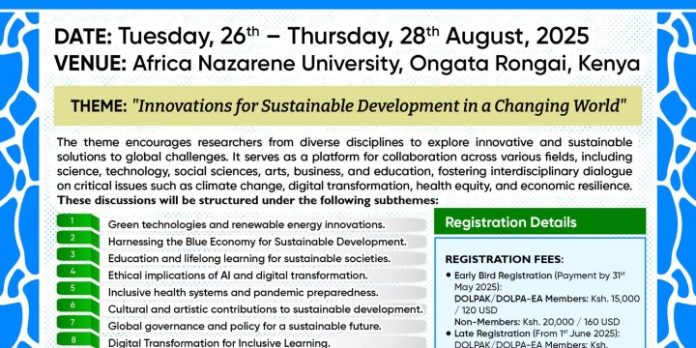
The International Association for Quality Assurance in Pre-Tertiary and Higher Education (QAHE) has announced its support for the upcoming DOLPA-EA/ANU International Multidisciplinary Conference, set to take place from August 26th to 28th, 2025, at Africa Nazarene University in Ongata Rongai, Kenya. This significant event is organized in partnership with the Distance Open and eLearning Practitioners’ Association of East Africa (DOLPA-EA).

The conference theme, “Innovations for Sustainable Development in a Changing World,” invites scholars, educators, and professionals from diverse disciplines to explore innovative solutions to global challenges. The event aims to foster interdisciplinary dialogue across fields such as science, technology, social sciences, arts, business, and education. Key topics include climate change, digital transformation, health equity, and economic resilience, providing a robust platform for discussing sustainable development strategies.

Participants are encouraged to submit abstracts by the April 30, 2025 deadline. Sub-themes will cover crucial areas such as green technologies, renewable energy innovations, and the ethical implications of artificial intelligence. This conference will serve as a vital forum for sharing insights and best practices aimed at promoting sustainable societies.

QAHE emphasizes the importance of collaborative efforts in enhancing educational quality and driving innovation. By endorsing this conference, QAHE aims to contribute to the global discourse on sustainable development and empower individuals and institutions to implement effective solutions.

Participants can register online, utilizing various payment methods, including bank transfers and M-PESA.

For more information about the conference, including registration details and abstract submission guidelines, please visit the official conference website at conference.dolpaea.org.

QAHE encourages all interested parties to participate in this pivotal event, which aims to advance knowledge and collaboration in the pursuit of sustainable development goals. Join us in making a meaningful impact on the future of education and global well-being.

Empowering Lives: The Mission of Helping Hand India NGO

0
Helping Hand India NGO

In a world where challenges abound, organizations that dedicate themselves to uplifting communities are invaluable. Helping Hand India (HHI) is one such non-governmental organization that has been making a significant impact in the lives of many across India. Founded with the vision of creating a better tomorrow, HHI focuses on various social issues, including education, healthcare, women’s empowerment, and rural development.

A Commitment to Education

Education is the cornerstone of progress, and Helping Hand India places a strong emphasis on providing quality education to underprivileged children. The organization runs multiple educational programs that aim to bridge the gap between the privileged and the underprivileged. Through initiatives like scholarship programs, free tutoring, and the establishment of learning centers in rural areas, HHI ensures that children have access to the education they deserve.

One of the flagship programs is the “Back to School” initiative, which helps children who have dropped out of school due to financial constraints or family issues. HHI works tirelessly to reintegrate these children into the educational system, providing them with the necessary resources such as books, uniforms, and school supplies. By fostering a supportive learning environment, HHI not only empowers children academically but also instills a sense of hope and ambition for their futures.

Health and Well-Being

Access to healthcare is a fundamental human right, yet many communities in India face significant barriers to receiving medical attention. Helping Hand India addresses this pressing issue by organizing health camps, awareness programs, and providing essential medical supplies to underserved areas. The organization collaborates with healthcare professionals to offer free medical check-ups, vaccinations, and health education, ensuring that communities are informed about preventive care and healthy living.

Moreover, HHI runs programs focused on maternal and child health, providing prenatal and postnatal care to expectant mothers. By educating families about nutrition and hygiene, HHI plays a crucial role in improving health outcomes for both mothers and their children, ultimately contributing to a healthier society.

Women’s Empowerment

Empowering women is essential for societal progress, and Helping Hand India is dedicated to supporting women in achieving their full potential. The organization runs skill development programs that provide women with training in various trades, such as tailoring, handicrafts, and computer skills. By equipping women with these skills, HHI enables them to become financially independent and contribute to their families and communities.

In addition to vocational training, HHI emphasizes the importance of women’s health and rights. The organization conducts workshops to raise awareness about gender equality, reproductive health, and legal rights, empowering women to advocate for themselves and their communities.

Rural Development Initiatives

Helping Hand India recognizes that rural communities often face unique challenges, from lack of infrastructure to limited access to resources. To address these issues, HHI implements various rural development initiatives aimed at improving living conditions and promoting sustainable practices.

One of the notable projects is the promotion of sustainable agriculture practices. HHI provides training to farmers on organic farming techniques, helping them increase their yields while preserving the environment. By supporting farmers in adopting sustainable practices, HHI not only enhances food security but also contributes to the overall well-being of rural communities.

How You Can Help

Helping Hand India is a testament to the power of collective action in driving social change. However, the organization’s ability to make a difference relies heavily on the support of individuals and communities. There are several ways you can contribute to HHI’s mission:

  1. Donate: Financial contributions, no matter how small, can significantly impact the lives of those in need. Your donations can help fund educational programs, health camps, and women’s empowerment initiatives.
  2. Volunteer: Get involved by volunteering your time and skills. Whether you have expertise in education, healthcare, or community development, your involvement can make a difference.
  3. Spread the Word: Share HHI’s mission and initiatives within your network. Raising awareness can help attract more supporters and resources to the organization.
  4. Corporate Partnerships: If you represent a business, consider partnering with HHI for corporate social responsibility initiatives. Together, you can contribute to meaningful change in the community.

Conclusion

Helping Hand India is more than just an NGO; it is a movement towards a brighter future for countless individuals and communities. By addressing critical social issues and empowering those in need, HHI is creating a ripple effect of positive change across India. Join the cause today and be a part of this transformative journey. Together, we can help build a better tomorrow for all. For more information, visit helpinghandindiango.org.

QAHE Welcomes the Accreditation of the Faculty of Dentistry at Al-Turath University

0
Faculty of Dentistry accreditation

The International Association for Quality Assurance in Pre-Tertiary and Higher Education (QAHE) is thrilled to announce the accreditation of the Faculty of Dentistry at Al-Turath University. Initially established in 2018 as an academic extension of the university, which has a rich history dating back to 1988, the Faculty has consistently demonstrated a commitment to advancing dental education, clinical excellence, and scientific research. This accreditation marks a significant milestone in its mission to foster innovation and academic distinction in Iraq.

Since its inception, the Faculty of Dentistry has been dedicated to providing a comprehensive range of resources to support students in their independent study and research activities. The facility boasts a fully equipped medical and dental library, featuring an extensive selection of up-to-date textbooks, reference materials, academic journals, and electronic databases. High-speed internet access and computer laboratories facilitate online research, enabling students to access scientific journals and utilize specialized dental software effectively.

In addition to its library resources, the Faculty maintains modern pre-clinical and clinical laboratories equipped with advanced dental simulation units and research-grade equipment. This state-of-the-art infrastructure allows students to develop practical skills and engage in experimental work, crucial for their hands-on learning experience. To promote flexible learning, students receive both printed and electronic copies of lectures and educational materials, ensuring they have all the tools necessary for successful learning.

The leadership team at the Faculty of Dentistry includes distinguished professionals dedicated to academic excellence. Prof. Abdulkareem Alazawi Jaseem serves as Vice Dean for Scientific Affairs, while Dr. Salah Abdul Mahdi Ismail holds the position of Vice Dean for Administrative Affairs. Key figures also include Dr. Ahmed Basheer Ayyed, Head of the Quality Assurance Unit, and department heads like Dr. Saad Yassin Nouri for Prosthodontics and Prof. Dr. Rajaa Hadi Abbas for Oral Diagnosis and Pathology. Their collective expertise plays a vital role in shaping the Faculty’s academic environment.

QAHE’s accreditation process involved a rigorous evaluation of the Faculty’s academic programs, faculty qualifications, and student services. This thorough assessment ensures that the institution meets the necessary benchmarks for quality education, positioning it among a select group of accredited institutions recognized for their commitment to high standards.

The accreditation of the Faculty of Dentistry will not only enhance its academic offerings but also facilitate opportunities for international collaboration and exchange programs, enriching the educational experience for students. QAHE is dedicated to continuing its partnership with the Faculty of Dentistry and supporting its initiatives in dental education and research.

This achievement underscores Al-Turath University’s commitment to excellence in education and its pivotal role in shaping the future of dental professionals in Iraq. As the Faculty of Dentistry continues to innovate and excel, it stands as a beacon of quality education and a model for other institutions in the region.

For more information about QAHE and its accreditation services, please visit our website at www.qahe.org.

International Conference on Quality Assurance in Higher Education Set for August 2025

0
quality assurance in higher education

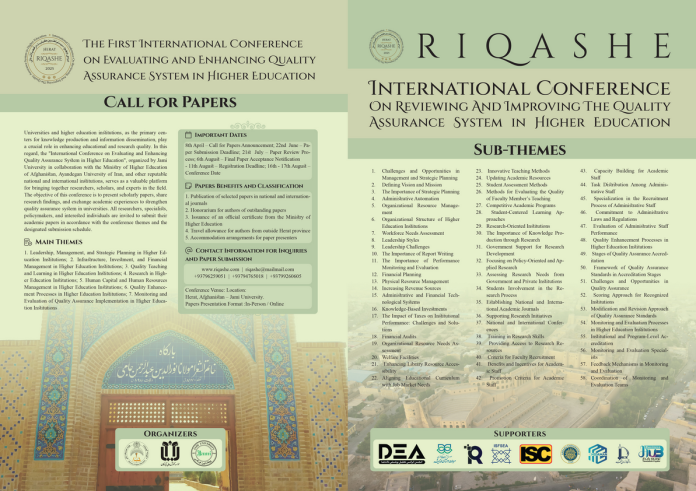
The International Association for Quality Assurance in Pre-Tertiary and Higher Education (QAHE) is excited to announce the upcoming International Conference on Reviewing and Improving the Quality Assurance System in Higher Education (RIQASHE), scheduled for August 16-17, 2025. The conference will take place at Jami University in Herat, Afghanistan, in collaboration with the Ministry of Higher Education of Afghanistan, Ayandegan University of Iran, and several esteemed national and international academic institutions.

RIQASHE aims to serve as a dynamic platform for academics, researchers, policymakers, and quality assurance experts to exchange insights, share research findings, and collaboratively address contemporary challenges in quality assurance within higher education. The conference will cover various thematic areas, including:

  • Leadership, Management, and Strategic Planning
  • Infrastructure, Investment, and Financial Management
  • Innovative Approaches to Quality Teaching and Learning
  • Research Development and Innovation
  • Human Capital and Resource Management
  • Quality Enhancement Processes and Accreditation
  • Monitoring and Evaluation Mechanisms

The conference invites faculty members, researchers, and postgraduate students to submit research articles aligned with these themes. Notable benefits for participants include publication opportunities in peer-reviewed journals, official certification endorsed by the Ministry of Higher Education, and recognition for outstanding research papers.

Key deadlines include the call for papers announcement on April 8, the paper submission deadline on June 22, and the notification of acceptance on August 6. Participants will also have flexible options for in-person or virtual presentations.

For more information about submissions, registration, and inquiries, interested parties can contact the conference organizers at info.riqashe@jami.edu.af or visit the official website at www.riqashe.com.

This conference represents a significant opportunity for dialogue and collaboration aimed at enhancing quality assurance practices in higher education globally. QAHE looks forward to welcoming participants to this important event in Herat.

Strengthening Educational Standards: The Role of QAHE’s Partnerships

0
QAHE educational partnerships

In the realm of education, the importance of maintaining high standards cannot be overstated. As the landscape of educational institutions evolves, the need for robust quality assurance mechanisms becomes increasingly vital. The International Association for Quality Assurance in Pre-Tertiary and Higher Education (QAHE) recognizes this necessity and has established a network of esteemed partners dedicated to enhancing educational quality globally. This article explores the significance of QAHE’s partnerships and how they contribute to the advancement of quality assurance in education.

The Importance of Partnerships in Education

Education is a collaborative endeavor, and partnerships play a crucial role in fostering an environment of continuous improvement. By collaborating with various accrediting bodies and organizations, QAHE aligns its accreditation processes with globally recognized standards. This alignment ensures that institutions seeking accreditation meet rigorous quality benchmarks, ultimately benefiting students and communities.

QAHE’s partnerships extend beyond national borders, encompassing both international and regional accrediting agencies. This diversity enriches the collective capability to evaluate and support educational programs, promoting accountability and transparency across the education sector. By working together, these organizations can share best practices, resources, and insights, enhancing the overall quality of education.

Notable QAHE Partnerships

Among QAHE’s prominent partners is the National Agency for Quality Assurance in Education and Research (ANACEC) in Moldova. This collaboration underscores a shared commitment to improving quality assurance practices and educational standards within the region. By aligning efforts, both organizations aim to foster an educational environment that prioritizes excellence and accountability.

Another significant partnership is with the Accreditation and Rating International Agency (ARIA) in Uzbekistan. This collaboration facilitates reciprocal recognition of accredited institutions, promoting academic collaboration and mobility. Such partnerships are essential for creating pathways that enhance the educational experience for students across borders.

Additionally, QAHE engages with the Independent Accreditation Agency “Elbaasy” in the Kyrgyz Republic, which is dedicated to enhancing educational quality through rigorous accreditation processes. This partnership is pivotal in ensuring that institutions in the region adhere to high standards, ultimately benefiting students and the community.

In Europe, the collaboration with the Foundation for International Business Administration Accreditation (FIBAA) in Germany strengthens QAHE’s efforts to uphold international standards in business education. This partnership enhances the credibility of business programs and provides institutions with the tools needed to compete in a globalized educational landscape.

Regional Collaborations

QAHE also collaborates with regional organizations like the Ghana National Council of Private Schools (GNACOPS). This partnership plays a vital role in shaping the education landscape across Ghana, ensuring that private educational institutions meet established quality standards. By working closely with local organizations, QAHE can address specific regional challenges and contribute to the overall improvement of education.

Another noteworthy collaboration is with the Tamilnadu Council for Open and Distance Learning (TCODL) in India. This partnership marks a significant milestone in promoting quality assurance in open and distance education, a sector that is rapidly expanding and evolving. By focusing on this area, QAHE and TCODL aim to enhance educational access and opportunities for learners in diverse contexts.

Global Impact and Commitment

QAHE’s partnerships extend globally, with collaborations that emphasize a commitment to elevating educational standards. The Arab Organization for Quality Assurance in Education (AROQA) focuses on improving educational quality in the Arab world. This partnership is essential in addressing the unique challenges faced by educational institutions in the region and promoting a culture of quality assurance.

Furthermore, the collaboration with the International Confederation of Higher Education (ICHE) exemplifies QAHE’s dedication to fostering global best practices in quality assurance. By working together, these organizations can create frameworks that ensure educational institutions not only meet but exceed quality expectations.

QAHE has also established partnerships with the Independent Institute for Accreditation, Rating, and Certification (IARC/NIARS) in the Kyrgyz Republic and the Agency for Accreditation of Educational Programs and Organizations (AAEPO). These partnerships aim to improve the competitiveness of vocational education in the region, ensuring that institutions provide relevant and high-quality training for students.

The collaboration with the Agency of Quality and Rating Accreditation (AQRA) in the Kyrgyz Republic further reinforces QAHE’s commitment to enhancing educational quality. By aligning efforts, these organizations can share expertise and resources, ultimately benefiting students and educators alike.

Supporting Sustainable Development Goals

QAHE proudly supports the Sustainable Development Goals (SDGs), particularly Goal 4, which emphasizes the importance of inclusive and equitable quality education. By fostering partnerships and promoting quality assurance practices, QAHE and its partners contribute to creating educational opportunities for all learners, regardless of their background.

Moreover, the collaboration with the Distance, Open and e-Learning Practitioners’ Association of East Africa (DOLPA-EA) highlights the commitment to ensuring access to education as a fundamental human right. Together, they work toward breaking down barriers to education and creating innovative solutions that empower learners.

Conclusion

In conclusion, the partnerships established by QAHE play a critical role in enhancing the quality of education globally. By collaborating with esteemed accrediting bodies and organizations, QAHE fosters a culture of continuous improvement, accountability, and transparency in educational practices. These partnerships not only benefit institutions seeking accreditation but also contribute to the overall advancement of education worldwide.

As QAHE continues to expand its network of partners, it remains committed to its mission of ensuring that every learner receives a high-quality education that meets their needs and aspirations. Through collaboration and shared goals, QAHE and its partners are paving the way for a brighter future in education. For more information about QAHE and its partnerships, visit www.qahe.org.

Navigating Financial Difficulties: Strategies for Institutions to Raise Funding in Developing Countries

0
funding strategies for institutions

In the face of financial difficulties, educational institutions in developing countries often find themselves at a crossroads. Limited resources, rising operational costs, and decreasing enrollment can pose significant challenges to their sustainability and growth. However, there are several strategies that these institutions can adopt to raise funding and secure their future. From diversifying income streams to fostering community partnerships, this article will explore effective methods for institutions to navigate financial hardships.

Diversifying Funding Sources

One of the most effective strategies for institutions facing financial difficulties is to diversify their funding sources. Relying solely on government funding or tuition fees can be risky, especially during economic downturns. Institutions should explore alternative revenue streams, such as grants, donations, and private partnerships. By applying for grants from international organizations, foundations, and government agencies, institutions can secure funds for specific projects or initiatives. Additionally, engaging alumni for donations can create a sustainable source of funding. Alumni often have a vested interest in their alma mater’s success and may be willing to contribute financially.

Establishing Partnerships

Building partnerships with local businesses, NGOs, and community organizations can provide institutions with additional resources and support. Collaborative initiatives can lead to shared funding opportunities, joint programs, and resource sharing. For instance, partnering with local businesses for internships or training programs can create mutually beneficial relationships that enhance students’ employability while providing businesses with a skilled workforce. These partnerships can also open doors to sponsorship opportunities, where businesses may fund scholarships or specific programs in exchange for visibility and community goodwill.

Embracing Technology and Online Learning

The rise of digital education presents institutions with new funding opportunities. By developing online courses or programs, institutions can reach a broader audience, including international students, who may be willing to pay higher tuition fees. Online learning not only reduces operational costs but also increases enrollment potential. Institutions can also explore micro-credentialing or short courses that cater to specific skill sets in demand in the job market. By offering flexible learning options, institutions can attract diverse learners and generate additional revenue.

Implementing Fundraising Campaigns

Conducting targeted fundraising campaigns can also be an effective way to raise funds. Institutions can launch campaigns focused on specific needs, such as infrastructure development, scholarships, or research initiatives. Utilizing social media platforms and crowdfunding websites can amplify these efforts by reaching a global audience. By sharing compelling stories about the institution’s impact and the challenges it faces, institutions can connect with potential donors who resonate with their mission. Engaging students, faculty, and alumni in these campaigns can further enhance visibility and support.

Leveraging Government and International Support

In many developing countries, government programs and international organizations offer financial support for educational institutions. Institutions should actively seek out these opportunities and engage with governmental bodies to explore funding options. Many governments have initiatives aimed at improving education, especially in underserved areas, and institutions can position themselves as key players in these efforts. Additionally, international organizations often have programs designed to bolster education in developing countries, providing grants and resources for capacity building.

Enhancing Community Engagement

Building strong ties with the local community can also lead to increased funding. Institutions should engage with community members, local leaders, and parents to foster a sense of ownership and pride in the institution. Hosting community events, workshops, and open houses can raise awareness about the institution’s needs and achievements, encouraging community members to contribute financially or in-kind. By demonstrating the institution’s value to the community, institutions can cultivate a supportive environment that is more likely to contribute to its funding needs.

Developing a Robust Marketing Strategy

A well-planned marketing strategy can help institutions attract more students and funding. By highlighting unique programs, success stories, and community impact, institutions can enhance their visibility and appeal. Utilizing digital marketing, social media, and traditional advertising can help reach prospective students and potential donors. Institutions should also focus on building a strong online presence, showcasing their achievements, and engaging with their audience through regular updates and success stories.

Creating Endowment Funds

Establishing an endowment fund can provide long-term financial stability for institutions. Endowment funds are designed to generate income through investments, allowing institutions to rely on the interest generated for operational costs, scholarships, and program funding. While building an endowment takes time and initial capital, it can create a sustainable source of funding that supports the institution’s mission for years to come. Institutions can engage alumni and community members in this effort, encouraging them to contribute to a fund that will benefit future generations.

Prioritizing Financial Management and Accountability

Effective financial management is crucial for institutions seeking to navigate financial difficulties. Institutions should prioritize transparency and accountability in their financial practices, ensuring that funds are managed efficiently and responsibly. Regular financial audits, clear budgeting processes, and transparent reporting can build trust with stakeholders, including donors and government agencies. By demonstrating sound financial practices, institutions can enhance their credibility and attractiveness to potential funders.

Conclusion

In conclusion, educational institutions in developing countries face significant financial challenges, but there are numerous strategies they can employ to raise funding and secure their future. By diversifying funding sources, establishing partnerships, embracing technology, and engaging with the community, institutions can create sustainable financial models that support their mission. With a proactive approach to fundraising and financial management, institutions can navigate financial difficulties and continue to provide quality education to their students. Ultimately, the resilience and creativity of these institutions will play a crucial role in shaping the future of education in their regions.

Celebrate Excellence with the Young Achiever Award from QAHE

0
Young Achiever Award by QAHE

In today’s competitive educational landscape, recognizing and celebrating the achievements of young individuals is more important than ever. The International Association for Quality Assurance in Pre-Tertiary and Higher Education (QAHE) understands this need and has established the Young Achiever Award to honor exceptional young talents. This prestigious award aims to spotlight students who demonstrate outstanding academic performance, leadership qualities, and a commitment to community service.

The Young Achiever Award is open to students aged between 12 and 25 years. It seeks to encourage young individuals to strive for excellence in their academic pursuits while recognizing their contributions to society. By highlighting the importance of academic excellence, leadership, and community service, the award aims to foster the development of well-rounded individuals who can positively impact their communities.

One of the unique aspects of the Young Achiever Award is its inclusive approach. The selection process involves a comprehensive review of academic records, extracurricular activities, community service, and leadership skills. This holistic evaluation ensures that all deserving candidates are considered based on their merits and contributions.

In the current climate, where safety is paramount, QAHE has adapted to ensure that the award remains accessible. Instead of a physical ceremony, winners will receive a digital certificate and be recognized on QAHE’s official website and social media platforms. This approach not only prioritizes safety but also allows for broader recognition of the awardees, reaching a global audience.

To support the administrative costs associated with processing applications, a nominal administrative fee of US$400 is required from eligible applicants. However, in recognition of the financial challenges some may face, QAHE offers a 20% discount for candidates from developing countries. This commitment to affordability reflects QAHE’s dedication to promoting excellence in education for all, regardless of economic background.

The Young Achiever Award is more than just a recognition; it is a testament to QAHE’s commitment to nurturing the next generation of leaders. By honoring exceptional academic achievements, QAHE inspires young individuals to reach their full potential. This award serves as a powerful motivator for students to continue excelling in their studies and contributing positively to their communities.

In conclusion, the Young Achiever Award is a wonderful opportunity for young talents to gain recognition for their hard work and dedication. QAHE encourages educators, parents, and community leaders to nominate outstanding young individuals who exemplify excellence in academics, leadership, and service. Together, we can celebrate the achievements of our youth and inspire them to strive for greatness.

To learn more about the Young Achiever Award and to apply, visit QAHE’s official page. Let us honor the bright minds of tomorrow and help them shine even brighter!