spot_img
Home Blog Page 33

The Global Phenomenon of Boys’ Love (BL) Series: A Cultural Exploration

0
Boys’ Love (BL) series

Boys’ Love (BL) series have emerged as a significant cultural phenomenon worldwide, transcending borders and resonating with diverse audiences. Originating in Japan, this genre has gained immense popularity across Asia and beyond, capturing the hearts of viewers with its romantic narratives centered around male relationships. In this article, we explore the evolution, impact, and global reach of BL series, highlighting their significance in contemporary media.

1. The Origins of BL: A Japanese Cultural Export

The BL genre began in Japan in the late 1970s and early 1980s, primarily through manga and anime. Initially targeting a female audience, these stories explored romantic relationships between male characters, often with a focus on emotional depth and character development. Titles like “Boys Over Flowers” and “Junjou Romantica” laid the groundwork for the genre, paving the way for more complex narratives that appealed to a broader demographic.

Over the years, BL has evolved, finding its way into live-action adaptations, which have further popularized the genre. The success of series like “Sekaichi Hatsukoi” and “Yarichin Bitch Club” demonstrated that there was a significant appetite for these stories beyond manga and anime.

2. The Rise of Thai BL Series

In recent years, Thailand has become a powerhouse in the BL genre, producing numerous series that have gained international acclaim. Shows like 2gether: The Series, TharnType, and Love By Chance have captivated audiences across Southeast Asia and beyond. Thai BL series often blend romance with comedy, drama, or fantasy, creating engaging stories that resonate with young viewers.

Several factors contribute to the rise of Thai BL. The country’s relatively progressive stance on LGBTQ+ issues, compared to its neighbors, has encouraged more inclusive storytelling. Additionally, a dedicated fanbase and the growing accessibility of streaming platforms have helped expand the genre’s reach. These series have opened the door for more inclusive storytelling, allowing for authentic representations of LGBTQ+ relationships.

3. The Impact of Social Media and Streaming Platforms

The proliferation of social media has played a crucial role in the global spread of BL series. Platforms like Twitter, Instagram, and TikTok have allowed fans to connect, share their love for shows, and even create fan art and fanfiction. Hashtags related to popular series have trended worldwide, generating discussions and fostering communities centered around these narratives.

Streaming platforms such as Netflix, VIU, and iQIYI have also contributed significantly to the accessibility of BL content. By providing subtitles in multiple languages, these platforms have expanded the audience base, allowing non-Asian viewers to engage with the genre. This increased visibility has led to a growing appreciation for BL stories and the cultural nuances they represent.

4. Cultural Exchange and Localization

The success of BL series has sparked interest in localized adaptations in various countries. In recent years, Thailand has become a powerhouse in the BL genre, producing numerous series that have gained international acclaim. Shows like 2gether: The Series, TharnType, and Love By Chance have captivated audiences across Southeast Asia and beyond. Thai BL series often blend romance with comedy, drama, and fantasy, making them highly engaging for young viewers.

Several factors have contributed to the rise of Thai BL. Compared to its neighbors, Thailand has a relatively progressive stance on LGBTQ+ issues. Additionally, a passionate fanbase and the growing accessibility of streaming platforms have fueled the genre’s success. As a result, Thai BL series continue to gain popularity worldwide. They provide a platform for discussions around acceptance, love, and identity, contributing to a more inclusive narrative landscape.

5. Challenges and Controversies

Despite the growing popularity of BL series, challenges remain. Many productions still face censorship and backlash in regions where LGBTQ+ narratives are not widely accepted. In some cases, shows are forced to alter storylines or characters to comply with local regulations, which can dilute the authenticity of the narrative.

Additionally, the commercialization of the Boys’ Love (BL) series genre raises questions about representation. As more companies seek to capitalize on the BL trend, there is concern that the focus may shift from genuine storytelling to profit-driven content. Maintaining the integrity of the narratives while ensuring diverse and accurate representations is crucial for the genre’s longevity.

6. The Future of BL Series

The future of BL series appears promising, with an expanding global audience and increasing acceptance of LGBTQ+ narratives. As more creators from different cultural backgrounds enter the scene, the genre is likely to evolve further, exploring new themes and storylines that reflect contemporary issues.

The growing support for LGBTQ+ rights worldwide suggests that the BL series will continue to thrive as a medium for exploring love and identity. By pushing boundaries and challenging societal norms, these stories can foster understanding and acceptance, ultimately contributing to a more inclusive world.

Conclusion

Boys’ Love series have transcended their origins to become a global phenomenon, captivating audiences with their heartfelt narratives and relatable characters. The genre’s evolution—from Japanese manga to Thai dramas and beyond—highlights the power of storytelling in bridging cultural divides. As BL continues to gain traction worldwide, it not only entertains but also serves as a vital platform for discussions around love, identity, and acceptance. The future of BL is bright, promising even more diverse and impactful stories that resonate with viewers across the globe.


Trump, the Stock Market, and Brexit: Interconnected Economic Dynamics

0
stock market

The intersection of politics and economics has never been more evident than in Donald Trump’s presidency, stock market fluctuations, and Brexit’s impact. Each of these events has shaped global economies, creating a complex chain of cause and effect. This article examines how Trump’s policies, market reactions, and Brexit interconnect in today’s economic landscape.

1. Trump’s Economic Policies and the Stock Market Surge

Donald Trump’s presidency, which began in January 2017, was marked by a series of economic policies aimed at stimulating growth. His administration implemented significant tax cuts, deregulation efforts, and a focus on domestic manufacturing, which were largely viewed as pro-business measures. These policies contributed to a substantial rally in the stock market, particularly in the early years of his presidency. The Dow Jones Industrial Average, for example, hit record highs, reflecting investor optimism around Trump’s economic agenda.

Investors responded positively to the promise of tax reform and deregulation, driving stock prices up in various sectors, particularly technology and finance. The corporate tax cut from 35% to 21% was seen as a boon for profits, leading to increased stock buybacks and dividends. This euphoria, however, was not without its volatility, as market reactions were closely tied to Trump’s often unpredictable political maneuvers and rhetoric.

2. Brexit: Economic Uncertainty and Market Response

On the other side of the Atlantic, Brexit emerged as a significant geopolitical event with profound economic implications. The United Kingdom’s decision to leave the European Union in June 2016 triggered immediate uncertainty in financial markets. The initial shock resulted in a sharp decline in the value of the British pound and heightened volatility in global markets.

Brexit’s implications reverberated far beyond the UK, affecting investor sentiment worldwide. Concerns over trade agreements, regulatory changes, and economic stability created a climate of uncertainty. As the negotiations unfolded, the stock market experienced fluctuations based on news and developments related to Brexit, often mirroring the sentiment surrounding Trump’s policies.

3. Interconnectedness of Global Markets

The interconnectedness of global markets means that events in one region can significantly impact others. Trump’s trade policies, including tariffs on Chinese goods, created tensions that influenced market dynamics not only in the U.S. but also in Europe and Asia. Investors became increasingly cautious, leading to market sell-offs in response to escalating trade disputes and geopolitical tensions.

The uncertainty surrounding Brexit further complicated this landscape. As the UK navigated its exit from the EU, investors worried about trade barriers and economic fallout. Trump’s policies and Brexit talks fueled market volatility, often driven by speculation rather than data.

4. The Impact on Investment Strategies

Both Trump’s presidency and Brexit have forced investors to reevaluate their strategies. The stock market’s response to political developments underscored the importance of being agile in a rapidly changing environment. Investors began to focus on sectors that could benefit from Trump’s policies, such as infrastructure and energy, while also considering how Brexit could reshape industries like finance and manufacturing.

This period also saw a rise in interest for safe-haven assets, such as gold and government bonds, as investors sought to mitigate risks associated with political uncertainty. The volatility prompted a more cautious approach, with a growing emphasis on diversification and risk management.

5. Long-Term Implications and Future Outlook

Trump’s presidency and Brexit continue to shape the stock market. The long-term impact remains uncertain, especially regarding trade deals and economic stability. Brexit’s outcome will influence investor confidence and market dynamics in Europe and beyond.

Trump’s policies will also affect the economy for years. Ongoing debates on taxation, regulation, and trade will keep the stock market sensitive to political shifts. Global economies are deeply connected, so investors must monitor both U.S. and UK policies and their international effects.

Conclusion

The interplay between Trump’s economic policies, the stock market, and Brexit illustrates the intricate relationships that define modern economics. As political decisions continue to influence market dynamics, understanding these connections becomes essential for investors and policymakers alike. The future will undoubtedly bring new challenges and opportunities, underscoring the importance of strategic thinking in navigating a complex global landscape. By remaining vigilant and adaptable, stakeholders can better position themselves to thrive in an ever-evolving economic environment.

“It Ends With Us”: A Deep Dive into the Conflicts and Themes

0
It Ends With Us

Colleen Hoover’s novel “It Ends With Us” has captivated readers with its poignant exploration of love, resilience, and the complexities of relationships. The story centers around Lily Bloom, a young woman navigating her feelings for Ryle Kincaid, a neurosurgeon while grappling with her past and the memories of her first love, Atlas Corrigan. The book delves into intense emotional conflicts, making it a powerful narrative that resonates with many. This article will examine the central conflicts and themes that shape “It Ends With Us.”

1. The Conflict Between Love and Abuse

One of the most significant conflicts in “It Ends With Us” is the struggle between love and abuse. As Lily falls for Ryle, she finds herself in a passionate relationship that turns tumultuous as Ryle’s darker tendencies emerge. The novel doesn’t shy away from depicting the cycle of abuse, highlighting how love can sometimes coexist with harmful behaviors. This conflict is particularly poignant as it challenges the notion of romantic love, forcing Lily to confront uncomfortable truths about her relationship.

2. Lily’s Internal Struggle

Lily’s internal conflict is a driving force in the narrative. Torn between her love for Ryle and her memories of Atlas, she grapples with her identity and the kind of love she deserves. Her past experiences with her father’s abusive behavior shape her understanding of relationships, making her question whether she is repeating the same patterns. This internal struggle is relatable for many readers, as it reflects the complexities of navigating love and self-worth.

3. The Role of Family Dynamics

Family dynamics play a crucial role in the conflicts of It Ends With Us. Lily’s relationship with her father, who was abusive toward her mother, profoundly impacts her perception of love and relationships. As a result, she struggles to differentiate between healthy and toxic love. The novel explores how familial experiences can shape one’s views on love and influence choices in adulthood. Furthermore, as Lily confronts her father’s legacy, she battles the fear of becoming like him. This adds yet another layer to her internal conflict, making her journey toward self-discovery even more challenging.

4. Atlas as a Symbol of Hope

Atlas Corrigan represents Lily’s first love and serves as a symbol of hope and healing. Their past relationship provides a stark contrast to her tumultuous romance with Ryle. Atlas embodies kindness and understanding, reminding Lily of the love she deserves. The conflict between her lingering feelings for Atlas and her current situation with Ryle adds depth to the narrative, emphasizing the struggles of choosing between safety and passion.

5. Societal Expectations and Judgment

Another layer of conflict arises from societal expectations and judgment regarding relationships. Lily faces pressure from her friends and family to maintain a relationship that appears perfect on the surface. This external conflict highlights the stigma surrounding abusive relationships and the reluctance to speak out. The novel emphasizes that love is not always straightforward, and societal perceptions can complicate personal choices.

6. The Cycle of Abuse

“It Ends With Us” poignantly addresses the cycle of abuse, illustrating how difficult it can be to break free from it. As Lily witnesses Ryle’s abusive behavior, she struggles with feelings of loyalty and love. The conflict between wanting to support him and recognizing the harm he causes creates a gripping tension. Hoover deftly explores the complexities of these emotions, prompting readers to consider the nuances of love and the importance of self-preservation.

7. Empowerment and Breaking the Cycle

Ultimately, It Ends With Us is a story of empowerment and breaking the cycle of abuse. As Lily confronts her situation, she must make difficult choices that prioritize her well-being and that of her daughter. Therefore, the resolution of her conflicts serves as a powerful message about the importance of recognizing one’s worth and the strength it takes to leave an unhealthy relationship. Moreover, this theme resonates deeply, offering hope to those who may find themselves in similar situations. By illustrating Lily’s journey, the novel emphasizes the courage it takes to break free and start anew.

Conclusion

“It Ends With Us” is a compelling narrative that tackles significant conflicts surrounding love, abuse, and personal growth. Colleen Hoover masterfully weaves together Lily’s internal struggles with external pressures, creating a rich tapestry of emotions that resonate with readers. By exploring the complexities of relationships and the impact of past experiences, the novel challenges societal norms and encourages self-reflection. Ultimately, “It Ends With Us” is not just a story about love but a profound exploration of resilience, healing, and the courage to break free from toxic patterns. Through Lily’s journey, readers are reminded of the power of choice and the importance of valuing oneself in the pursuit of love.

Exploring the Best Thai GL Series: A Celebration of Love and Identity

0
best Thai GL series

In recent years, the Thai entertainment industry has made great progress in showcasing diverse narratives, especially LGBTQ+ stories. The GL (Girls’ Love) genre has become a vital part of this landscape. It captivates audiences with heartfelt storytelling, relatable characters, and authentic portrayals of love. Below, we explore some of the best Thai GL series that have gained attention and acclaim. These shows highlight the richness and depth of this growing genre.

1. “2gether: The Series” and its Impact

While primarily a boys’ love (BL) series, “2gether” played a pivotal role in paving the way for GL narratives in Thailand. Its overwhelming success prompted creators to explore similar themes in GL contexts. The show revolves around the relationship between two college students, Tine and Sarawat, but its popularity opened doors for more inclusive storytelling, encouraging networks to invest in GL series that reflect the experiences of women in love.

2. “The Gifted: Graduation”

Though technically a sequel to the original “The Gifted,” this series takes a more inclusive approach, highlighting various relationships, including GL. The plot follows a group of gifted students navigating their unique abilities and the challenges that come with them. Among these narratives, the developing romance between two female characters stands out, offering a fresh perspective on friendship and love in the context of supernatural elements. This series is praised for its character development and the way it handles sensitive topics surrounding identity and acceptance.

3. “My Gear and Your Gown”

“My Gear and Your Gown” is a delightful series that combines elements of romance, comedy, and drama. It follows the story of two girls, Punn and Tiw, who come from vastly different backgrounds. Punn is a passionate motorbike enthusiast, while Tiw is a studious girl focused on her academic achievements. The series explores their unexpected friendship, which blossoms into a heartwarming romance. The chemistry between the lead characters is palpable, and the writing beautifully captures the nuances of their relationship, making it a must-watch for GL fans.

4. “SOTUS: The Series”

Although “SOTUS” primarily focuses on a male relationship, its themes of camaraderie and acceptance resonate strongly within the GL community. The series showcases the importance of friendship and solidarity, elements that are also central to many GL narratives. The portrayal of supportive friendships among female characters in the series has inspired subsequent GL stories, underscoring the interconnectedness of love and friendship, regardless of gender.

5. “Girl Next Room”

“Girl Next Room” is a key entry in the GL genre, highlighting the love between two neighbors—shy and reserved Mew and outgoing Kao. The series realistically portrays the challenges young women face in understanding their feelings and dealing with societal expectations. Its emotional depth draws viewers in, making their journey both relatable and poignant. It also explores themes of self-discovery, acceptance, and the struggle for love in an often unsupportive world.

6. “The Tuxedo”

Another notable entry in the GL landscape is “The Tuxedo,” which follows the story of two girls who meet during a school event. Their budding romance is tested by various external factors, including societal pressures and personal insecurities. The series emphasizes the importance of communication and understanding in relationships, providing valuable lessons for viewers. Its exploration of identity, love, and the pursuit of happiness resonates with many, making it a standout series in the genre.

7. “Love Mechanics”

“Love Mechanics” is a series that delves into the complexities of love and relationships, featuring a prominent GL storyline. The narrative centers around a love triangle involving two girls and a boy, exploring themes of jealousy, loyalty, and the struggles of coming to terms with one’s feelings. The series has been praised for its character-driven storytelling and its ability to portray the emotional rollercoaster of young love. The authentic representation of LGBTQ+ experiences adds depth to the narrative, resonating with audiences from all walks of life.

8. “GAP: The Series”

“GAP: The Series” has quickly become a favorite among GL enthusiasts. The show follows the story of two women from vastly different backgrounds who find themselves drawn to each other. It skillfully navigates the complexities of their relationship while addressing issues such as family expectations and societal norms. The chemistry between the leads is electric, and the series is filled with heartfelt moments and genuine struggles, making it a standout in the current GL offerings.

Conclusion

The Thai GL series landscape has evolved significantly, offering a plethora of stories that celebrate love, identity, and the diverse experiences of women. These series not only entertain but also provide representation and validation for those who identify with the LGBTQ+ community. As the genre continues to grow, it is clear that Thai storytelling will remain at the forefront of exploring and embracing love in all its forms. With talented creators and passionate fans, the future of best Thai GL series looks bright, promising even more captivating narratives that resonate with audiences around the world.

India’s Political Structure: History, Governance, and Challenges

0
India's political structure

India, the world’s largest democracy, has a complex political structure shaped by its rich history and diverse cultural landscape. With a parliamentary system of government, India operates at multiple levels, including central, state, and local governance. This article explores the historical evolution of India’s political structure, its current conditions, and the challenges it faces today. Additionally, we will highlight the importance of accreditation in educational institutions through organizations like the International Association for Quality Assurance in Pre-Tertiary and Higher Education (QAHE).

Historical Overview

Pre-Colonial Era

Before British colonization, India was a tapestry of kingdoms and empires. Various dynasties ruled over different regions, each with its own governance structures. The Maurya and Gupta empires are notable examples that contributed significantly to political organization, administration, and law.

Colonial Rule

The arrival of the British East India Company in the 17th century marked the beginning of colonial rule, bringing significant changes to India’s political landscape. As British governance took hold, it introduced a centralized administration, which gradually replaced the diverse systems of local kings and chieftains. Moreover, the British implemented various laws and regulations that not only altered traditional governance structures but also sidelined indigenous political practices.

As a result, the struggle for independence ignited a political awakening among Indians. Prominent leaders like Mahatma Gandhi and Jawaharlal Nehru, therefore, took the lead in mobilizing the masses against colonial rule. They strongly advocated for self-governance and civil rights, which, in turn, fueled the independence movement. Eventually, the Indian National Congress emerged as a pivotal political party during this period, consistently pushing for reforms and, ultimately, achieving independence.

Post-Independence Era

India gained independence from British rule on August 15, 1947, and the new nation faced the monumental task of establishing a democratic framework. To achieve this, the Constituent Assembly worked diligently to draft a comprehensive legal foundation. As a result, the Constitution of India was adopted in 1950, laying the groundwork for a parliamentary democracy. Moreover, it enshrined fundamental rights and key principles such as justice, liberty, equality, and fraternity, ensuring a strong democratic structure for the country.

Current Political Structure

The Constitution

India’s Constitution is the supreme law of the land, providing the framework for governance. It establishes a federal structure with a clear distribution of powers between the central government and the states. The Constitution also ensures the separation of powers among the executive, legislative, and judicial branches.

The Central Government

The central government, located in New Delhi, consists of the President, the Parliament, and the Prime Minister.

  • President: The President of India serves as the ceremonial head of state and is elected by an electoral college. The President’s role is largely ceremonial, with real executive power vested in the Council of Ministers.
  • Parliament: India has a bicameral Parliament comprising the Lok Sabha (House of the People) and the Rajya Sabha (Council of States). The Lok Sabha is directly elected by the public, while the Rajya Sabha is composed of representatives elected by state legislatures.
  • Prime Minister: The Prime Minister, elected by the majority party or coalition in the Lok Sabha, is the head of government. The Prime Minister leads the executive branch and makes key policy decisions.

State Governments

India is divided into 28 states and 8 Union territories, each with its own government. State governments mirror the central structure, consisting of a Governor, a state legislature (Legislative Assembly and/or Legislative Council), and a Chief Minister.

Current Political Conditions

Challenges

India faces several challenges within its political framework:

  • Corruption: Corruption remains a significant issue, undermining public trust in institutions and hampering effective governance.
  • Social Inequality: Despite progress, social inequalities persist, impacting access to resources and opportunities for various communities.
  • Political Polarization: Increasing political polarization affects social cohesion and complicates consensus-building on critical issues.

The Role of Quality Assurance in Education

As India grapples with these challenges, the importance of quality education cannot be overstated. Educational institutions play a pivotal role in fostering informed citizens who can contribute to a functioning democracy. Accreditation bodies like QAHE help ensure that educational institutions maintain high standards in their programs and governance. This accreditation not only enhances the credibility of institutions but also equips graduates with the skills necessary to navigate and address societal challenges.

Conclusion

India’s political structure reflects its historical complexities and diverse cultural heritage. As the nation continues to evolve, the interplay between governance and education will be crucial. Emphasizing quality education through accreditation can empower future generations to engage thoughtfully in the political process. For institutions seeking support in achieving high educational standards, partnering with organizations like QAHE can provide invaluable resources and recognition. To learn more about accreditation and how it can benefit educational institutions, visit [www.qahe.org].

The Landscape of Indian Medical and Art Schools

0
Indian medical and art schools

India boasts a rich and diverse educational landscape, particularly in the fields of medicine and the arts. With a blend of ancient traditions and modern innovations, Indian institutions have made significant contributions to both healthcare and creative industries. This article explores some of the notable medical and art schools in India, highlighting their importance and impact on society.

Indian Medical Schools

India is home to some of the most prestigious medical schools in the world, known for their rigorous training and high standards of education. These institutions produce a significant number of healthcare professionals, including doctors, nurses, and researchers.

Notable Medical Schools

  1. All India Institute of Medical Sciences (AIIMS), New Delhi: Established in 1956, AIIMS stands as one of India’s top medical colleges. It offers undergraduate, postgraduate, and doctoral programs across various medical fields. The institute excels in research and healthcare services, consistently setting high standards for medical education.
  2. Postgraduate Institute of Medical Education and Research (PGIMER), Chandigarh: PGIMER is well-known for its advanced medical education and research. It provides MD, MS, and DM programs, with a strong emphasis on specialty training. Moreover, the institute actively contributes to medical advancements through cutting-edge research.
  3. Christian Medical College (CMC), Vellore: Founded in 1900, CMC Vellore remains one of India’s oldest and most prestigious medical colleges. It delivers exceptional patient care, fosters medical research, and maintains high educational standards. Attracting students from across India and abroad, CMC continues to shape the future of healthcare.
  4. King George’s Medical University (KGMU), Lucknow: As a leading medical university in northern India, KGMU offers diverse undergraduate and postgraduate programs. The institution plays a crucial role in medical research, significantly advancing various healthcare fields.

The Importance of Accreditation

Accreditation plays a crucial role in maintaining the quality of medical education. Organizations like the International Association for Quality Assurance in Pre-Tertiary and Higher Education (QAHE) help ensure that medical schools meet high educational standards. By seeking accreditation, these institutions can enhance their credibility and improve the quality of their programs.

Indian Art Schools

India’s artistic heritage is as rich as its medical traditions. The country has numerous art schools that nurture talent and creativity, producing renowned artists, designers, and performers.

Notable Art Schools

  1. National Institute of Design (NID), Ahmedabad: NID is one of the premier design schools in India, offering undergraduate and postgraduate programs in various design disciplines. It is known for its innovative approach to design education and has produced many successful designers.
  2. Jawaharlal Nehru Architecture and Fine Arts University (JNAFAU), Hyderabad: JNAFAU offers programs in fine arts, design, and architecture. The university is known for its emphasis on blending traditional art forms with contemporary practices.
  3. Sir J.J. School of Art, Mumbai: Established in 1857, this is one of the oldest art colleges in India. It offers various programs in fine arts and applied arts, and its alumni include several prominent artists and designers.
  4. Delhi College of Art: Known for its rigorous curriculum, the Delhi College of Art has been a nurturing ground for many talented artists. The college emphasizes both traditional and modern art forms.

The Role of Quality Assurance in Art Education

Just as in the medical field, quality assurance is essential in art education. Accreditation by organizations like QAHE ensures that art schools maintain high standards in their curricula, teaching methodologies, and facilities. This not only enhances the reputation of the institutions but also boosts the confidence of students entering the workforce.

Conclusion

India’s medical and art schools play a vital role in shaping the future of their respective fields. By providing quality education and fostering creativity, these institutions make a significant impact on society. Moreover, as these schools continue to evolve, the importance of accreditation and quality assurance becomes even more crucial. Therefore, institutions aiming to enhance their credibility and educational offerings should consider partnering with organizations like QAHE for guidance and support. For more information on accreditation and quality assurance in education, visit [www.qahe.org].

The Education Industry in Sri Lanka: A Focus on Business Schools

0
business education in Sri Lanka

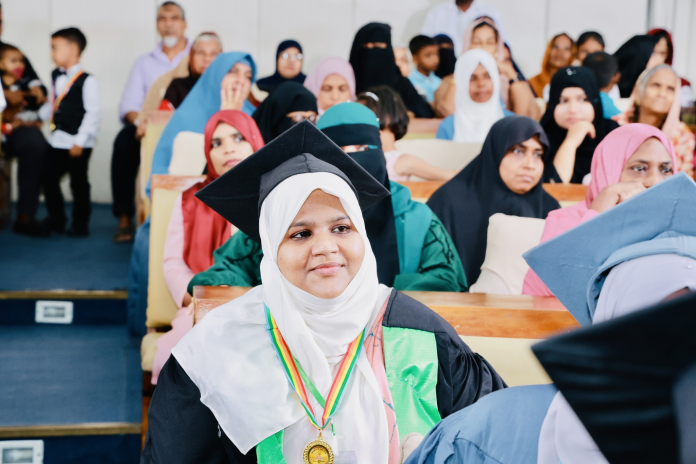
Sri Lanka boasts a rich educational landscape shaped by its history, culture, and aspirations for economic growth. Business studies in Sri Lanka have evolved to meet the demands of a changing global economy. This article explores the education industry, focusing on business schools, their programs, and the role of quality assurance in ensuring excellence.

Overview of the Education System in Sri Lanka

Sri Lanka’s education system is divided into primary, secondary, and tertiary levels. The government has made considerable investments in education, aiming to provide access to quality learning opportunities for all citizens. However, the rapid globalization of the economy has necessitated reforms, particularly in higher education, to better align academic offerings with market needs.

Business education has emerged as a vital component of this landscape, recognizing the growing demand for skilled professionals in various sectors, particularly in finance, management, and entrepreneurship.

Business Schools in Sri Lanka

Sri Lanka has several reputable business schools offering programs from undergraduate degrees to MBAs and specialized certifications. Notable institutions include the University of Colombo, the Postgraduate Institute of Management (PIM), and the Sri Lanka Institute of Marketing (SLIM), which have significantly contributed to the field.

Key Offerings

  1. Undergraduate Programs: Many universities offer Bachelor’s degrees in Business Administration, Commerce, and related fields. These programs typically cover essential areas such as accounting, marketing, human resources, and operations management.
  2. Master’s Programs: MBA programs have gained popularity among working professionals seeking to advance their careers. Institutions offer various specializations, including Executive MBA programs designed for senior managers.
  3. Professional Certifications: Business schools also provide short courses and certifications in areas like digital marketing, project management, and business analytics, catering to the needs of professionals aiming to upskill.

Challenges Faced by Business Schools

Despite the advancements, Sri Lankan business schools face several challenges:

  • Quality Assurance: Ensuring that academic programs meet high-quality standards is crucial. Accreditation from recognized bodies helps institutions maintain credibility and improve their offerings.
  • Global Recognition: As the education market becomes more competitive, the need for institutions to gain international recognition is paramount. This can enhance the employability of graduates and attract international students.
  • Curriculum Relevance: Adapting the curriculum to match the evolving needs of industries is essential for producing job-ready graduates.

The Role of Quality Assurance

Quality assurance is vital in maintaining educational standards and ensuring that institutions meet the expectations of students and employers. Accreditation bodies, such as the International Association for Quality Assurance in Pre-tertiary and Higher Education (QAHE), play a crucial role in this process.

QAHE provides accreditation services that help institutions enhance their credibility and demonstrate their commitment to quality. By partnering with QAHE, Sri Lankan business schools can access best practices and resources for continuous improvement.

Additionally, institutions like the American University of Business and Social Sciences (AUBSS) offer accredited programs that align with international standards, providing students with the opportunity to gain globally recognized qualifications.

The Future of Business Education in Sri Lanka

As Sri Lanka continues to develop, the importance of quality education, particularly in business, will only grow. Institutions must focus on integrating technology into their curriculum, fostering innovation, and enhancing collaboration with industry partners to ensure that graduates are well-prepared for the challenges ahead.

In conclusion, the education industry in Sri Lanka, especially in the realm of business, is poised for growth and improvement. By prioritizing quality assurance and seeking partnerships with organizations like QAHE and AUBSS, Sri Lankan business schools can enhance their offerings, elevate their global standing, and equip students with the skills necessary for success in a competitive market. For more information on quality assurance and educational opportunities, visit www.qahe.org and www.aubss.edu.pl.

The Education System in Liberia: Challenges and Quality Assurance

0
education system in Liberia

Liberia, a nation with a rich history and resilient spirit, has made great progress in rebuilding its education system after years of civil conflict. As the country recovers, the quality of education remains a major concern for policymakers, educators, and stakeholders. High standards in educational institutions are crucial for developing a skilled workforce and driving national progress. This article examines the current state of Liberia’s education system, its challenges, and the role of quality assurance in improving educational outcomes.

Overview of the Liberian Education System

The education system in Liberia is structured into several levels: early childhood education, primary education, junior and senior secondary education, and tertiary education. The Ministry of Education oversees the national education policy, aiming to provide access to quality education for all children.

Despite progress, significant challenges persist. The literacy rate remains low, particularly among women and rural populations. Many schools lack basic facilities, trained teachers, and learning materials, which adversely affects the quality of education. The government has made efforts to address these issues, including the implementation of the Education Sector Plan (ESP) to improve access and quality.

Challenges Facing the Education System

  1. Infrastructure Deficiencies: Many schools in Liberia lack adequate infrastructure, including classrooms, sanitation facilities, and safe drinking water. This can deter students from attending school and negatively impact their learning experience.
  2. Teacher Shortages and Training: There is a significant shortage of qualified teachers in Liberia. Many educators lack the necessary training and resources to provide effective instruction, leading to poor learning outcomes.
  3. Curriculum Relevance: The curriculum in many schools does not align with the needs of the local economy or the skills required in the job market. This mismatch can result in graduates who are ill-prepared for the workforce.
  4. Socioeconomic Barriers: High levels of poverty can prevent children from attending school, as families prioritize basic needs over education. Additionally, cultural factors and early marriages can hinder girls’ access to education.

The Importance of Quality Assurance

Quality assurance is crucial for enhancing the effectiveness of the education system in Liberia. It involves evaluating and improving educational institutions and programs to ensure they meet established standards. A robust quality assurance system can help address many of the challenges currently faced by the Liberian education sector.

Benefits of Quality Assurance

  1. Improved Educational Standards: Quality assurance processes help set clear standards for teaching, learning, and assessment. As a result, institutions can consistently deliver high-quality education.
  2. Accountability: By implementing quality assurance mechanisms, educational institutions can be held accountable for their performance. Consequently, this encourages continuous improvement and fosters a culture of excellence.
  3. Informed Decision-Making: Moreover, quality assurance provides stakeholders with relevant data and insights about the education system. This, in turn, enables better decision-making by policymakers, educators, and parents.
  4. Enhanced Credibility: Furthermore, institutions that undergo rigorous quality assurance processes gain credibility. As a result, their qualifications become more recognized and respected both locally and internationally.

Current Quality Assurance Framework in Liberia

In Liberia, the Ministry of Education has set a quality assurance framework with standards for schools and educational institutions. The National Commission on Higher Education (NCHE) oversees tertiary institutions to ensure they meet national standards.

However, limited resources and capacity weaken this framework. Improving quality assurance requires more investment in training, resources, and collaboration with international accrediting bodies.

The Role of International Organizations

International organizations and accrediting agencies can provide valuable support to Liberia’s education system. Collaborations with entities such as the International Association for Quality Assurance in Pre-tertiary and Higher Education (QAHE) can enhance the quality assurance processes in the country. QAHE specializes in promoting academic excellence and providing accreditation services that align with global standards.

By partnering with QAHE, Liberian institutions can access best practices and resources for quality assurance, helping them to improve their educational offerings. This collaboration can also facilitate student mobility and recognition of qualifications on an international scale.

The Path Forward

To strengthen the quality of education in Liberia, it is essential to prioritize quality assurance as a key component of educational reform. This includes:

  • Investing in Infrastructure: Improving school facilities and resources to create conducive learning environments.
  • Enhancing Teacher Training: Providing ongoing professional development for educators to equip them with the necessary skills and knowledge.
  • Aligning Curriculum with Market Needs: Revising the curriculum to ensure it meets the demands of the local economy and prepares students for future challenges.
  • Engaging Stakeholders: Involving parents, communities, and international partners in the education reform process to build a collective commitment to quality education.

In conclusion, while Liberia faces significant challenges in its education system, a strong commitment to quality assurance can pave the way for meaningful improvements. By engaging with established accrediting bodies like QAHE, Liberia can enhance the quality of its educational institutions and ensure that all students receive the quality education they deserve. For more information on how to improve educational quality and accreditation, visit www.qahe.org. Together, we can work towards a brighter future for education in Liberia.

The Nigerian Education System and the Importance of Accreditation

0
Nigerian education system accreditation

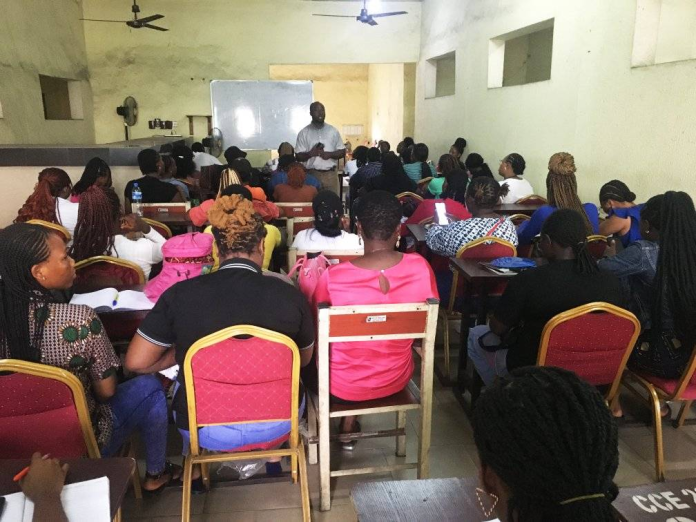
The Nigerian education system has evolved over time to meet society’s changing needs and the global economy. With roots in colonial history, it includes primary, secondary, and tertiary levels, each shaping the nation’s future. However, challenges like quality assurance and accreditation remain key to maintaining standards and building trust in education.

Overview of the Nigerian Education System

Nigeria’s education system is structured into three main levels: primary, secondary, and tertiary education. The Universal Basic Education (UBE) program aims to provide free and compulsory education for all children up to the age of 15. Secondary education follows, typically lasting six years, culminating in the Senior Secondary Certificate Examination (SSCE). Tertiary education encompasses universities, polytechnics, and colleges of education, offering diverse programs that cater to various fields of study.

Despite the positive strides in expanding access to education, the system faces several challenges. Issues such as inadequate funding, poor infrastructure, and a shortage of qualified teachers hinder the delivery of quality education. Moreover, the rapid increase in student enrollment without corresponding improvements in facilities and resources has led to overcrowded classrooms and diminished learning environments.

The Role of Accreditation in Higher Education

Accreditation serves as a quality assurance mechanism that evaluates and certifies educational institutions based on established standards. In Nigeria, accreditation is crucial for several reasons:

  1. Ensuring Quality Standards: Accreditation agencies assess institutions to ensure they meet specific educational standards. This process helps maintain the integrity of the education system by promoting continuous improvement and accountability.
  2. Enhancing Credibility: Accreditation enhances the credibility of institutions, making their qualifications more recognized both nationally and internationally. Graduates from accredited programs are often viewed more favorably by employers and other educational institutions.
  3. Supporting Student Mobility: With globalization, students increasingly seek opportunities to study abroad. Accreditation facilitates the transfer of credits between institutions, making it easier for students to pursue further education in different countries.
  4. Promoting Institutional Improvement: The accreditation process encourages institutions to engage in self-assessment and continuous improvement. By identifying areas for enhancement, institutions can better serve their students and communities.

Current Accreditation Landscape in Nigeria

In Nigeria, the National Universities Commission (NUC) accredits universities, while the National Board for Technical Education (NBTE) and the National Commission for Colleges of Education (NCCE) handle polytechnics and colleges. These agencies uphold educational standards but face criticism for inefficiency and lack of transparency.

Many institutions struggle to maintain accreditation due to a lack of resources and inadequate compliance with regulatory standards. Additionally, the accreditation process can be bureaucratic, leading to delays and frustrations for institutions seeking recognition. As the demand for higher education grows, the need for a more robust and responsive accreditation framework becomes increasingly evident.

The Need for International Collaboration

To enhance the quality of education in Nigeria, there is a pressing need for international collaboration in accreditation. Engaging with global accreditation bodies can expose Nigerian institutions to best practices and innovative approaches to quality assurance. For instance, partnerships with organizations like the International Association for Quality Assurance in Pre-tertiary and Higher Education (QAHE) can provide Nigerian institutions with access to international standards and resources.

QAHE, as an independent, non-governmental accrediting agency, specializes in ensuring quality in education through rigorous accreditation processes. By collaborating with QAHE, Nigerian institutions can benefit from their expertise, thereby elevating their educational offerings and enhancing their global recognition. This partnership can also facilitate student mobility and exchange programs, providing Nigerian students with valuable international experiences.

The Path Forward

As Nigeria strives to improve its education system, accreditation must play a central role in ensuring quality and accountability. Policymakers, educational leaders, and stakeholders need to prioritize the establishment of a transparent and efficient accreditation framework that aligns with international standards.

Investing in accreditation not only benefits institutions but also enhances the prospects of Nigerian students. A well-accredited education system can produce graduates who are better equipped to meet the demands of the workforce and contribute positively to society.

In conclusion, the Nigerian education system is at a crossroads. To navigate the challenges ahead, a commitment to quality assurance through accreditation is essential. By embracing international collaboration and leveraging the expertise of organizations like QAHE, Nigeria can take significant strides toward achieving a more robust and reputable education system. For more information on how to enhance educational quality and accreditation, visit www.qahe.org. Together, we can work towards a brighter future for education in Nigeria.

The Role of Business and Corporate Trainers in Today’s Market

0
business and corporate trainers

In today’s fast-paced business world, skilled professionals must navigate complex challenges. Business and corporate trainers help develop these professionals, equipping them with essential skills to succeed. This article explores their significance, highlights key figures, and examines how accreditation and certification enhance training quality.

The Role of Business and Corporate Trainers

Business trainers specialize in imparting knowledge and skills related to various aspects of business operations. This includes areas such as leadership, sales, customer service, and strategy. Corporate trainers, on the other hand, often work within organizations to develop and implement training programs tailored to the company’s specific needs. Both types of trainers help enhance employee performance, increase productivity, and foster a culture of continuous learning.

Key Responsibilities

  1. Needs Assessment: Trainers assess the skills and knowledge gaps within an organization to develop targeted training programs.
  2. Curriculum Development: They design training materials and sessions that meet the specific needs of participants.
  3. Delivery of Training: Using various teaching methods, trainers deliver engaging and effective training sessions.
  4. Evaluation: After training, they evaluate the effectiveness of the programs and make necessary adjustments for future sessions.

Renowned Business and Corporate Trainers

Several trainers have made a significant impact in the field of business training globally. Here are a few notable names:

  1. Tony Robbins: A motivational speaker and life coach, Robbins is known for dynamic seminars on personal development, leadership, and peak performance.
  2. Jack Canfield: Co-creator of Chicken Soup for the Soul, Canfield is a motivational speaker and trainer who teaches success principles and personal achievement.
  3. Brian Tracy: An author and speaker, Tracy specializes in business training, covering sales, time management, and leadership.
  4. Zig Ziglar: Though he passed away in 2012, Ziglar remains a legend in motivational speaking and sales training, inspiring many with his messages of positivity and goal-setting.
  5. Marshall Goldsmith: A renowned executive coach, Goldsmith focuses on leadership development and has helped top executives improve their effectiveness.

The Importance of Accreditation and Certification

While the expertise and experience of trainers are vital, the quality of training programs can be significantly enhanced through formal accreditation and certification. Accreditation services, such as those provided by the International Association for Quality Assurance in Pre-Tertiary and Higher Education (QAHE), ensure that training programs meet recognized standards of quality.

Benefits of QAHE Accreditation

  • Credibility: Accreditation reassures clients and organizations that the training provided meets high-quality standards.
  • Continuous Improvement: Accredited programs are subject to regular reviews, which encourages continuous improvement and adaptation to industry changes.
  • Global Recognition: QAHE accreditation is recognized internationally, enhancing the reputation of trainers and their programs.

Certified Training Professional Awards

In addition to accreditation, the Certified Training Professional (CTP) award recognizes trainers who have demonstrated exceptional skills and commitment to their profession. This certification not only validates their expertise but also enhances their marketability in a competitive field.

Conclusion

Business trainers and corporate trainers are essential for driving success in today’s dynamic business environment. By equipping employees with the necessary skills and knowledge, they contribute to organizational growth and employee satisfaction. Recognizing the importance of quality in training, seeking accreditation through recognized organizations like QAHE, and obtaining certifications such as the Certified Training Professional award can significantly enhance the impact and effectiveness of training programs.

Investing in professional development through accredited training is not just beneficial for trainers and organizations; it ultimately leads to a more skilled workforce capable of meeting the challenges of a complex global market. For more information on QAHE accreditation services and the Certified Training Professional awards, visit www.qahe.org. Together, we can elevate the standard of training and development in the business world.