spot_img
Home Blog Page 46

The Importance of Multiple Accreditations: Why National and International Recognition Matter

0
importance of multiple accreditations

In today’s globalized education landscape, the significance of accreditation cannot be overstated. Accreditation serves as a hallmark of quality and credibility, assuring students, parents, and employers that an institution meets established educational standards. While national accreditation is essential, securing international accreditation can be equally, if not more, beneficial for educational institutions. Here’s why understanding the importance of multiple accreditations is vital in enhancing an institution’s reputation and ensuring quality education.

1. Broader Recognition

National accreditation typically focuses on compliance with local standards and regulations. While this is crucial for establishing legitimacy within a country, international accreditation opens doors to a broader audience. Institutions that achieve international accreditation gain recognition not only domestically but also globally, making them more attractive to international students and partners. This expanded recognition can lead to increased enrollment and collaboration opportunities.

2. Enhanced Quality Assurance

Different accrediting bodies may have varying standards and criteria for evaluation. By pursuing multiple accreditations, institutions can benefit from diverse perspectives and best practices in quality assurance. This multifaceted approach, therefore, encourages continuous improvement and innovation in educational offerings. As a result, institutions can ensure they remain competitive and relevant in a rapidly evolving job market.

3. Increased Student Confidence

Students today are more discerning about their educational choices. They seek institutions that provide not only quality education but also recognized credentials that are respected worldwide. Having both national and international accreditation signals to prospective students that an institution is committed to maintaining high standards and is dedicated to their success. This can lead to higher enrollment rates and improved student satisfaction.

4. Facilitating Global Partnerships

International accreditation often paves the way for partnerships with foreign institutions. As a result, collaborations can lead to exchange programs, joint research initiatives, and shared resources, all of which enrich the educational experience for both students and faculty. Furthermore, institutions with multiple accreditations are more likely to gain recognition as credible partners in the international academic community, which enhances their global standing and fosters stronger relationships worldwide.

5. Compliance with Global Standards

As education becomes increasingly internationalized, alignment with global standards is crucial. International accreditation bodies often assess institutions against internationally recognized benchmarks. This compliance not only enhances the institution’s credibility but also ensures that its programs meet the expectations of the global workforce, thus better-preparing students for international careers.

6. Promoting Institutional Growth

Accreditation is not just about meeting standards; it is also a tool for strategic growth. Institutions that seek multiple accreditations are often compelled to engage in self-assessment and continuous improvement initiatives. This proactive approach can lead to enhanced program offerings, better faculty development, and improved student outcomes.

Conclusion

In conclusion, while national accreditation is vital for local legitimacy, the pursuit of international accreditation is equally important for institutions aiming for global recognition and excellence. By embracing both forms of accreditation, educational institutions can enhance their reputation, attract a diverse student body, and foster meaningful partnerships worldwide.

If you are looking to elevate your institution’s standing through quality accreditation, consider partnering with the International Association for Quality Assurance in Pre-Tertiary and Higher Education (QAHE). With its commitment to rigorous standards and global recognition, QAHE can help you achieve the accreditation your institution deserves. Explore more at www.qahe.org and take the first step toward a brighter future for your educational institution.

Celebrating Excellence: The QAHE List of Awardees

0
Higher Education Excellence

In the realm of higher education, recognition of outstanding contributions is paramount to fostering an environment of excellence and innovation. The International Association for Quality Assurance in Pre-Tertiary and Higher Education (QAHE) exemplifies this commitment through its prestigious Honorary Awards. These awards celebrate individuals who have distinguished themselves through exceptional service to education and specific professional fields. The recently published list of awardees serves as a testament to the remarkable achievements of educators, researchers, and leaders in various disciplines.

The Significance of QAHE Honorary Awards

The QAHE Honorary Awards are among the highest accolades conferred by the organization. They recognize individuals who have demonstrated long-standing dedication to higher education and whose contributions have significantly impacted their fields. These award recipients not only receive recognition for their professional accomplishments but also earn praise for their commitment to advancing educational standards and practices globally.

The awards encompass a range of categories, including Honorary Fellowships, Honorary Doctorates, Distinguished Professorships, and Honorary Professorships. Each award reflects the recipient’s expertise, leadership, and influence within their respective domains. By celebrating these individuals, QAHE aims to inspire others in the educational community to strive for excellence and innovation.

The Award Categories

Honorary Fellowships

Honorary Fellowships are awarded to individuals who have made significant contributions to higher education and demonstrated exemplary leadership in their fields. This recognition is a lifetime membership that allows recipients to engage with QAHE and its initiatives actively. The awardees are invited to share their profiles on the QAHE website, thereby contributing to a community that values educational excellence.

Honorary Doctorates

The Honorary Doctorate is a prestigious recognition given to individuals who have exhibited outstanding achievement in their professional fields. This accolade is not merely a title; it acknowledges the recipient’s influence and service to society through education, research, and community involvement. Recipients of this honor often have a profound impact on their disciplines, setting standards for others to follow.

Distinguished Professorships

Distinguished Professorships recognize individuals who have made exceptional contributions to academia and have demonstrated leadership in educational practices. This title is awarded to those who excel in teaching, research, and service, thereby enhancing the educational landscape. Distinguished Professors often serve as mentors, guiding the next generation of educators and professionals.

Honorary Professorships

Honorary Professorships are conferred upon individuals who have exhibited remarkable achievements in their academic and professional careers. Consequently, this recognition underscores their commitment to advancing knowledge and fostering educational excellence. Furthermore, Honorary Professors serve as role models, inspiring both students and colleagues alike through their contributions to their respective fields. In addition, their influence extends beyond the classroom, as they continue to shape the future of education and professional practice.

Notable Awardees

The list of awardees showcases a diverse group of individuals from various disciplines, each contributing uniquely to the landscape of education and professional practice. Notably, among the recipients are educators, researchers, and industry leaders who have made significant strides in their respective fields. Furthermore, their contributions have shaped their domains in meaningful ways, setting new benchmarks for future generations. As a result, their collective impact continues to inspire and influence both current and aspiring professionals.

Dr. Ismail Nawi

One notable awardee, Dr. Ismail Nawi, received the Honorary Professorship of Practice in Engineering for his outstanding contributions. Dr. Nawi has made substantial contributions to mechanical engineering and education, thereby demonstrating a strong commitment to fostering innovation and quality within the industry. Furthermore, his leadership roles in various academic institutions and engineering firms not only exemplify his personal dedication but also reflect the values that QAHE upholds in promoting high standards in education. As a result, his work continues to inspire others in the field, furthering advancements in engineering education.

Boniface Wekesa Wanyama

Another esteemed recipient is Boniface Wekesa Wanyama, recognized with a Doctor of Management (Honoris Causa). His work in management education has significantly impacted his students and the broader academic community. Awarding him this honorary degree reflects the importance of integrating practical management principles into educational frameworks.

Prof. Dr. Burhan Reshat Rexhepi

QAHE has also honored Prof. Dr. Burhan Reshat Rexhepi with a Distinguished Professorship in Business Administration. His extensive research and contributions to business education have set benchmarks for academic excellence and practice. Through his work, he has influenced many aspiring business professionals and educators.

Dr. Samuel Babatunde Bodunrin

Dr. Samuel Babatunde Bodunrin received a Distinguished Professorship for his notable contributions to the field of education and administration. Furthermore, his leadership in educational reform, along with his unwavering commitment to quality assurance in higher education, clearly reflects the core values upheld by QAHE.

Dr. Wong Theen Yoong

Dr. Wong Theen Yoong is another remarkable figure who has earned multiple honors, including an Honorary Professorship of Practice in Education. His contributions to educational methodologies and student engagement exemplify the impact educators can have on enhancing learning experiences.

The Nomination Process

The process for receiving these esteemed awards involves a rigorous nomination system. QAHE invites nominations for various awards, encouraging individuals and institutions to recognize deserving candidates. Nominators typically need to submit the nominee’s current CV along with a letter that details the nominee’s contributions to higher education.

In addition to nominations, QAHE also accepts self-nominations, allowing qualified individuals to apply directly for recognition. Applicants must demonstrate that they meet at least two of the nine criteria for Fellowship, which include creativity, leadership, service, and contribution to their field. This inclusive approach allows a wide range of individuals to be considered for these prestigious awards.

Impact on Higher Education

The recognition conferred by QAHE through its Honorary Awards has a profound impact on the higher education landscape. By honoring exceptional individuals, QAHE not only acknowledges their contributions but also sets a standard for excellence in education. The awardees serve as role models, inspiring future generations of educators and professionals to aspire to similar heights of achievement.

Furthermore, the QAHE Honorary Awards foster a culture of recognition within academic institutions. They encourage schools and universities to celebrate the achievements of their faculty, thereby motivating educators to pursue excellence in their teaching and research.

Conclusion

The QAHE List of Awardees stands as a testament to the incredible achievements of individuals who have dedicated their lives to enhancing education and professional practice. By honoring these distinguished professionals, QAHE not only reinforces its mission to promote quality assurance in education but also inspires ongoing improvements within the field. Furthermore, the recognition of these individuals catalyzes further advancements, encouraging others to follow in their footsteps. As a result, the impact of these awards extends beyond the recipients, shaping the future of education globally.

As the landscape of higher education continues to evolve, the contributions of these awardees will undoubtedly play a crucial role in shaping the future. Their commitment to excellence, innovation, and service sets a benchmark for others to follow. In celebrating their achievements, QAHE not only honors their past contributions but also lays the groundwork for future advancements in education and professional practice.

Dr. Ismail Nawi Awarded Honorary Professorship of Practice in Engineering

0
Honorary Professorship of Practice in Engineering

Dr. Ismail Nawi has enriched the academic and professional landscape in engineering through his recognition. He received the prestigious Honorary Professorship of Practice (HPoP) in Engineering. This accolade, awarded by Kennedy University and the International Association for Quality Assurance in Pre-Tertiary and Higher Education (QAHE), recognizes Dr. Nawi’s significant contributions. His work has greatly impacted both engineering education and the industry.

Dr. Nawi’s journey in engineering reflects his commitment to innovation and high standards in education. He holds a Master of Science (MSc), a Master of Business Administration (MBA), and professional engineering qualifications. These credentials combine technical expertise with educational excellence. His diverse qualifications enable him to approach engineering challenges with a comprehensive understanding of both theoretical principles and practical applications.

The Honorary Professorship of Practice recognizes individuals who demonstrate exceptional leadership, innovation, and dedication to their field. Dr. Nawi has extensive experience as a senior lecturer and international representative in academic institutions. His work highlights his significant influence in engineering education. He has not only imparted knowledge to countless students but has also played a pivotal role in shaping the curricula that prepare future engineers for the complexities of the modern workforce.

Dr. Nawi has held key positions in notable engineering firms. He has successfully bridged the gap between academia and industry. His leadership roles in these organizations reflect his ability to translate academic theories into practical solutions, thus enhancing the quality of engineering practices. This unique blend of experience is precisely what the Honorary Professorship of Practice aims to recognize and promote.

The collaboration between Kennedy University and QAHE in awarding this honorary title underscores the importance of quality assurance in education. QAHE is an independent quality assurance agency dedicated to promoting high educational standards globally. By recognizing Dr. Nawi, QAHE not only honors his achievements but also reaffirms its commitment to fostering excellence in engineering education. This partnership emphasizes the importance of aligning academic programs with industry demands. It ensures that graduates are well-equipped to face career challenges.

Dr. Nawi’s commitment to quality in engineering education is evident in his advocacy for innovative teaching methods and continuous improvement. Additionally, he has been instrumental in implementing programs that encourage critical thinking, problem-solving, and hands-on experience among students. Furthermore, Dr. Nawi fosters an environment where students engage with real-world engineering challenges. As a result, this enhances their learning experience and better prepares them for future engineering roles.

In addition to his teaching and leadership roles, Dr. Nawi actively contributes to research that advances engineering practices. His research interests focus on integrating modern technologies into engineering education. He explores how digital tools can improve learning outcomes. This forward-thinking approach not only benefits his students but also contributes to the broader field of engineering by promoting the adoption of innovative practices.

The recognition of Dr. Nawi with the Honorary Professorship of Practice serves as an inspiration for current and aspiring engineers. It highlights the importance of dedication, innovation, and a commitment to quality in both education and professional practice. As the engineering landscape continues to evolve, the contributions of leaders like Dr. Nawi become increasingly vital in shaping the future of the field.

Moreover, this honorary title reinforces the role of quality assurance organizations like QAHE in recognizing and promoting excellence within educational institutions. QAHE collaborates with esteemed professionals to build a network of educators and industry leaders. This network is dedicated to improving education quality globally. Dr. Nawi’s achievements exemplify the type of leadership that is essential for advancing educational standards and ensuring that engineering programs remain relevant and effective.

As Dr. Nawi begins his role as an Honorary Professor, his impact is expected to reach beyond the classroom. He will engage in initiatives to enhance student education and promote best practices within the engineering community. His participation in workshops, conferences, and collaborative projects will help share knowledge among educators, students, and industry professionals.

In conclusion, the awarding of the Honorary Professorship of Practice in Engineering to Dr. Ismail Nawi is a well-deserved recognition of his extensive contributions to engineering education and the industry. His commitment to fostering innovation, quality, and excellence sets a standard for others in the field. Dr. Nawi continues to inspire future generations of engineers. This accolade highlights the impact that dedicated individuals can have on the educational landscape.

Dr. Nawi’s journey highlights the crucial link between academia and industry. His ongoing efforts will play a key role in shaping the future of engineering education. As we celebrate his achievements, we look forward to the advancements his work will bring, benefiting both students and the engineering profession.

QAHE Signs MOU with Association of Chartered Christian Instructors to Enhance Educational Quality

0
QAHE and ACCI partnership for educational quality

The International Association for Quality Assurance in Pre-Tertiary and Higher Education (QAHE) has made a significant move to improve educational standards. On November 21, 2024, it signed a Memorandum of Understanding (MOU) with the Association of Chartered Christian Instructors (ACCI). This strategic partnership aims to foster collaboration and promote quality assurance in education across various institutions.

The MOU establishes a framework for reciprocal recognition of certifications, standards, and qualifications between QAHE and ACCI. By acknowledging each other’s achievements, both organizations seek to enhance credibility and trust within the educational community, ultimately benefiting educators and students alike. This collaboration is especially pertinent in a global landscape that increasingly demands high standards in educational practices.

Key Objectives of the MOU

Among the primary objectives outlined in the agreement are the identification of opportunities for joint programs, workshops, and conferences. Both QAHE and ACCI are committed to facilitating information sharing on best practices and research findings related to quality assurance. This partnership is designed to provide professional development opportunities for their members, ensuring ongoing growth and improvement in educational quality.

Under the terms of the MOU, QAHE will offer ACCI updates on the latest quality assurance practices and standards. Additionally, both organizations will collaborate on joint initiatives and share valuable data and research, enhancing their collective efforts to uphold educational standards.

Commitment to Excellence

This collaboration underscores the commitment of both QAHE and ACCI to uphold values of integrity, transparency, and mutual respect. The MOU will remain in effect for five years, with provisions for review and renewal by mutual agreement. The ongoing partnership aims to create a robust framework for quality assurance that benefits the broader educational community.

The signing of this MOU marks a key step in QAHE’s mission to enhance global educational quality. Partnering with ACCI allows QAHE to combine strengths with ACCI to promote high standards in Christian education and beyond.

A Vision for the Future

As the educational landscape continues to evolve, the importance of quality assurance becomes increasingly evident. Therefore, institutions are actively seeking ways to improve their practices and ensure they meet the expectations of students and stakeholders. Consequently, the collaboration between QAHE and ACCI serves as a proactive response to these needs, aiming to create a culture of continuous improvement in educational quality.

With this partnership, both organizations are not only well-positioned to lead the charge in promoting excellence in education but also capable of driving meaningful change. By sharing resources, exchanging knowledge, and adopting best practices, QAHE and ACCI can significantly enhance the educational experiences of both teachers and students alike.

Conclusion

The MOU between QAHE and the Association of Chartered Christian Instructors is a key step in advancing educational excellence. By enhancing quality assurance practices, both organizations reaffirm their commitment to creating an environment where educators thrive and students receive a high-quality education.

This partnership strengthens ties between the two organizations and sets a standard for future collaborations aimed at improving educational outcomes. QAHE’s collaboration with ACCI shows the value of unity and shared goals. This partnership strengthens QAHE’s mission to ensure quality education.

Dr. Gabriel Lopes Receives Prestigious QAHE Honorary Fellowship Award

0
QAHE Honorary Fellowship Award

In recognition of academic excellence, Dr. Gabriel Lopes has been awarded the prestigious QAHE Honorary Fellowship Award. This accolade, presented by the International Association for Quality Assurance in Pre-Tertiary and Higher Education (QAHE), highlights Dr. Lopes’s significant contributions to education, psychology, and law. As a result, he has solidified his position as a prominent figure in the academic community.

Dr. Lopes holds impressive credentials, including his role as Director of International Relations at the Faculdade de Ciências Médicas e Jurídicas and President of Logos University International. Furthermore, his career reflects a relentless pursuit of knowledge and a commitment to global educational standards. Additionally, he has earned multiple PhDs and honorary doctorates, further demonstrating his dedication and expertise across various disciplines.

The QAHE Honorary Fellowship Award is not merely a title; it signifies a commitment to the highest standards of educational quality and integrity. Recipients of this award are recognized for their exceptional contributions to improving educational practices and promoting academic excellence. Dr. Lopes’s selection for this honor underscores his influence and leadership within the educational sector, as well as his unwavering dedication to enhancing the quality of higher education.

Dr. Lopes’s impact on the academic community extends beyond his administrative roles. His scholarly work has advanced educational methodologies, particularly in supporting diverse student populations. He emphasizes integrating psychology into educational frameworks to ensure learning environments are effective and supportive of students’ emotional and psychological well-being.

In an era where people frequently scrutinize the quality of education, awards like the QAHE Honorary Fellowship serve as crucial indicators of institutional credibility and academic rigor. Furthermore, QAHE has earned global recognition as an independent quality assurance agency committed to upholding educational standards in various countries. The organization collaborates with numerous accrediting bodies worldwide, thus providing a framework for educational institutions to achieve and maintain high-quality standards.

Moreover, the criteria for receiving the QAHE Honorary Fellowship are stringent, reflecting the organization’s commitment to excellence. Candidates are evaluated based on their contributions to education, leadership, and their ability to inspire others. In this context, Dr. Lopes’s extensive background and achievements made him an exemplary candidate for this honor. Notably, his work aligns closely with QAHE’s mission to promote quality assurance in education.

As the academic landscape continues to evolve, the role of quality assurance organizations like QAHE becomes increasingly vital. These entities set benchmarks for educational excellence and offer resources to help institutions meet these standards. By recognizing individuals like Dr. Lopes, QAHE honors personal achievements and emphasizes the importance of leadership in education.

The recognition of Dr. Lopes comes at a pivotal time when educational institutions face unprecedented challenges. The COVID-19 pandemic has reshaped higher education. Institutions had to adapt quickly to new teaching methods and meet changing student needs. In this context, leaders who advocate for high standards and innovative approaches to education are more important than ever. Dr. Lopes’s work exemplifies the type of leadership needed to navigate these changes effectively.

Moreover, Dr. Lopes’s contributions to the internationalization of higher education are noteworthy. His efforts to foster collaborations between educational institutions across borders promote a richer educational experience for students. By facilitating partnerships that enhance academic exchange and research cooperation, Dr. Lopes is helping to create a more interconnected global academic community.

The QAHE Honorary Fellowship Award not only acknowledges individual accomplishments but also serves as an inspiration for current and future educators. It highlights the importance of commitment, integrity, and the pursuit of excellence in education. As more educators strive to make meaningful contributions to their fields, awards like this one can motivate them to achieve their goals and impact their communities positively.

In congratulating Dr. Lopes on this remarkable achievement, we celebrate the values he embodies: dedication, innovation, and a commitment to educational quality. His recognition highlights the crucial role educators play in shaping the future of higher education and impacting students’ lives.

As Dr. Lopes continues his journey, the academic community can expect his ongoing contributions to advancing educational standards. The QAHE Honorary Fellowship Award is just one of many milestones in his career. It serves as a beacon of excellence for others in the field. Dr. Lopes fosters a culture of quality assurance and continuous improvement. His work is paving the way for future generations of educators and students.

In conclusion, the award presented to Dr. Gabriel Lopes by QAHE highlights both his personal achievements and the broader mission of quality assurance in education. As higher education continues to evolve, Dr. Lopes’s leadership and dedication will serve as a guiding light for aspiring educators. The QAHE Honorary Fellowship Award celebrates these values and showcases the profound impact that committed individuals can have on the educational sector.

The Landscape of Corporate Training: Major Players and Small-Medium Enterprises

0
corporate training

In today’s fast-paced business environment, corporate training has become a cornerstone for organizational success. Companies are increasingly recognizing the importance of continuous learning and development to enhance employee skills, boost productivity, and foster innovation. This landscape features a diverse range of training providers, including major corporate training companies and small to medium-sized enterprises (SMEs). Moreover, each group plays a vital role in shaping the workforce of tomorrow. Each plays a vital role in shaping the workforce of tomorrow.

Major Corporate Training Companies

Leading corporate training companies like Deloitte University, Korn Ferry, and FranklinCovey dominate the market with their extensive resources, global reach, and comprehensive programs. These organizations often have well-established curricula and a wealth of experience, making them attractive options for large corporations seeking to implement training at scale.

These major players typically offer a wide array of services, including leadership development, compliance training, and soft skills enhancement. They leverage advanced technology and innovative methods such as virtual reality and artificial intelligence to create immersive training experiences. However, their size can sometimes lead to a one-size-fits-all approach, which may not address the unique needs of every organization.

The Value of Small-Medium Sized Training Companies

On the other hand, small and medium-sized training companies offer agility, personalization, and niche expertise. These organizations specialize in specific industries or training methods, which allows them to tailor programs to meet unique client needs. For example, a small firm might focus solely on leadership coaching for tech startups, offering targeted solutions that larger firms may overlook.

Moreover, SMEs in the training sector tend to foster close relationships with their clients, ensuring that training is relevant and practical. They are also able to respond quickly to market changes or client needs, making them ideal partners. This agility enables organizations to implement innovative training solutions, all while avoiding the bureaucracy typically found in larger firms.

Bridging the Gap: The Importance of Accreditation

Regardless of size, the quality of training programs is paramount. This is where accreditation becomes essential. Accreditation serves as a hallmark of excellence, providing assurance that a training provider meets established standards of quality and effectiveness. For corporate training companies, being accredited can enhance credibility and attract more clients.

Organizations like the International Association for Quality Assurance in Pre-Tertiary and Higher Education (QAHE) offer robust accreditation services tailored for training providers. QAHE’s accreditation process evaluates various aspects of a training company, including curriculum quality, instructor qualifications, and overall effectiveness. By achieving QAHE accreditation, training companies can differentiate themselves in a crowded market, demonstrating their commitment to high standards and continuous improvement.

Why Choose QAHE Accreditation?

For corporate training companies, obtaining accreditation from QAHE not only enhances their reputation but also provides access to a global network of educational institutions and partners. This affiliation can lead to new business opportunities and collaborations that may not be available to non-accredited providers.

Moreover, QAHE accreditation assists training companies in refining their programs through constructive feedback from experienced evaluators. This continual improvement process ensures that training offerings remain relevant and effective, ultimately benefiting the organizations they serve.

Conclusion

In the ever-evolving landscape of corporate training, both major players and small-medium providers have critical roles to play. While large companies offer comprehensive resources and global reach, SMEs bring agility and specialized expertise. Regardless of their size, all training providers can benefit from accreditation, which serves as a testament to their commitment to quality and excellence.

For corporate training companies aiming to elevate their status, exploring accreditation with QAHE is a strategic move. Aligning with QAHE boosts credibility and helps promote high standards in corporate training. To learn more about how QAHE can help your organization achieve accreditation, visit www.qahe.org. Embrace the opportunity to stand out in a competitive market and ensure your training programs meet the highest standards of quality.

Strengthening Education Together: QAHE and AAEPO Join Forces

0
QAHE and AAEPO

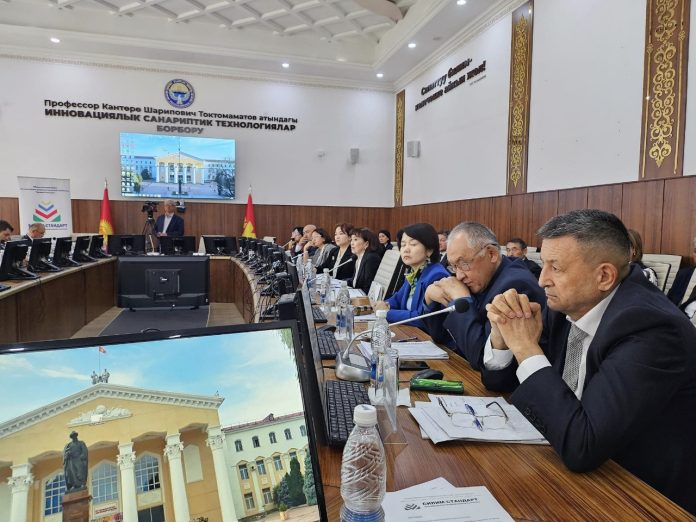
In an increasingly interconnected world, the quality of education is not just a national concern but a global imperative. Recognizing this need, the International Association for Quality Assurance in Pre-Tertiary & Higher Education (QAHE) has formed a significant partnership with the Independent Agency for the Accreditation of Educational Programs and Organizations (AAEPO). This collaboration aims to improve educational quality in the Kyrgyz Republic. It ensures students receive the best training and preparation for their future careers.

The Role of AAEPO

Founded in 2014, the Independent Agency for the Accreditation of Educational Programs and Organizations is a non-profit that works to improve education in the Kyrgyz Republic. Additionally, AAEPO operates independently of government influence, which allows it to maintain objectivity and impartiality in its evaluations. Its mission, therefore, is to enhance the competitiveness of professional education through rigorous accreditation processes.

Objectives and Functions

AAEPO’s primary goal is to provide both institutional and programmatic accreditation for educational organizations. This involves developing robust methodologies, technologies, standards, and criteria that guide the accreditation process. By setting clear benchmarks, AAEPO helps ensure that accredited programs meet high expectations for educational quality.

The agency evaluates various dimensions of educational institutions, including curriculum design, faculty qualifications, governance, and student support services. Additionally, AAEPO is committed to enhancing the capacity of educational organizations by providing training and resources aimed at continuous improvement.

QAHE: A Global Perspective

The International Association for Quality Assurance in Pre-Tertiary & Higher Education (QAHE) promotes quality standards in education worldwide, playing a key role in ensuring that education meets high global benchmarks. In addition, by collaborating with organizations like AAEPO, QAHE seeks to expand its reach and influence in regions such as Central Asia.

Furthermore, QAHE’s mission aligns closely with that of AAEPO, as both organizations are committed to enhancing educational quality through accreditation. Consequently, the partnership aims to share best practices, methodologies, and resources, which will help improve the accreditation process in the Kyrgyz Republic.

Affiliations and Collaboration

AAEPO is affiliated with several international networks, including QAHE, AQAS, NCPA, IQAA, and ECAQA. As a result, these affiliations enhance its credibility and capacity to implement effective quality assurance practices. Moreover, AAEPO is a member of global organizations that focus on accreditation and quality assurance in education. Through these networks, AAEPO gains access to a wealth of knowledge, resources, and best practices, which it can leverage to improve its accreditation processes.

The collaboration with QAHE further strengthens AAEPO’s position within these international frameworks. As both organizations work together, they will focus on aligning AAEPO’s standards with global benchmarks, thereby enhancing the overall quality of education in the Kyrgyz Republic.

The Value of the Partnership

The partnership between QAHE and AAEPO presents numerous benefits for educational institutions and the broader community. Some of the key advantages include:

  1. Enhanced Accreditation Standards: By leveraging QAHE’s international experience, AAEPO can adopt and adapt global best practices in accreditation. This will improve the standards used in Kyrgyz educational institutions and promote a culture of excellence.
  2. Capacity Building Initiatives: The partnership offers opportunities for capacity building among educational leaders and accreditation staff. Workshops, training sessions, and knowledge-sharing forums will equip stakeholders with the skills necessary to implement effective accreditation processes.
  3. Increased Credibility: AAEPO’s association with QAHE enhances its credibility in the eyes of educational institutions and stakeholders. This relationship assures them that the accreditation process is rigorous, transparent, and aligned with international standards.
  4. Improved Educational Outcomes: Ultimately, the collaboration aims to enhance educational outcomes for students. By ensuring that programs meet high standards, students receive a quality education that prepares them for the challenges of a competitive job market.

Conclusion

The partnership between the International Association for Quality Assurance in Pre-Tertiary & Higher Education (QAHE) and the Independent Agency for the Accreditation of Educational Programs and Organizations (AAEPO) is a significant step toward educational excellence in the Kyrgyz Republic. By combining their expertise and resources, the organizations are set to improve the quality of education in the region.

As this collaboration unfolds, it promises to lead to improved accreditation processes, higher educational standards, and better outcomes for students. Moreover, in an era where education drives societal progress, partnerships like this are crucial for building a brighter future for learners and communities. Ultimately, QAHE and AAEPO are not just improving educational quality; they are creating a more educated and empowered society.

Empowering Education Through Partnership: QAHE and ‘Elbaasy’ in the Kyrgyz Republic

0
QAHE and Elbaasy partnership

In an ever-evolving educational landscape, partnerships between accreditation bodies are crucial. They help ensure the highest quality standards across institutions. One such noteworthy collaboration is between the International Association for Quality Assurance in Pre-Tertiary & Higher Education (QAHE) and the Independent Accreditation Agency “Elbaasy” in the Kyrgyz Republic. This partnership symbolizes a robust commitment to enhancing educational standards and fostering a culture of excellence.

The Genesis of “Elbaasy”

Babakulov Manasbek and Sopuev Adakhimzhan, dedicated citizens of the Kyrgyz Republic, founded the accreditation agency “Elbaasy” on April 29, 2014. It is a private, non-profit organization focused on independent accreditation. Since April 2017, “Elbaasy” has led efforts to accredit educational organizations and programs. Its mission is to evaluate institutions and programs, ensuring they meet national educational standards in the Kyrgyz Republic. This applies regardless of ownership.

The Structure and Mission of “Elbaasy”

“Elbaasy” is structured to facilitate effective governance and administration. The agency includes permanent (full-time) employees, such as the Agency Director, Deputy Director, Office Manager, Scientific Consultant, Secretary – Clerk, and Accountant. In addition, nine elected members form the “Accreditation Council,” which oversees the accreditation processes.

The core mission of “Elbaasy” is to conduct independent accreditation of educational organizations offering primary, secondary, and higher professional education programs. Moreover, the agency’s primary task is to ensure quality and improve the educational process in the Kyrgyz Republic. By accrediting both public and private educational organizations, “Elbaasy” aims to foster a culture of continuous improvement and excellence in education.

In May 2018, the National Accreditation Council of the Ministry of Education and Science of the Kyrgyz Republic conducted an external assessment of “Elbaasy.” The evaluation results were positive, confirming the agency’s commitment to upholding high standards of quality assurance in education.

QAHE: A Global Leader in Quality Assurance

The International Association for Quality Assurance in Pre-Tertiary & Higher Education (QAHE) is a globally recognized accreditation body, dedicated to enhancing the quality of education worldwide. Specifically, QAHE’s mission is to provide a rigorous and credible accreditation process that ensures educational institutions meet high standards of quality and effectiveness. Furthermore, by promoting international standards, QAHE aims to facilitate the recognition and acceptance of educational qualifications globally.

The Synergistic Partnership

The partnership between QAHE and “Elbaasy” is grounded in a shared vision of promoting quality education and fostering continuous improvement across educational institutions. This collaboration leverages the strengths and expertise of both organizations to achieve common goals.

  1. Mutual Recognition of Standards: QAHE and “Elbaasy” work together to ensure that their accreditation standards are aligned and mutually recognized. This alignment facilitates the transferability and recognition of educational qualifications across borders, promoting global mobility for students and educators.
  2. Sharing Best Practices: QAHE and “Elbaasy” exchange knowledge and best practices in quality assurance. This exchange helps both organizations stay updated with the latest advancements. It also allows them to continuously improve their accreditation processes.
  3. Promoting International Standards: By working together, QAHE and “Elbaasy” promote the adoption of international standards in education. This promotion helps educational institutions in the Kyrgyz Republic and beyond align their practices with global benchmarks. It enhances their credibility and competitiveness.
  4. Supporting Continuous Improvement: The partnership emphasizes the importance of continuous improvement in educational institutions. QAHE and “Elbaasy” guide institutions in identifying areas for improvement. They also help implement strategies to enhance quality and performance.

The Impact of the Partnership

The collaboration between QAHE and “Elbaasy” has had a significant impact on educational institutions in the Kyrgyz Republic and globally. Institutions accredited by QAHE and “Elbaasy” benefit from increased recognition and credibility, which in turn attracts students, faculty, and funding. Furthermore, the rigorous accreditation processes ensure these institutions meet high standards of quality, thus providing students with valuable and relevant education.

In addition, the partnership has fostered a culture of quality and continuous improvement in education. As a result, educational institutions are encouraged to adopt best practices, innovate, and consistently evaluate their performance. This culture of excellence, in turn, drives the development of the education sector, ultimately strengthening its ability to meet the evolving needs of society.

Conclusion

The partnership between the International Association for Quality Assurance in Pre-Tertiary & Higher Education (QAHE) and the Independent Accreditation Agency “Elbaasy” marks a significant step in enhancing global education quality. Together, they promote international standards and support continuous improvement. As a result, this collaboration ensures that educational institutions deliver high-quality, relevant education. Furthermore, it underscores the importance of quality assurance in education and its critical role in fostering global educational excellence. For more information, visit QAHE’s website.

Fostering Global Educational Excellence: The Partnership Between QAHE and ANACEC

0
QAHE programmatic accreditation

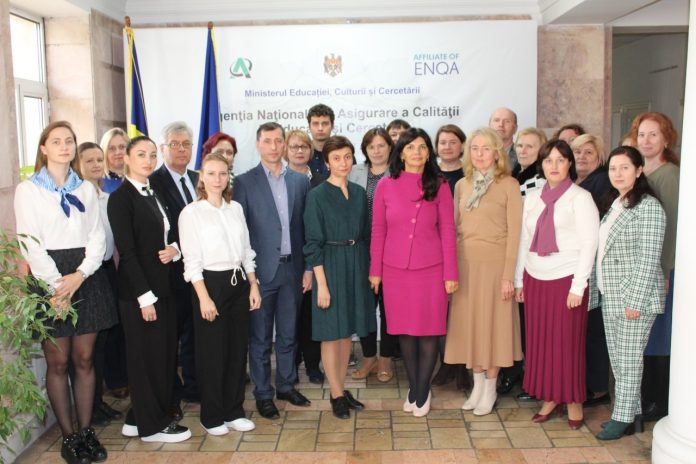
In an era where education is the key to personal and societal progress, ensuring the highest standards of quality in educational institutions is paramount. This necessity has led to the formation of partnerships between leading quality assurance bodies. One such notable collaboration is between the International Association for Quality Assurance in Pre-Tertiary & Higher Education (QAHE) and the National Agency for Quality Assurance in Education and Research (ANACEC). This partnership signifies a robust commitment to elevating global educational excellence and promoting a culture of excellence across diverse educational landscapes.

Origins and Evolution of ANACEC

ANACEC is an administrative authority and non-profit entity. The government established it on April 22, 2015, through Decision no. 191. Initially, they named it the National Agency for Quality Assurance in Professional Education (ANACIP). At that time, ANACIP focused on overseeing the quality of professional education in Moldova and played a key role in enhancing educational standards. However, in recognition of the need for a broader approach, the agency was renamed the National Agency for Quality Assurance in Education and Research (ANACEC) on February 28, 2018, under Government Decision no. 201.

ANACEC structured its organization to ensure effective governance and administration. The Governing Board, which includes the President, Vice-President, and Secretary-General, oversees its operations. Profile committees and an administrative apparatus support the board. The apparatus operates through four Directions, eight Sections, and six Services, employing 37 of the 55 authorized positions. This well-organized structure enables ANACEC to effectively fulfill its mission of promoting a culture of quality in education and research.

Mission and Objectives of ANACEC

The mission of ANACEC is to implement state policies and support the development of education and research based on international standards. It promotes a culture of quality across general education, vocational training, higher education, continuous learning, and research. ANACEC ensures that educational institutions in Moldova meet both national and international quality standards.

ANACEC’s main objectives and functions include:

  1. Promoting Quality Culture: Developing and promoting a culture of quality in educational institutions and research organizations to align with international standards.
  2. Evaluation of Study Programs: Assessing study programs and the capacity of education providers to achieve quality standards.
  3. Assessment of Research Capacity: Evaluating the capacity and effectiveness of research and innovation organizations.
  4. Ensuring Compliance with Standards: Ensuring the application of national standards and the Standards and Guidelines for Quality Assurance in the European Higher Education Area across all levels of education.

The Role of QAHE in Global Education

The International Association for Quality Assurance in Pre-Tertiary & Higher Education (QAHE) is a globally recognized accreditation body. It is dedicated to enhancing the quality of education across pre-tertiary and higher education institutions. QAHE aims to provide a rigorous and credible accreditation process. This ensures that educational institutions meet high standards of quality and effectiveness. By promoting international standards, QAHE aims to facilitate the recognition and acceptance of educational qualifications worldwide.

The Synergistic Partnership

The partnership between QAHE and ANACEC is founded on a shared vision of promoting quality education and fostering continuous improvement in educational institutions. This collaboration leverages the strengths and expertise of both organizations to achieve common goals.

  1. Mutual Recognition of Standards: QAHE and ANACEC collaborate to align and mutually recognize their accreditation standards. Consequently, this alignment simplifies the transfer and recognition of qualifications across borders. It also promotes global mobility for students and educators.
  2. Sharing Best Practices: Moreover, QAHE and ANACEC frequently exchange knowledge and best practices in quality assurance. This ongoing exchange helps both organizations stay current with advancements. It also enables them to continuously refine their accreditation processes.
  3. Promoting International Standards: Together, QAHE and ANACEC encourage the adoption of international standards in education and research. As a result, institutions in Moldova and beyond can align with global benchmarks. This alignment improves their credibility and competitiveness.
  4. Supporting Continuous Improvement: Furthermore, the partnership highlights the value of continuous improvement in education. QAHE and ANACEC offer guidance and support to help institutions identify gaps. They also assist in implementing strategies to boost quality and performance.

Impact of the Partnership

The collaboration between QAHE and ANACEC has significantly impacted educational institutions in Moldova and beyond. As a result, institutions accredited by QAHE and ANACEC gain increased recognition and credibility, which attracts more students, faculty, and funding. Additionally, the rigorous accreditation processes ensure these institutions meet high-quality standards, offering students valuable and relevant education.

Furthermore, the partnership has fostered a strong culture of quality and continuous improvement in both education and research. For instance, educational institutions are encouraged to adopt best practices, embrace innovation, and regularly evaluate their performance. Consequently, this culture of excellence strengthens the education sector and helps institutions better address society’s evolving needs.

Conclusion

The partnership between the International Association for Quality Assurance in Pre-Tertiary & Higher Education (QAHE) and the National Agency for Quality Assurance in Education and Research (ANACEC) marks a significant step in improving global education and research quality. By working together, they promote international standards and support continuous improvement. As a result, this collaboration ensures that educational institutions provide high-quality and relevant education. Furthermore, it underscores the importance of quality assurance in education and its role in fostering global educational excellence. For more information, visit QAHE’s website.

Starting an Online Educational Institution: A Comprehensive Guide

0
starting an online educational institution

In today’s digital age, the demand for online education has surged, creating a vibrant opportunity for educators and entrepreneurs alike. If you’re considering starting your own online educational institution, this guide will walk you through the essential steps and highlight the importance of accreditation, particularly through organizations like the International Association for Quality Assurance in Pre-Tertiary & Higher Education (QAHE).

The first step in starting an online educational institution is to define your vision. What subjects or skills will you teach? Will you focus on a specific niche, such as technology, business, or the arts? Identifying your target audience is also crucial. Are you aiming to attract high school students, working professionals, or lifelong learners? A clear vision will guide your curriculum development and marketing strategies.

A solid business plan serves as the foundation for your online institution. It should outline your goals, target market, financial projections, and marketing strategies. Consider how you will generate revenue—through tuition fees, grants, or partnerships. Additionally, think about the resources you will need, including technology, course materials, and staff. A well-thought-out business plan not only helps in securing funding but also provides a roadmap for your institution’s growth.

Once your vision and business plan are in place, it’s time to develop your curriculum. Your courses should be engaging, relevant, and designed to meet the needs of your students. Incorporate various teaching methods, such as video lectures, interactive quizzes, and discussion forums, to enhance the learning experience. Additionally, consider offering certifications or diplomas to add value to your courses, making them more attractive to prospective students.

Selecting the right technology platform is critical for the success of your online institution. Look for a learning management system (LMS) that is user-friendly and offers features such as course management, student tracking, and communication tools. Popular options include Moodle, Canvas, and Blackboard. Ensure that your platform can scale as your institution grows and can integrate with other tools you may need, such as payment processing and student information systems.

Quality assurance is paramount in education. By implementing robust quality assurance measures, you can ensure that your programs meet high standards. This is where accreditation comes into play. Partnering with an accrediting body like QAHE can help validate your institution’s quality and enhance its reputation. Accreditation not only assures students of the educational quality but also opens doors for partnerships and funding opportunities, making your institution more competitive in the market.

With your institution ready to launch, effective marketing is crucial to attract students. Utilize digital marketing strategies such as SEO, content marketing, and social media advertising to reach your target audience. Create informative blog posts, webinars, and online events to showcase your expertise and engage potential students. Building a strong online presence through your website and social media channels will help establish credibility and attract enrollments.

Creating a supportive and interactive learning environment is essential for student success. Encourage communication between students and instructors through discussion boards and virtual office hours. Provide resources for academic support, such as tutoring or counseling services. Regularly gather feedback from students to improve course offerings and address any concerns. A nurturing environment fosters student retention and satisfaction, which is vital for your institution’s reputation.

Starting an online educational institution requires compliance with various regulations, which can vary by country and state. Ensure that you understand the legal requirements for operating an educational institution in your area, including necessary licenses and permits. Consulting with legal experts in education can provide clarity and help you avoid potential pitfalls. Staying informed about regulatory changes is essential to maintain compliance and protect your institution.

Once your institution is up and running, continuous improvement should be a priority. Regularly assess your courses and teaching methods to ensure they remain relevant and effective. Engaging with accrediting bodies like QAHE can provide guidance on best practices and standards. Their expertise can help you navigate the complexities of accreditation, ensuring your institution meets global quality benchmarks.

Starting an online educational institution is an exciting venture filled with potential. By following these steps and prioritizing quality through accreditation with organizations like QAHE, you can establish a reputable institution that provides valuable education to students worldwide. For more information on accreditation services and to explore how QAHE can support your journey in higher education, visit www.qahe.org. Their commitment to quality assurance can be a vital asset as you strive for excellence in online education.