spot_img
Home Blog Page 47

Elevating Business Education: The Importance of Accreditation

0
importance of business education accreditation

In an increasingly competitive global marketplace, the quality of business education is under the microscope. Accreditation serves as a vital benchmark for institutions aiming to demonstrate their commitment to excellence. Various accrediting bodies, including the Association of MBAs (AMBA), AACSB International, QAHE, ACBSP, IACBE, and the European Foundation for Management Development (EFMD), play key roles in this effort. Each ensures that business programs meet high standards of quality and effectiveness.

A Closer Look at Key Accreditations

AMBA Accreditation is synonymous with quality in postgraduate business education. Recognized globally, AMBA focuses on the quality and relevance of MBA programs. To achieve this accreditation, institutions undergo a rigorous evaluation process. They must demonstrate a commitment to continuous improvement and strong ties to the business community. Graduates from AMBA-accredited programs are often better positioned in the job market due to the credibility associated with their degrees.

AACSB International, one of the oldest and most prestigious accrediting bodies, sets a high bar for business schools. Only about 5% of business schools worldwide achieve AACSB accreditation. This recognition highlights a commitment to quality in curriculum, faculty qualifications, and student outcomes. Institutions with AACSB accreditation are often viewed as leaders in business education.

The Accreditation Council for Business Schools and Programs (ACBSP) emphasizes teaching excellence and student learning. Specifically, ACBSP accreditation is based on a comprehensive set of criteria that evaluates both faculty qualifications and academic programs. As a result, this focus ensures that institutions provide a quality education that meets the evolving needs of students and employers alike.

Similarly, the International Assembly for Collegiate Business Education (IACBE) promotes quality in business programs through a mission-driven approach. IACBE accreditation requires institutions to demonstrate accountability and effectiveness in their educational offerings, making it a valuable asset for schools looking to distinguish themselves in the crowded education landscape.

The EFMD Quality Improvement System (EQUIS) and EFMD Programme Accreditation focus on enhancing the quality of management education. EQUIS assesses institutions on various criteria, including governance and internationalization, while programmatic accreditation evaluates individual programs to ensure alignment with international standards and best practices.

Introducing QAHE Programmatic Accreditation

While these prestigious accreditations are essential for enhancing the credibility of business programs, institutions can further strengthen their educational offerings through the programmatic accreditation provided by the International Association for Quality Assurance in Pre-Tertiary & Higher Education (QAHE). This process involves a thorough evaluation of curricula, faculty qualifications, and academic resources, ensuring that programs meet rigorous quality standards.

QAHE’s programmatic accreditation complements existing recognitions from organizations like AMBA and AACSB. It provides a structured framework for continuous improvement, helping institutions refine their offerings and better prepare students for the demands of the business world.

Conclusion

As the landscape of business education evolves, accreditation remains a critical component in assuring quality and relevance. While AMBA, AACSB, ACBSP, IACBE, and EFMD provide esteemed pathways for recognition, integrating QAHE Programmatic Accreditation offers additional assurance of excellence.

Institutions navigating higher education accreditation can benefit from embracing multiple accreditation pathways. This approach enhances educational outcomes and better aligns with industry needs. As the demand for quality business education continues to rise, institutions that prioritize accreditation will undoubtedly find themselves at the forefront of the educational landscape.

For more information on how QAHE can support your institution’s accreditation journey, visit QAHE Programmatic Accreditation.


QAHE Strengthens Educational Landscape in Uzbekistan with ARIA Partnership

0
QAHE ARIA partnership

In a move set to transform educational quality assurance in Uzbekistan, the International Association for Quality Assurance in Pre-Tertiary & Higher Education (QAHE) has forged a strategic alliance with the Accreditation and Rating International Agency (ARIA). This partnership marks a major step forward for QAHE in the region, as it aims to improve educational standards and streamline accreditation processes across Uzbekistan.

Furthermore, the recent signing of a Memorandum of Understanding (MOU) between QAHE and ARIA establishes mutual recognition of accredited institutions and programs. As a result, this collaboration will streamline accreditation procedures and promote cross-border educational initiatives. Ultimately, it aims to enhance the quality of educational offerings from both organizations.

A Focus on Quality Assurance

QAHE has established itself as a premier accrediting body, dedicated to upholding high standards in educational institutions across Europe, Asia, and Africa. Its rigorous accreditation processes ensure that academic programs meet essential quality benchmarks. This commitment aligns perfectly with ARIA’s goal of enhancing educational quality not only in Uzbekistan but throughout Central Asia.

Founded in 2024, ARIA is Uzbekistan’s first non-governmental organization focused on assessing educational institutions and programs. ARIA aims to meet the needs of students, educational bodies, and employers, positioning itself to significantly influence the region’s educational landscape.

ARIA’s Network and Affiliations

ARIA’s strength is amplified by its extensive network of memberships and partnerships. The agency collaborates with renowned organizations, including the Central and Eastern European Network of Quality Assurance Agencies in Higher Education (CEENQA) and the European Association for Quality Assurance in Higher Education (ENQA). These affiliations not only enhance ARIA’s credibility but also provide access to best practices in quality assurance.

The agency collaborates with international bodies like the Silk Road Universities Network and the Council for Higher Education Accreditation. This engagement allows it to join global discussions and stay updated on the latest trends in educational quality assurance.

Advantages of the MOU

The MOU between QAHE and ARIA is poised to deliver a range of benefits for both organizations and their accredited institutions. By recognizing each other’s accreditation processes, institutions will gain access to wider markets, boosting their international visibility and collaboration opportunities. This reciprocal recognition will simplify credit transfers for students, fostering greater academic mobility.

Furthermore, the partnership will facilitate the exchange of best practices in quality assurance, enabling both agencies to refine their standards and processes. Plans for joint conferences, workshops, and training programs are in the works to cultivate a broader pool of qualified experts in the field.

Future Collaborative Efforts

As they look ahead, QAHE and ARIA are eager to explore additional collaborative initiatives to deepen their partnership. Moreover, they are considering developing joint accreditation programs that follow international standards. This will provide a clear pathway for institutions seeking dual accreditation. Ultimately, the initiative aims to enhance the credibility of educational programs and ensure they meet the needs of students and employers in a competitive global market.

Furthermore, both organizations are eager to conduct joint research and benchmarking studies. These efforts will help assess the effectiveness of their quality assurance processes. By combining their expertise, QAHE and ARIA aim to contribute meaningfully to the ongoing dialogue on educational quality and standards.

Conclusion

The alliance between QAHE and ARIA marks a pivotal moment in the realm of educational quality assurance in Uzbekistan. Through their commitment to mutual recognition and strategic collaboration, both agencies are set to create a lasting impact on the global educational landscape. This partnership not only enhances the credibility of accredited institutions but also highlights the importance of maintaining high educational standards.

As QAHE and ARIA begin their collaboration, they invite educational institutions, stakeholders, and experts to join their mission to elevate education quality worldwide. By sharing knowledge and resources, the partnership aims to foster continuous improvement that benefits both students and institutions.

For further details about this partnership and its implications, please visit the website of QAHE.

QAHE and AAHEA: A Strategic Partnership to Elevate Global Higher Education Accreditation

0
QAHE and AAHEA partnership for global accreditation

In a move poised to reshape the landscape of higher education, the International Association for Quality Assurance in Pre-Tertiary and Higher Education (QAHE) has signed a Memorandum of Understanding (MOU) with the American Association for Higher Education and Accreditation (AAHEA). This partnership represents a significant step toward enhancing accreditation standards globally, fostering mutual recognition, and improving educational quality across borders. As the market for higher education continues to evolve, this collaboration will meet the growing demand for quality assurance and credibility in academic credentials.

The Growing Need for Accreditation

In today’s interconnected world, students and educational institutions are increasingly seeking recognition and validation of their programs across international borders. Furthermore, with the proliferation of online education and cross-border learning opportunities, accreditation has become a critical factor in ensuring that academic programs meet established quality standards. As a result, institutions that can demonstrate their accreditation from recognized bodies gain a competitive edge in attracting both students and faculty.

The partnership between QAHE and AAHEA directly addresses this need. By recognizing each other’s accreditation standards and processes, both organizations will simplify the pathway for institutions to achieve dual accreditation. Consequently, this enhances the credibility of accredited programs and ensures that students receive a quality education recognized globally.

Key Benefits of the MOU

The MOU between QAHE and AAHEA outlines several key areas of collaboration that will provide substantial benefits for educational institutions. One of the foremost advantages is the mutual recognition of accreditation standards. As a result, institutions accredited by one body can gain acknowledgment from the other, broadening their market reach and increasing their attractiveness to prospective students.

Additionally, this partnership will facilitate information sharing on best practices, current trends, and accreditation standards. By exchanging insights, both organizations can continuously improve accreditation, ensuring its relevance in an evolving educational landscape. Consequently, this shared learning empowers institutions to enhance quality assurance, ultimately benefiting students and the broader community.

Streamlining Accreditation Processes

The MOU also emphasizes the development of clear pathways for institutions seeking dual accreditation. Navigating the accreditation process can be complex and time-consuming, often requiring significant resources. QAHE and AAHEA streamline processes to help institutions gain recognition from both organizations. This reduces administrative burdens and lets them focus on delivering quality education.

This efficiency is particularly crucial for institutions operating in competitive markets. More educational providers seek accreditation to establish credibility. Swift navigation of the process can set institutions apart. The QAHE-AAHEA partnership boosts the reputation of accredited institutions and attracts students who value quality education.

Supporting Diverse Educational Communities

Both QAHE and AAHEA are committed to supporting diverse educational communities. AAHEA’s affiliation with the Department of Veteran’s Affairs Center for Faith-Based and Neighborhood Partnerships shows its commitment to inclusivity. This dedication supports various educational sectors. QAHE shares this focus, promoting quality assurance in education for all institutions, regardless of focus or demographic.

As the higher education market becomes more diverse, the QAHE and AAHEA collaboration will help grow programs that meet various student needs and backgrounds. This adaptability is essential in a global market where educational demands are continually shifting.

Future Prospects for Higher Education

The QAHE and AAHEA partnership is set to last for five years, with the potential for renewal. This long-term commitment to collaboration signifies a shared vision for enhancing higher education standards worldwide. As both organizations implement the MOU, we can expect positive changes in the accreditation landscape, which will benefit students, educators, and institutions alike.

Furthermore, as online learning rises and education becomes more global, the demand for accredited programs is expected to grow. Institutions that show their commitment to quality through recognized accreditation will be well-positioned to thrive in this competitive environment. Ultimately, the QAHE-AAHEA partnership serves as a model for how organizations can collaborate to elevate educational standards and respond to the evolving needs of the market.

Conclusion

The recent signing of the MOU between QAHE and AAHEA marks a pivotal moment for higher education. This partnership aims to drive excellence in the field. By enhancing accreditation processes and fostering mutual recognition, this partnership will directly benefit institutions and students across the globe. Furthermore, as the landscape of higher education continues to evolve, collaborations like this will be instrumental in ensuring that educational programs meet the highest standards of quality and credibility.

In addition, as students become more discerning about their educational choices, accreditation plays an even more crucial role in guiding their decisions. The QAHE and AAHEA alliance addresses current market demands while paving the way for a more integrated and quality-focused approach to higher education. For more information on this partnership and its implications for accreditation, visit www.qahe.org.uk.

QAHE and NICTSCE Forge Strategic Partnership to Enhance Quality Assurance in Education

0
QAHE and NICTSCE partnership

In a significant advancement for educational quality assurance, the International Association for Quality Assurance in Pre-Tertiary and Higher Education (QAHE) has announced a strategic partnership with the Nigeria Council for Theological Studies and Christian Education (NICTSCE). This collaboration aims to strengthen quality assurance practices in education through mutual recognition of accreditation processes for their respective member institutions.

Purpose of the Partnership

The signing of a Memorandum of Understanding (MOU) between QAHE and NICTSCE marks a pivotal moment in enhancing educational standards. The partnership focuses on key objectives that align with the mission of both organizations, ultimately benefiting institutions and students alike.

One of the primary goals is to foster collaboration between QAHE and NICTSCE. This will strengthen a network of educational institutions committed to quality. By working together, both organizations can share resources, best practices, and expertise. This will enhance the quality of education for students.

Mutual Recognition of Accreditation

Another key aspect of the partnership is the mutual recognition of accredited programs and institutions that meet the high standards of QAHE and NICTSCE. This recognition is crucial for institutions in theological studies and other fields. It ensures programs align with international quality standards, boosting their credibility.

Through this mutual recognition, institutions accredited by QAHE will be acknowledged by NICTSCE and vice versa. This collaborative approach not only broadens the recognition of accredited institutions but also encourages institutions to strive for excellence in their educational offerings. Students can feel more confident about the quality of their education, knowing that recognized bodies accredit their programs.

Key Responsibilities of Both Organizations

Under the terms of the MOU, QAHE and NICTSCE have outlined specific responsibilities to ensure the success of the partnership. QAHE will provide accreditation guidelines aligned with international standards. It will also facilitate training workshops to help institutions understand and implement these standards. This focus on professional development is crucial. It equips institutions with the tools needed to enhance their quality assurance processes.

On the other hand, NICTSCE will contribute by offering accreditation guidelines tailored to theological studies. They will also conduct training workshops for QAHE members, ensuring that all parties involved understand the accreditation requirements specific to their fields. This collaborative effort aims to create a seamless accreditation process that benefits all stakeholders.

Commitment to Educational Excellence

The partnership between QAHE and NICTSCE reflects a broader commitment to educational excellence. By combining their resources and expertise, both organizations aim to improve educational quality. As a result, member institutions will be better equipped to meet the highest standards of delivery.

Moreover, QAHE has consistently demonstrated its dedication to enhancing quality assurance in education. Recognized by international bodies such as the National Agency for Quality Assurance in Education & Research in Moldova and the Council on International Higher Education Supervision in Austria, QAHE has built a solid reputation as a leading authority in quality assurance. Consequently, the new partnership with NICTSCE further solidifies this commitment, particularly in the realm of theological education.

The Impact on Educational Quality

The collaboration is expected to have a profound impact on the quality of education offered by member institutions. By sharing best practices and resources, institutions can implement more effective quality assurance processes, leading to improved educational outcomes for students.

In an increasingly competitive global educational landscape, the ability to demonstrate accredited status from recognized bodies is essential. Students and parents alike are becoming more discerning when choosing educational institutions, making accreditation a key factor in their decision-making process. The QAHE-NICTSCE partnership will empower institutions to differentiate themselves through their commitment to quality.

Looking to the Future

As this partnership unfolds, both QAHE and NICTSCE are optimistic about the positive changes it will bring to education. The commitment to collaboration, mutual recognition, and shared resources will create a robust framework for quality assurance that benefits institutions and students alike.

The educational landscape is constantly evolving. Partnerships like this are crucial to help institutions meet the demands of a changing world. By prioritizing quality assurance, both organizations enhance their missions. They also contribute to the global advancement of education.

In conclusion, the strategic partnership between QAHE and NICTSCE represents a forward-thinking approach to quality assurance in education. By leveraging their strengths, these organizations are well-positioned to improve educational outcomes, foster collaboration, and uphold the highest standards in academic excellence. For more information about QAHE and its initiatives, visit www.qahe.org.uk.

QAHE Launches Sample Self-Evaluation Report to Streamline Programmatic Accreditation

0
QAHE programmatic accreditation

In a significant move aimed at enhancing the quality of educational programs worldwide, the International Association for Quality Assurance in Pre-tertiary and Higher Education (QAHE) has unveiled a new initiative designed to simplify the programmatic accreditation process for educational institutions. This initiative includes a comprehensive sample self-evaluation report. It serves as a vital resource for institutions navigating the complex accreditation process.

Accreditation is a critical component in ensuring that educational programs meet established quality standards. However, the accreditation process can be daunting, often requiring detailed documentation and a thorough assessment of an institution’s educational offerings. To address these challenges, QAHE’s sample self-evaluation report provides a structured framework, outlining key areas of assessment and the evidence necessary for successful accreditation.

Natasha, a spokesperson for the QAHE Accreditation Committee, emphasized the importance of this new tool. “We recognize that many institutions face significant hurdles during the accreditation process,” she stated. “By offering a sample self-evaluation report, we aim to provide guidance that helps institutions effectively demonstrate their commitment to quality education.”

The report not only serves as a template for institutions but also highlights best practices in self-assessment. By using this resource, educational providers can focus on improving their programs. This approach helps institutions avoid getting bogged down by administrative complexities. It is expected to significantly improve the accreditation experience for many institutions.

Institutions of all sizes and types can download the sample self-evaluation report from the QAHE official website. Furthermore, this initiative is part of QAHE’s ongoing commitment to promoting excellence in education through rigorous accreditation standards and support for institutions worldwide.

As the higher education landscape continues to evolve, the introduction of this resource is timely. Moreover, as institutions adapt to changing demands and improve their offerings, tools like the sample self-evaluation report can play a key role. It not only streamlines the accreditation process but also enhances the quality of education for learners.

QAHE demonstrates its commitment to fostering educational excellence through its recognition as a leading authority in quality assurance. By simplifying the accreditation process, QAHE supports institutions in their pursuit of quality. It also reinforces the importance of accountability in education.

As educational institutions recognize the value of accreditation, initiatives like QAHE’s sample self-evaluation report are essential. These tools help institutions meet accreditation standards. They also support continuous program improvement, ensuring high-quality education in a competitive global market.

For more information on QAHE and its accreditation services, interested institutions can visit www.qahe.org.uk.

Elevate Your Professional Development: The Power of Accreditation in Continuing Education

0
accreditation in continuing education

In an era where the job market is constantly evolving, the importance of professional development cannot be overstated. For individuals looking to sharpen their skills or pivot their careers, continuing education courses provide a vital resource. However, not all educational programs offer the same level of quality or recognition. This is where accreditation in continuing education comes into play—a hallmark of excellence that can significantly enhance the value of your educational investment.

The Role of Accreditation

Accreditation serves as a seal of approval, assuring students and employers alike that a program meets rigorous quality standards. It involves a thorough evaluation by independent accrediting bodies, which assess the curriculum, faculty qualifications, and overall learning environment.

Why Choose an Accredited Program?

1. Quality Assurance

When you enroll in an accredited continuing education course, you can trust that the program has undergone comprehensive scrutiny. This process not only evaluates the curriculum but also examines teaching methodologies and student outcomes, ensuring a high-quality educational experience.

2. Enhanced Career Opportunities

In a competitive job market, employers often favor candidates who have completed accredited programs. An accredited course not only boosts your resume but also communicates your commitment to professional growth and adherence to industry standards.

3. Access to Expertise and Resources

Accredited institutions are typically well-connected within their industries, offering students access to up-to-date resources, networking opportunities, and partnerships that can enhance their learning experience.

4. Commitment to Improvement

Accreditation is not a one-time achievement; rather, it involves ongoing assessment and continuous improvement. Furthermore, accredited programs regularly evaluate their offerings, ensuring they remain relevant and effective in meeting the evolving needs of today’s professionals. As a result, these programs can quickly adapt to changes in the industry and deliver high-quality education.

Spotlight on QAHE Programmatic Accreditation

For institutions seeking to provide high-quality continuing education, the International Association for Quality Assurance in Pre-Tertiary & Higher Education (QAHE) offers a robust programmatic accreditation process. This accreditation not only elevates the institution’s credibility but also enhances the value of the programs offered.

Key Highlights of QAHE Accreditation:

  • Comprehensive Review Process: Accreditation begins with a self-evaluation, followed by an external review by QAHE’s Accreditation Committee. This dual approach ensures a thorough assessment of each program.
  • Tailored Self-Evaluation: Each program seeking accreditation must prepare a distinct self-evaluation report, allowing for a focused examination of its unique strengths and areas for improvement.
  • Ongoing Support and Feedback: Institutions receive constructive feedback from QAHE, helping them to make necessary adjustments and improvements continually.

By achieving QAHE accreditation, educational providers can showcase their dedication to quality and the professional advancement of their students.

The Path Forward

As you consider your options for professional development, it is essential to remember the critical role accreditation plays in the educational landscape. Choosing an accredited program is not just about gaining knowledge; rather, it’s about making a long-term investment in your future.

Moreover, if you are an educational institution looking to enhance your offerings, it’s worth exploring the accreditation options available through QAHE. By committing to quality assurance, you can not only elevate your programs but also attract more students. Furthermore, you will help ensure that your graduates are well-prepared to tackle the challenges of their careers.

To discover more about how QAHE’s programmatic accreditation can benefit your institution and its students, visit QAHE Programmatic Accreditation. Embrace the opportunity to stand out in the crowded field of professional education and provide your students with the credentials they need to succeed.

In a world where continuous learning is essential, let accreditation guide your path to excellence!

Business Programs Accreditation and Agencies Worldwide

0
business program accreditation

Accreditation plays a crucial role in ensuring the quality and credibility of educational programs, particularly in the field of business. As globalization intensifies and the demand for skilled professionals grows, accreditation serves as a benchmark for educational institutions, helping them maintain high standards and foster continuous improvement. This article explores the importance of business program accreditation, various accrediting agencies worldwide, and how institutions can benefit from aligning with recognized accrediting bodies.

Why Accreditation Matters

Accreditation is a process where external organizations evaluate educational institutions and programs against established standards. For business programs, accreditation assures students, employers, and stakeholders that the institution meets rigorous academic and operational criteria. Accreditation enhances the institution’s credibility and improves the quality of education, ensuring that graduates are well-prepared to meet the job market’s demands.

Moreover, accredited programs often have access to additional resources and networking opportunities, which can lead to partnerships with industry leaders and further enhance the educational experience. Employers tend to prefer graduates from accredited institutions, as they are seen as more qualified and better equipped with the necessary skills.

Key Accrediting Agencies

Several accrediting agencies specialize in business education, each with its own set of criteria and focus areas. Here are some of the most recognized accrediting bodies worldwide:

1. AACSB International

The Association to Advance Collegiate Schools of Business (AACSB) is one of the most prestigious accrediting bodies for business schools globally. Established in 1916, AACSB awards accreditation to institutions that demonstrate excellence in teaching, research, and service. As a result, AACSB-accredited schools demonstrate a commitment to continuous improvement. Additionally, they earn recognition for their significant contribution to the field of business education.

2. AMBA

The Association of MBAs (AMBA) focuses specifically on accrediting MBA programs. Founded in 1967, AMBA accreditation signifies that a program meets rigorous standards of quality and relevance. Furthermore, AMBA-accredited programs emphasize real-world business challenges, ensuring that students gain a comprehensive understanding of global business dynamics. As a result, graduates are well-prepared to navigate the complexities of the business world.

3. EQUIS

The European Quality Improvement System (EQUIS) is another esteemed accrediting body, particularly in Europe. Managed by the European Foundation for Management Development (EFMD), EQUIS accreditation evaluates business schools based on various criteria. These include governance, strategy, and internationalization. Schools that earn EQUIS accreditation demonstrate a commitment to high-quality education and a global perspective.

4. IACBE

The International Accreditation Council for Business Education (IACBE) works to advance the quality of business education worldwide. Specifically, IACBE focuses on outcomes-based accreditation, which emphasizes the achievement of student learning outcomes as a measure of program effectiveness. Additionally, institutions accredited by IACBE demonstrate a strong commitment to continuous improvement and accountability. As a result, they ensure their programs remain effective and relevant in a constantly evolving academic landscape.

5. QAHE

The International Association for Quality Assurance in Pre-Tertiary and Higher Education (QAHE) is an emerging player in the accreditation landscape. As such, QAHE offers a comprehensive accreditation process for various educational programs, including business degrees. Moreover, QAHE promotes excellence and integrity in education, helping institutions align with international standards and enhance their overall quality.

Additionally, institutions accredited by QAHE can tap into its global network of partners and resources, boosting their credibility and reputation in the competitive education market. Furthermore, QAHE’s commitment to quality assurance ensures that institutions can confidently maintain their accreditation status. As a result, this helps build trust among prospective students and employers.

The Accreditation Process

The accreditation process typically involves several stages, including self-evaluation, peer review, and continuous improvement. Institutions seeking accreditation must first conduct a thorough self-assessment to identify strengths and weaknesses. This self-evaluation is followed by an external review by a panel of experts from the accrediting agency, who assess the institution’s adherence to established standards.

Once accredited, institutions are required to maintain their standards through ongoing assessments and improvements. This cyclical process ensures that accredited programs continually enhance their quality and relevance in the ever-evolving business landscape.

Benefits of Accreditation

Accreditation offers numerous benefits to educational institutions, including:

  1. Enhanced Credibility: Accreditation provides a mark of quality that can attract students and faculty, as well as partnerships with industry leaders.
  2. Access to Resources: Accredited institutions often gain access to funding opportunities, networking events, and collaborative initiatives that can enhance their educational offerings.
  3. Improved Student Outcomes: Accreditation encourages continuous improvement, leading to better teaching methods, curricula, and student support services, ultimately resulting in higher student satisfaction and success rates.
  4. Global Recognition: Accreditation from recognized agencies can open doors for institutions in the global education market, making their programs more attractive to international students.

Conclusion

In today’s competitive educational landscape, business program accreditation is crucial for institutions aiming to offer high-quality education. Moreover, accreditation plays a key role in preparing graduates for successful careers. Several accrediting agencies, including AACSB, AMBA, EQUIS, and IACBE, provide institutions with various options. Each agency offers standards that align with different missions and goals, allowing institutions to choose the best fit.

Among these, QAHE stands out as a versatile accrediting body that supports institutions in achieving excellence in business education. By partnering with QAHE, institutions can not only enhance their credibility but also gain access to valuable resources. Additionally, QAHE’s commitment to quality assurance in education contributes to the advancement of business education worldwide. As the demand for qualified business professionals continues to grow, accreditation will remain a vital component in shaping the future of business education. For more information on how QAHE can support your institution’s accreditation journey, visit www.qahe.org.

Elevating Educational Standards: Discover QAHE

0
[QAHE-accredited institution: Kyrgyz National Agrarian University]

In today’s fast-paced global education landscape, accreditation plays a crucial role in ensuring quality and credibility for educational institutions. The International Association for Quality Assurance in Pre-Tertiary and Higher Education (QAHE) stands at the forefront of this movement, providing a robust framework for assessing and validating educational excellence. With a commitment to fostering transparency, integrity, and accountability, QAHE is dedicated to enhancing the quality of education worldwide.

What is QAHE?

QAHE is an independent, non-governmental accrediting agency recognized by various national and international bodies. It specializes in accrediting private universities and educational institutions, ensuring they meet rigorous standards of academic excellence. By partnering with over 250 accredited institutions and more than 50 strategic partners globally, QAHE has established itself as a leader in the field of educational quality assurance.

The Importance of Accreditation

Accreditation is important for educational institutions for several reasons. It acts as a quality benchmark, helping students and parents make informed choices. QAHE’s accreditation process looks at the curriculum, faculty qualifications, infrastructure, and student support services. Institutions with QAHE accreditation show their commitment to high educational standards.

Accreditation also drives ongoing improvement. QAHE conducts regular reviews and assessments, encouraging institutions to continually improve their programs. This self-assessment ensures that educational offerings stay relevant and meet the changing needs of the job market.

Diverse Accreditation Services

QAHE offers a wide range of accreditation services tailored to various educational sectors. QAHE offers programmatic accreditation and certifications for eLearning providers, K-12 schools, Bible schools, and EduTech companies. This variety helps institutions find the right accreditation path to meet their goals and boost their global credibility.

In addition to traditional accreditation, QAHE also provides ISO certifications in partnership with AQS (UK). These certifications validate an institution’s commitment to quality. They also provide a competitive edge and instill confidence among stakeholders, including students, parents, and employers.

Honorary Awards and Recognition

QAHE recognizes outstanding contributions to education through its prestigious Honorary Awards. For instance, these include Honorary Fellowships, Honorary Doctorates, and Distinguished Professorships, which are awarded to individuals who have made significant impacts in their fields. Moreover, by celebrating educational excellence, QAHE fosters a culture of achievement and encourages institutions and individuals to consistently strive for the highest standards.

Global Reach and Partnerships

QAHE’s commitment to quality education transcends borders. Moreover, the organization collaborates with various accrediting agencies worldwide, including those in the Middle East, Asia, Europe, Africa, and South America. As a result, these partnerships enhance QAHE’s ability to provide comprehensive accreditation services that effectively meet the needs of diverse educational contexts.

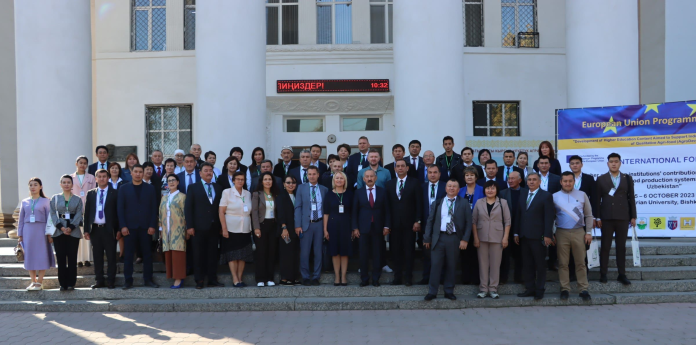
For instance, QAHE has signed MOUs with nationally recognized accrediting agencies in the Kyrgyz Republic, facilitating dual accreditation arrangements. This collaborative approach strengthens the credibility of accredited institutions. It also fosters a global network of educators and administrators.

Success Stories

Numerous institutions have benefited from QAHE’s accreditation services, enhancing their reputation and educational quality. For example, Eden School in Myanmar and Kyrgyz National Agrarian University have both achieved significant milestones through their partnership with QAHE. These institutions exemplify how accreditation can transform educational offerings and elevate institutional standards.

Additionally, QAHE’s recognition of institutions like PhilbeautiQ in the semi-permanent makeup industry demonstrates its adaptability to various fields, ensuring that quality education is available across diverse sectors.

Join the QAHE Community

For educational institutions aspiring to achieve international recognition, QAHE offers a clear pathway to success. By applying for accreditation, institutions can join a prestigious community that is fully dedicated to quality assurance in education. Moreover, the QAHE accreditation process is straightforward and specifically designed to support institutions in their journey toward excellence.

In addition, QAHE provides resources and guidance to help schools and universities consistently meet and exceed educational standards. With a strong focus on continuous improvement and stakeholder satisfaction, QAHE truly stands out as the ideal partner for navigating the complexities of accreditation.

Conclusion

In a world where educational quality is paramount, the International Association for Quality Assurance in Pre-Tertiary and Higher Education (QAHE) is your trusted ally. By offering comprehensive accreditation services, fostering global partnerships, and recognizing excellence through honorary awards, QAHE is committed to elevating educational standards worldwide. Visit www.qahe.org today to learn more about how QAHE can help your institution achieve its accreditation goals and make a meaningful impact in the world of education.

Bank of Japan Governor Ueda’s Remarks Fall Short of Hawkish Expectations; Yen Depreciates 0.5%

0
Bank of Japan Governor Ueda's remarks

In the realm of global finance, the spotlight has recently turned to Japan, where the Bank of Japan (BOJ) Governor Kazuo Ueda has made headlines with his latest statements. At a recent gathering with local business leaders in Nagoya, Ueda indicated that any future adjustments to monetary policy would hinge on economic conditions and price movements. During the discussion of Bank of Japan Governor Ueda’s remarks, it became clear that his comments didn’t quite hit the mark for market participants hoping for a more hawkish stance, leading to a 0.5% depreciation of the yen against the dollar, bringing the exchange rate to 155.14 yen per dollar.

Economic Conditions at the Forefront

During his speech, Ueda emphasized a data-dependent approach to monetary policy adjustments, stating, “The timing for any policy changes will depend on shifts in economic activity, prices, and the outlook for financial conditions.” This cautious tone has left some investors feeling a bit let down, as many had anticipated a stronger signal toward tightening measures.

As the BOJ gears up for its upcoming monetary policy meeting on December 18-19, Bank of Japan Governor Ueda’s remarks are seen as a critical indicator of the central bank’s direction. While some economists surveyed last month suggested that just over half expect a rate hike in December, a significant portion remains convinced that the BOJ may hold off until January.

Market Reactions

The lack of a definitive hawkish signal from Ueda has sparked a reaction in currency markets, with the yen slipping in value. Traders looking for clues about potential interest rate hikes were left wanting, as Ueda’s remarks seemed to lack the urgency that some had hoped for. This uncertainty is reflective of broader concerns about Japan’s economic landscape and the ongoing challenges posed by inflation.

Inflation and Economic Outlook

Japan has faced unique economic challenges, particularly in the context of rising prices. The BOJ has maintained an ultra-loose monetary policy for years, but with inflationary pressures mounting, the conversation around potential rate hikes has intensified. Ueda’s commitment to a data-driven approach indicates that the central bank is not rushing into decisions without clear evidence of sustained economic improvement.

Conclusion

As the BOJ prepares for its next policy meeting, the markets will be closely watching for further signals from Ueda and his team. The recent depreciation of the yen highlights the delicate balance the central bank must maintain as it navigates the complexities of the current economic environment. For now, investors will remain on edge, hoping for clarity on the BOJ’s direction and how it will respond to the evolving economic landscape. The anticipation of potential rate hikes is palpable, but for the moment, it seems the BOJ is treading carefully, much to the chagrin of those eager for more aggressive monetary tightening.

Home Insurance Prices Skyrocket: Realtors Step Up to Help Buyers

0
rising home insurance costs

Homeownership feels like a game of financial hide-and-seek, and one thing is clear: home insurance is getting more expensive. As buyers take a moment to reconsider, some savvy real estate agents are stepping in as insurance advisors. They help clients assess insurance costs before diving into the housing market.

The Rising Costs of Home Insurance

According to a recent report from the San Jose Messenger, insurance prices have soared, causing many potential homebuyers to hesitate. At The Agency, a real estate firm in Danville, agent Cara Gamble checks insurance quotes for properties that interest her clients. She stresses the importance of understanding insurance costs upfront, ensuring buyers know what they’re getting into before making an offer.

In her experience, several buyers have opted not to bid on properties once they discovered the staggering insurance premiums. It seems that the financial reality of homeownership is hitting harder than ever, with buyers suddenly realizing that the price of their dream home might include a hefty insurance bill they hadn’t factored in.

The Wildfire Factor

In the affluent town of Woodside, located in the hills of Silicon Valley, the situation is even trickier. Realtor Scott Hayes has noted a drop in foot traffic at showings. Many buyers are deterred by the high risk of wildfires in the area. As a result, they can only secure insurance through the costly state-backed FAIR Plan. This plan is a last resort for homeowners in high-risk areas and comes with a hefty price tag. Even the most enthusiastic buyers may think twice.

Hayes points out that living in this desirable area comes with the reality of dealing with these exorbitant insurance costs. If you want to live in a beautiful part of California, you better be prepared to pay for it—literally.

A Surge in FAIR Plan Policies

Private insurance companies are sending letters to many California homeowners, informing them that their policies won’t be renewed. As a result, the number of homes covered by the FAIR Plan has surged from about 126,709 to 350,000. It’s clear that the rising costs and uncertainty around home insurance are affecting people’s willingness to buy homes.

Despite these challenges, Hayes reports that none of his clients have pulled out of contracts due to insurance costs—yet. This is largely because he proactively assists them in checking out FAIR Plan quotes before they get too far into the buying process. For instance, for a $2 million home in Woodside, annual insurance premiums can range between $15,000 to $20,000. That’s a hefty chunk of change!

Keeping Buyers in the Game

Even with these high costs, homes in the Bay Area remain highly sought after. Buyers are reluctant to use the “contingency clause” that would allow them to back out of a deal for insurance reasons, fearing they might lose their chance at securing a property in a competitive market.

Another agent at The Agency, Melody Johnson, maintains an updated list of insurance companies still offering new policies. She often reaches out to them on behalf of her clients. Many well-known insurance firms are no longer issuing new policies, leaving smaller, lesser-known companies to fill the gap.

Conclusion

As home insurance costs continue to climb, real estate agents are stepping into the role of insurance consultants to help buyers navigate this challenging landscape. With rising premiums and limited options, it’s more important than ever for potential homeowners to understand the full financial picture before making offers. The housing market may be competitive, but savvy buyers are arming themselves with knowledge and support to make informed decisions. In a world where homeownership feels like a financial tightrope, having a good realtor on your side may just be the safety net you need.