

spot_img
Home Blog Page 48

Taiwanese Fully Automatic Machine: Stir-Fry Extraordinaire and Dumpling Dynamo

0
fully automatic stir-fry machine

In the fast-paced food industry, where time equals money and automation is in high demand, one company is changing the game. Anko Food Tech has partnered with Taiwanese machinery experts to introduce a fully automatic stir-fry machine. This machine doesn’t just stir-fry—it also makes dumplings with ease! It’s designed to save restaurants from the hassle of cooking while ensuring every dumpling is perfectly made.

A Legacy of Culinary Wizardry

Since its inception in Taiwan in 1978, Anko Food Tech has been a leader in food equipment. They specialize in machines that make traditional Asian delights like dumplings, siu mai, and spring rolls. With over 40 years of experience, they’ve perfected food production, proving that magic is real—and it’s powered by engineering and electricity.

Zhang An, the sales wizard at Anko’s North American branch, revealed that they decided to set up shop in Los Angeles because relying on agents was like cooking without a recipe—messy and unreliable. “We wanted direct access to our customers,” he said, “because nothing ruins a reputation faster than bad service.” So, they planted their flag in the U.S. in 2015, ready to serve up dumplings with a side of stellar support.

Support That’s More Reliable Than Your Ex

Anko’s North American team is like the Avengers of food machinery, swooping in to provide everything from equipment installation to after-sales maintenance. “We take customer service seriously,” Zhang emphasized. “We even have engineers on the ground and spare parts at the ready. It’s like having a pizza delivery service, but instead of pizza, it’s dumpling-making machines!”

With over 30 years of experience, Anko is the go-to for food processing plants and central kitchens. They don’t just make dumplings; they’re also expanding into burritos and empanadas, showing their versatility in the culinary world.

Machines That Work Harder Than You

One of Anko’s shining stars is the HLT-700U multifunctional forming machine, which can pump out between 8,000 to 10,000 dumplings per hour. Yes, you read that right—this machine is basically the superhero of the dumpling world. And don’t worry about safety; Anko’s machines are like the Fort Knox of food safety. They meet all North American standards, so you can fry with confidence!

To help customers understand how amazing their machines are, Anko has set up a testing kitchen. Clients can bring their own recipes to try out. It’s like a cooking show, but without the drama. Instead of Gordon Ramsay yelling at you, you get to test your dumplings in peace. Plus, Anko’s in-house food scientists are available to help tweak recipes.

A Future Brighter Than Your Favorite Takeout

Anko is preparing to open a branch in the Netherlands to spread their dumpling magic worldwide. They’re also seeking partnerships with top-tier equipment manufacturers. This shows that their motto of “safe and delicious food” is more than just a tagline; it’s a way of life.

As the food industry continues its wild ride into the future, Anko is committed to staying ahead of the curve. Their new fully automatic stir-fry machine is just the beginning. With a focus on smarter, greener, and more efficient solutions, they’re here to revolutionize food production—one dumpling at a time.

In conclusion, Anko Food Tech is not just cooking up machines; they’re serving up a revolution in the food industry. With their dedication to customer service and innovation, Anko ensures every dumpling is both delicious and easy to produce. As demand for convenience grows, Anko is ready to satisfy cravings and keep the culinary world spinning—no frying pan needed!

Cardinal Training Academy Achieves Full Accreditation from QAHE

0
Cardinal Training Academy accreditation

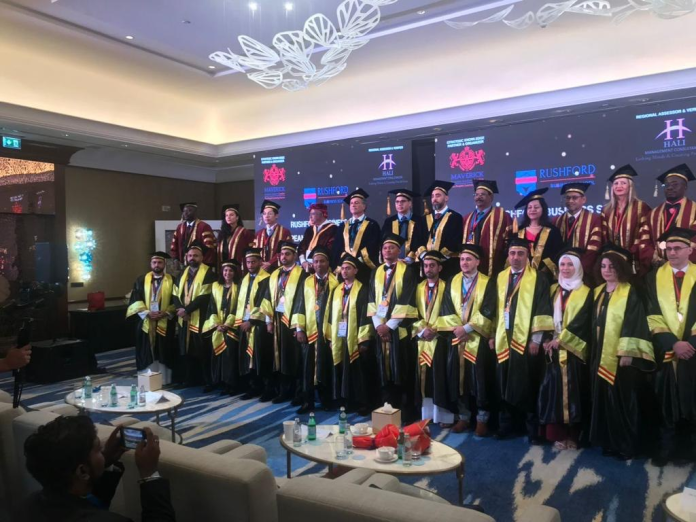
In a significant milestone for educational excellence, Cardinal Training Academy has been granted full accreditation by the International Association for Quality Assurance in Pre-Tertiary & Higher Education (QAHE). This prestigious recognition underscores the academy’s unwavering commitment to providing high-quality education and its pivotal role in developing future leaders and professionals on a global scale.

Commitment to Accessible Education

Cardinal Training Academy has established itself as a leader in making education borderless, accessible, and impactful. With a clear aim to empower individuals and organizations, the academy offers a wide range of educational pathways. These include diploma, degree, master’s, Doctor of Business Administration (DBA), PhD, and European Professional Doctorate (EPD) programs. As a result, learners from diverse backgrounds can gain the knowledge and skills needed to succeed in today’s competitive global landscape.

The academy operates with a clear vision: to inspire and provoke thought while delivering impactful educational experiences. This is reflected in its innovative curriculum and diverse programs, which are specifically designed to meet the needs of modern learners. Moreover, Cardinal Training Academy focuses on accessibility and affordability, actively breaking down barriers to education. Consequently, it ensures that quality learning experiences are available to all.

Strategic Partnerships for Enhanced Learning

Cardinal Training Academy fuels its success through strategic collaborations with esteemed institutions such as Maverick Business Academy, Rushford Business School, Aura International School of Management, and International America University. These partnerships enhance the academy’s offerings and give students access to a global network of resources and expertise.

As a result, students benefit from valuable knowledge and insights gained from both industry leaders and academic scholars. Furthermore, this interconnectedness enhances the learning experience, equipping students with the tools they need to succeed in an increasingly interconnected world.

Innovative Learning Environment

Cardinal Training Academy has campuses in key international hubs like the UK, Dubai, Geneva, and Lyon. This strategic positioning enables the academy to offer transnational education with globally recognized qualifications. Moreover, the institution boasts state-of-the-art facilities, cutting-edge technology, and extensive library resources, all designed to create a conducive learning environment.

The faculty at Cardinal Training Academy includes distinguished scholars, industry experts, and seasoned practitioners. They bring real-world experience to the classroom. This blend of academic rigor and practical insight creates an engaging learning environment. As a result, students are encouraged to think critically and creatively.

Areas of Expertise

Cardinal Training Academy specializes in a variety of fields, catering to the diverse interests and career goals of its students. Key areas of expertise include:

  • International Dual Degree Programs: Offering students the chance to earn degrees from multiple institutions, enhancing their employability and global perspective.
  • Study Abroad Opportunities: Enabling learners to gain international experience and cultural exposure, which is crucial in today’s global job market.
  • Edutainment: Combining education and entertainment to create engaging learning experiences that resonate with students.
  • University Franchising: Collaborating with other institutions to expand educational offerings and reach more learners.
  • Corporate Training: Providing tailored training solutions to organizations, ensuring their workforce remains competitive and skilled.
  • Project Management: Equipping students with the skills needed to manage projects effectively in various industries.
  • IT Risk and Cybersecurity: Addressing the growing demand for expertise in safeguarding digital assets and information.
  • Compliance: Preparing students to understand and navigate regulatory frameworks within their respective fields.

By focusing on these core areas, Cardinal Training Academy positions itself at the forefront of educational innovation and excellence.

Impact on Global Education

QAHE’s recognition of Cardinal Training Academy marks a significant achievement not only for the institution but also for the broader landscape of global education. This accreditation validates the academy’s dedication to maintaining high standards in education and underscores its role as a key player in shaping the future of learning.

Furthermore, QAHE is a non-governmental, independent quality assurance agency recognized by various educational authorities worldwide. Its rigorous accreditation process ensures that institutions meet the necessary benchmarks for quality and integrity in education. As a result, by achieving full accreditation, Cardinal Training Academy demonstrates its commitment to these standards, which will ultimately benefit both its students and the communities they serve.

Future Aspirations

As Cardinal Training Academy celebrates this significant achievement, it remains focused on its mission to positively impact learners from all countries. Furthermore, the institution is poised to lead in educational innovation, continually seeking new ways to enhance its programs and expand its reach.

Looking ahead, Cardinal Training Academy plans to strengthen its partnerships and enhance its curriculum. Additionally, the academy will explore new educational technologies to improve learning outcomes. By embracing change and fostering continuous improvement, it remains committed to preparing students for future challenges and opportunities.

Conclusion

The full accreditation of Cardinal Training Academy by QAHE is a testament to its dedication to educational excellence and innovation. As the academy continues to empower learners and advance education, it stands as a beacon of hope and opportunity in a changing world. Moreover, with strong support, strategic partnerships, and a steadfast commitment to quality, Cardinal Training Academy is well-positioned to make a lasting impact on global education. Consequently, its future looks promising as it strives to further elevate educational standards worldwide.

Pebble Hills University Awards Honorary Doctorate to Dr. Saurabh Pramanick

0
SEO for educational institutions

Pebble Hills University is thrilled to award an honorary doctorate to Dr. Saurabh Pramanick. This prestigious honor recognizes his exceptional contributions to data science, artificial intelligence, and data governance. Moreover, the title, Doctor of Data Science and Artificial Intelligence (Honoris Causa), highlights his remarkable achievements in these rapidly evolving fields.

With over 15 years of extensive experience, Dr. Pramanick has established himself as a trailblazer in using data to drive innovation and efficiency across industries. In addition, as Chief Data Officer and Generative AI Leader, he has successfully led data-centric initiatives. Consequently, these efforts have empowered organizations to fully utilize their data assets. Furthermore, his unwavering dedication has made him a key figure in promoting best practices in data management and analytics.

Dr. Pramanick’s impact reaches far beyond the corporate sector. In addition, his expertise and insights have made a significant mark on academic institutions and the broader community. Through many speaking engagements, he has shared his expertise in data science and analytics. As a result, his insights have inspired countless individuals to explore the potential of data. Furthermore, he excels at translating complex data concepts into actionable strategies. This skill, therefore, has made him a sought-after speaker at global conferences and educational events.

The honorary doctorate not only celebrates Dr. Pramanick’s professional achievements but also underscores his dedication to excellence. Moreover, his visionary approach has significantly shaped the future of data science and artificial intelligence. These disciplines, consequently, continue to integrate into various aspects of life and business operations.

Dr. Pramanick’s work is characterized by a forward-thinking mentality, always seeking innovative solutions to complex problems. His advocacy for ethical data governance has further solidified his reputation as a leader in the field. He emphasizes the importance of using data responsibly and ensuring that individuals make data-driven decisions with integrity and transparency. This commitment to ethical practices resonates deeply with the values upheld by Pebble Hills University.

The awarding of this honorary doctorate aligns with Pebble Hills University’s mission to recognize and celebrate individuals who have made significant contributions to their fields and to society at large. The university believes that honoring such leaders fosters a culture of excellence and inspires future generations of students and professionals.

Dr. Pramanick is set to influence the academic community and inspire Pebble Hills University students. His expertise in data science and artificial intelligence will enhance the curriculum. Students will gain a unique perspective on applying these skills to real-world challenges. By sharing practical experiences, Dr. Pramanick aims to prepare students for success in data analytics.

Pebble Hills University values innovation and excellence. Adding Dr. Pramanick to its honorary degree recipients highlights this commitment. The university plans to collaborate with him on projects that improve education and promote research in data science and artificial intelligence.

In conclusion, the honorary doctorate awarded to Dr. Saurabh Pramanick is a major milestone in his career. It also highlights the evolution of data science as a vital field of study and practice. His work inspires others to explore the potential of data and its ability to transform industries and improve lives.

As the world becomes more data-driven, leaders like Dr. Pramanick are essential. They guide organizations and individuals toward ethical and effective data practices. Pebble Hills University proudly recognizes his contributions and anticipates his positive impact on students and the academic community.

Pebble Hills University Honors Dr. Gostina Gabbey Malope with Distinguished Professorship Award

0
Distinguished Professorship Award to Dr. Gostina Gabbey Malope

Pebble Hills University, a global leader in innovative education, proudly announces the awarding of the prestigious Distinguished Professorship Award to Dr. Gostina Gabbey Malope. This honor highlights Dr. Malope’s significant contributions to education, sustainable agriculture, and her dedication to community development, especially in underprivileged areas.

Dr. Malope is the visionary founder of Toutele Agriculture College in South Africa. She has spent her career promoting quality education and sustainable agricultural practices. Under her leadership, the college has become a beacon of excellence in agricultural education. It empowers individuals to pursue careers in farming and agribusiness. By offering accessible training and resources, Dr. Malope has helped many aspiring farmers succeed in a competitive industry.

In her role as Co-Founder and President of the KwaZulu-Natal Centre for Rural Development, Dr. Malope has extended her impact beyond the walls of the college. She has established several regional centers aimed at fostering sustainable rural development across South Africa. These centers serve as vital hubs for knowledge sharing and practical training, addressing the unique challenges faced by rural communities. Dr. Malope’s innovative approaches include hands-on training programs and community engagement initiatives. These efforts have greatly enhanced the skills of aspiring farmers and agricultural professionals.

Dr. Malope’s influence extends into agricultural consulting and community leadership, where she has gained recognition as a prominent figure in the sector. Her dedication to improving agricultural practices and supporting local communities has not gone unnoticed. She has received numerous accolades, including being named one of the Top Power Women in South Africa by Mail & Guardian. This recognition highlights her impactful work and leadership in the field.

The appointment of Dr. Malope as a Distinguished Professor at Pebble Hills University marks a major milestone in her career. This role will amplify her influence on future generations of students and professionals in agricultural sciences and education. Dr. Malope’s commitment to mentorship and capacity building aligns with the university’s mission to foster innovation, excellence, and sustainable practices.

In her new role, Dr. Malope will shape the curriculum and inspire students with her expertise in sustainable agriculture. She aims to cultivate a new generation of leaders who can tackle challenges in agriculture, especially in developing regions.

Dr. Malope’s recognition as a Distinguished Professor reflects the university’s dedication to attracting exceptional educators. By integrating her expertise, Pebble Hills University will not only enhance its agricultural programs but also expand its impact on global food security and sustainability.

Moreover, Dr. Malope’s appointment is part of a growing trend among educational institutions to prioritize sustainability and community engagement. As the global community grapples with climate change and food insecurity, leaders like Dr. Malope play a crucial role. Her work exemplifies how education can drive positive change and empower individuals to make meaningful contributions to their communities.

Furthermore, Pebble Hills University is committed to supporting Dr. Malope in her endeavors. The institution will provide her with the necessary resources and platforms to expand her innovative programs and outreach initiatives. Recognizing the importance of collaboration, the university understands that fostering strong partnerships with industry leaders and community organizations is key to creating impactful educational experiences.

In conclusion, Pebble Hills University congratulates Dr. Gostina Gabbey Malope on her well-deserved Distinguished Professorship Award. Her exemplary career and unwavering dedication to sustainable agriculture and community development serve as an inspiration to many. As she embarks on this new chapter, her contributions will undoubtedly leave a lasting impact on the university, its students, and the broader agricultural landscape.

This award not only honors Dr. Malope but also reinforces the importance of education in addressing global challenges. With leaders like her at the forefront, the future of agriculture and community development looks promising, paving the way for a more sustainable and equitable world.

Kennedy University Authorized by the French Ministry of National Education, Offers Honorary Awards with QAHE

0
Kennedy University honorary awards

The French Ministry of National Education, Higher Education, Research, and Innovation has officially recognized Kennedy University as a private higher education institution. This recognition confirms the university’s commitment to maintaining high educational standards and meeting French educational requirements.

The authorization aligns with the French Education Law, specifically Articles L 444-1 to L 444-11 and R 444-1 to R 444-28 of the Code de l’Éducation. As a result, the French Ministry of National Education, Higher Education, Research, and Innovation has listed Kennedy University on its official portal. This further solidifies its credibility and status in the global educational landscape.

Kennedy University, in partnership with the International Association for Quality Assurance in Pre-Tertiary & Higher Education (QAHE), offers two distinguished honorary awards. These awards recognize individuals who have made exceptional contributions to their fields through demonstrated expertise and leadership. The two awards offered are:

  1. Honorary Professor of Practice: This award recognizes individuals with at least ten years of professional experience. Recipients have significantly impacted their industry or community. They receive recognition for their professional achievements, as well as for their ability to mentor others and share their expertise.
  2. Doctor of Excellence (H.C.): This honorary title is awarded to individuals with a strong record of leadership and service. It highlights their exceptional contributions that have had a lasting impact. Awardees serve as role models within their industries, inspiring others with their innovative thinking and commitment to excellence.

Kennedy University and QAHE are proud to offer honorary awards that celebrate the achievements of leaders across various sectors. These awards, designed to foster academic excellence and professional integrity, not only enhance recipients’ professional credibility but also provide a global platform to showcase their accomplishments.

For those interested, detailed information and application forms are available on the QAHE website. Additionally, applicants can visit the QAHE-KU Honorary Awards page for more details. Nominations can be easily submitted via email to enquiry@qahe.org.uk.

The establishment of these awards marks a significant milestone for Kennedy University. It reinforces the university’s commitment to educational excellence and its mission to empower individuals through recognition and support. As the university expands its influence in higher education, it remains dedicated to fostering partnerships that improve the quality and accessibility of education.

The recognition by the French Ministry of National Education highlights Kennedy University’s commitment to educational integrity and quality. As a leading private higher education institution, Kennedy University is poised to make a significant impact on the academic community, both locally and internationally.

In addition to the honorary awards, Kennedy University offers a range of programs designed to equip students with the knowledge and skills necessary for success in their chosen fields. The university prides itself on its innovative approach to education, emphasizing practical experience and hands-on learning opportunities. This philosophy is evident in the qualifications of its faculty, with many recognized as experts in their respective fields.

The QAHE-KU honorary awards bridge academic excellence and real-world application. They encourage collaboration between educational institutions and industry leaders. By recognizing outstanding individuals, the awards inspire the next generation to strive for excellence.

As the academic landscape evolves, Kennedy University remains at the forefront. The university is dedicated to adjusting its programs to meet society’s changing needs. The partnership with QAHE further enhances the university’s ability to provide quality education and foster a community of lifelong learners.

In conclusion, the recent authorization by the French Ministry of National Education and the launch of the QAHE-KU honorary awards highlight Kennedy University’s dedication to fostering excellence in education and recognizing the contributions of exceptional individuals. This recognition not only elevates the university’s status but also reaffirms its role as a leader in the higher education sector.

For further details regarding the honorary awards, including eligibility criteria and application procedures, please refer to the official links provided. Individuals interested in making a nomination or self-nomination can access the form directly through the following link: Nomination/Self-nomination Form.

Kennedy University is leading innovation and excellence in education. It invites prospective applicants and nominees to celebrate the spirit of achievement and leadership these awards represent. Together, we can build a brighter future for education and inspire others to reach their highest potential.

How Accreditation of Businesses Can Enhance Customer Satisfaction

0
Accreditation and customer satisfaction

In today’s competitive marketplace, customer satisfaction is paramount for the success and sustainability of any business. One effective way to enhance customer satisfaction is through accreditation. Accreditation serves as a formal recognition that a business meets specific standards of quality, performance, and excellence. This article explores how accreditation can improve customer satisfaction and loyalty, ultimately benefiting both businesses and their clients.

Building Trust and Credibility

Accreditation provides a significant boost to a business’s credibility. When customers see that a company is accredited by a recognized body, they are more likely to trust that the products or services offered are of high quality. This trust is crucial, as consumers often rely on third-party endorsements to make informed purchasing decisions. Accreditation signals to customers that the business adheres to established standards and is committed to maintaining quality, which can lead to increased confidence in their choices.

For example, businesses in sectors like healthcare, education, and food service often undergo rigorous accreditation processes. When customers know that these organizations meet stringent accreditation criteria, they feel more assured about their safety and well-being. This enhanced trust can translate directly into higher customer satisfaction levels.

Ensuring Consistent Quality

Accreditation processes typically involve thorough evaluations and assessments that require businesses to establish and maintain high standards of quality. This focus on quality not only helps ensure that products and services meet customer expectations but also fosters a culture of continuous improvement within the organization.

When a business is accredited, it often implements systematic processes and practices that enhance consistency in service delivery and product quality. For instance, a restaurant with an accreditation in food safety is likely to maintain higher hygiene standards, leading to a better dining experience for customers. Consistency in quality reassures customers and enhances their overall satisfaction with the brand.

Enhancing Customer Experience

Accreditation can lead to improved customer experience by encouraging businesses to adopt best practices. Many accrediting bodies provide guidelines and frameworks that organizations can use to enhance their operations. This guidance helps businesses streamline their processes, reduce inefficiencies, and improve service delivery.

For instance, businesses that undergo accreditation often receive feedback on their customer service practices and operational procedures. By implementing these recommendations, organizations can create a more positive customer experience. A well-trained staff, efficient service, and a welcoming environment all contribute to customer satisfaction, and accreditation can help businesses achieve these goals.

Encouraging Customer Feedback and Engagement

The accreditation process often emphasizes the importance of customer feedback in assessing service quality. Accredited organizations are more likely to implement mechanisms for collecting and responding to customer input. This focus on feedback not only improves products and services but also makes customers feel valued and heard.

When customers know that their opinions matter, they are more likely to engage with the brand and become loyal supporters. An organization that actively seeks feedback shows a commitment to addressing customer concerns. This fosters a sense of community and trust, significantly enhancing customer satisfaction.

Differentiating from Competitors

In competitive markets, accreditation can serve as a key differentiator. Accredited businesses can use this status in their marketing efforts to highlight their commitment to quality and excellence. This distinction can attract customers who prioritize quality and reliability over price alone.

For example, a construction company that is accredited in safety and quality management can stand out in a crowded field. Potential clients will see accreditation as a mark of excellence, making them more likely to choose this company over competitors without similar credentials. This differentiation attracts new customers and fosters loyalty among existing clients who value the commitment to high standards.

Conclusion

Accreditation plays a vital role in enhancing customer satisfaction across various industries. By building trust and credibility, ensuring consistent quality, improving customer experience, encouraging feedback, and differentiating from competitors, accreditation helps businesses create a positive impact on their customers. As consumers increasingly seek quality and assurance in their purchasing decisions, businesses that prioritize accreditation can better meet these expectations and build lasting customer loyalty.

In a world where customer satisfaction can make or break a business, embracing accreditation is not just a strategic move; it is a commitment to excellence that ultimately benefits both the organization and its clients. As the landscape of consumer expectations continues to evolve, accreditation will remain a valuable tool for businesses striving to enhance satisfaction and build strong, trustworthy relationships with their customers.

A Critical Review of the Accreditation Process for Stock Markets Worldwide

0
accreditation process for stock markets

The accreditation process for stock markets plays a crucial role in establishing credibility, enhancing investor confidence, and ensuring the integrity of financial systems. However, this process is not without its challenges and controversies. This article critically reviews the accreditation processes for stock markets worldwide, examining their effectiveness, transparency, and implications for market stability.

Understanding Accreditation in Stock Markets

Accreditation in the context of stock markets refers to the recognition and endorsement of exchanges, regulatory bodies, and trading practices by established authorities or international organizations. This process aims to ensure that markets adhere to specific standards of operation, governance, and transparency. In many countries, national regulatory agencies oversee the accreditation of stock exchanges, while international organizations, such as the International Organization of Securities Commissions (IOSCO), provide guidelines and best practices.

Effectiveness of Accreditation Processes

The effectiveness of the accreditation process can vary significantly between different countries and markets. Well-established markets like the New York Stock Exchange (NYSE) and the London Stock Exchange (LSE) have rigorous standards and strong regulatory frameworks. These markets typically have strong mechanisms for monitoring compliance, conducting audits, and enforcing regulations. This robust framework helps maintain investor confidence and market integrity.

However, in emerging or less-regulated markets, the accreditation process may be less effective. In some cases, stock exchanges may lack the resources or political will to enforce compliance with international standards. This can lead to issues such as insufficient transparency, inadequate investor protection, and a higher risk of fraud. The effectiveness of accreditation depends on the regulatory environment and the commitment of local authorities to uphold standards.

Transparency and Accountability

Transparency is a fundamental principle of the accreditation process, yet it is often lacking in practice. While many stock exchanges publish reports and disclosures to demonstrate compliance, the quality and accessibility of this information can vary. In some regions, regulatory bodies may not provide adequate oversight, leading to a lack of accountability for market participants.

Moreover, the relationship between accreditation bodies and stock exchanges can sometimes create conflicts of interest. For example, if a regulatory body is perceived as being too close to the exchanges it oversees, questions may arise about the objectivity and rigor of the accreditation process. This potential for compromised integrity underscores the need for independent oversight and accountability mechanisms in the accreditation process.

Global Disparities

A significant challenge in the accreditation of stock markets is the disparity between developed and developing countries. While developed markets often have established and well-resourced accreditation processes, many developing nations struggle with regulatory capacity and infrastructure. This disparity can create an uneven playing field, where investors in less-regulated markets face greater risks due to inadequate oversight and standards.

The global nature of finance further complicates this issue. As capital flows across borders, the lack of consistent accreditation standards can lead to regulatory arbitrage. In this scenario, firms exploit weaker regulations in certain jurisdictions. This highlights the need for international cooperation and standardized accreditation frameworks to promote consistency and trust across markets.

Implications for Market Stability

The implications of the accreditation process for market stability are profound. Effective accreditation can enhance investor confidence, leading to increased investment and market growth. Conversely, a lack of credible accreditation can result in market instability, as investors may withdraw their capital in response to perceived risks.

Recent financial crises have underscored the importance of robust accreditation processes. For instance, the 2008 global financial crisis revealed significant weaknesses in regulatory oversight and accreditation systems, contributing to the collapse of major financial institutions. In the aftermath, regulatory reforms have sought to strengthen the accreditation process, emphasizing the need for transparency, rigorous compliance, and accountability.

Conclusion

The accreditation process for stock markets worldwide is a critical component of maintaining market integrity and investor confidence. While established markets benefit from strong accreditation frameworks, emerging markets face challenges in effectiveness, transparency, and accountability. Global disparities in accreditation standards can create risks for investors and contribute to market instability.

To enhance the accreditation process, a concerted effort is needed to promote international cooperation, establish standardized frameworks, and ensure independent oversight. By addressing these challenges, the accreditation process can be strengthened, ultimately contributing to more stable and trustworthy financial markets worldwide. As the global economy continues to evolve, the importance of effective accreditation in safeguarding the integrity of stock markets cannot be overstated.

Political Science and the Philosophy of Accreditation

0
Philosophy of Accreditation

Accreditation in education serves as a critical mechanism for ensuring the quality and integrity of academic institutions and programs. Although often seen as a matter of educational standards, accreditation also impacts political science and philosophy. This article examines how accreditation relates to political theory and philosophical ideas. It highlights the broader societal implications of accreditation.

The Role of Accreditation in Political Contexts

Accreditation is not merely a bureaucratic process; it is deeply intertwined with political ideologies and power structures. In many countries, the accreditation process is shaped by governmental policies and regulations that reflect broader political goals. For instance, nations may use accreditation as a tool to promote certain educational values, such as access, equity, and quality. This political dimension highlights the role of accreditation as a mechanism for social control, influencing which institutions receive recognition and funding.

In a democratic context, accreditation can be seen as a reflection of public accountability. Governments and accreditation bodies ensure educational institutions meet specific criteria, often influenced by public opinion and societal needs. This creates a dialogue between the state and institutions, requiring the latter to align with societal expectations. However, accreditation can also perpetuate power dynamics, allowing established institutions to dominate and limiting opportunities for innovation and diversity.

Philosophical Foundations of Accreditation

The philosophy of accreditation encompasses various ethical considerations regarding the evaluation of educational institutions. It raises key questions about the purpose of education and how its quality is assessed. Philosophers debate whether education should focus on critical thinking, civic responsibility, or preparing individuals for the workforce.

From a utilitarian perspective, the value of accreditation could be measured by its effectiveness in producing competent graduates who can contribute to society. This practical approach emphasizes outcomes and the societal benefits of education. However, critics argue that a purely utilitarian framework may overlook the intrinsic value of education. For instance, it could neglect the importance of fostering intellectual curiosity and creativity. Ultimately, this debate highlights broader philosophical discussions about the role of education in society, particularly the balance between practical skills and humanistic values.

The Impact of Accreditation on Equity and Access

One of the most pressing concerns in the discourse on accreditation is its impact on equity and access to education. Accreditation processes can inadvertently reinforce social inequalities by creating barriers for marginalized institutions or communities. For example, institutions serving underrepresented populations may struggle to meet the stringent criteria set by accrediting bodies, leading to a cycle of disadvantage that limits access to quality education.

Philosophically, this raises questions about justice and fairness in the educational landscape. Theories of social justice advocate for equitable access to resources and opportunities. They suggest that accreditation systems should promote inclusivity over exclusivity. This perspective calls for a reevaluation of accreditation standards. The aim is to ensure they do not disproportionately disadvantage certain groups. This approach fosters a more equitable educational environment.

The Future of Accreditation in a Globalized World

As the world becomes increasingly interconnected, the philosophy of accreditation must also evolve. Globalization has led to the emergence of international accreditation standards, which aim to facilitate the mobility of students and professionals across borders. This shift raises new philosophical questions about the universality of educational standards and the cultural relativism inherent in evaluating educational quality.

In a globalized context, the challenge is balancing standardized accreditation with respect for diverse educational traditions and values. Moreover, philosophical inquiries into cultural relativism can help shape accreditation frameworks that honor local contexts while still promoting global quality standards. Therefore, this approach requires a deep understanding of the political and cultural dynamics involved. As a result, it highlights the need for a more inclusive and adaptable perspective on accreditation.

Conclusion

Political science, philosophy, and accreditation intersect to clearly reveal the complexities and broader implications of evaluating educational quality. Moreover, accreditation is not merely a technical process; it is deeply rooted in political ideologies, ethical considerations, and social justice concerns. Therefore, as we navigate the future of education in a rapidly changing world, it is imperative to critically examine the philosophical foundations of accreditation and its essential role in shaping educational opportunities for all.

By fostering a dialogue encompassing diverse voices and perspectives, we can work towards an accreditation system that ensures quality and promotes equity, access, and the intrinsic value of education. This holistic approach will ultimately contribute to a more just and informed society, where education serves as a vehicle for empowerment and collective progress.

Managing Stress During the External Accreditation Process

0
Managing stress during accreditation

The external accreditation process can be a significant source of stress for educational institutions. The pressure to meet established standards, gather extensive documentation, and prepare for site visits can feel overwhelming. However, with effective strategies in place, institutions can manage this stress and navigate the accreditation process more smoothly. Here’s how to handle the stress associated with external accreditation.

1. Understand the Accreditation Process

One of the primary sources of stress during accreditation is uncertainty. Familiarizing yourself with the accreditation process—from initial preparations to the final evaluation—can alleviate anxiety. Research the specific requirements and standards set by the accrediting body, and create a detailed timeline that outlines key milestones. Knowing what to expect can help demystify the process and reduce feelings of apprehension.

2. Foster Open Communication

Effective communication is vital in managing stress during accreditation. Involve all stakeholders—faculty, staff, and administration—in the process early on. Regular meetings can help keep everyone informed and engaged while providing a platform for discussing concerns and sharing progress. Open lines of communication can also encourage collaboration, ensuring that everyone is on the same page and working towards a common goal.

3. Create a Dedicated Accreditation Team

Establishing a dedicated team to oversee the accreditation process can significantly reduce the burden on individuals. Assign specific roles and responsibilities to team members based on their strengths and expertise. This collaborative approach not only distributes the workload but also fosters a sense of ownership and accountability among team members. Regular check-ins can keep the team focused and motivated.

4. Prioritize Self-Care

During intense periods of preparation, it’s easy to neglect personal well-being. Prioritizing self-care is essential for maintaining mental and physical health. Encourage your team to take regular breaks, practice mindfulness, and engage in activities that help reduce stress. Simple practices like exercise, meditation, or even short walks can boost morale and improve focus during challenging times.

5. Set Realistic Goals

The accreditation process can be overwhelming, especially when viewed as a whole. Break down the process into manageable tasks and set realistic, achievable goals. This approach allows your team to celebrate small victories along the way, fostering a sense of accomplishment and motivation. Use project management tools to track progress and adjust timelines as needed.

6. Seek Support from Peers

Connecting with other institutions that have recently undergone accreditation can provide valuable insights and support. For instance, reaching out to colleagues, attending workshops, or joining professional organizations focused on accreditation can foster meaningful connections. Additionally, sharing experiences and strategies with peers not only helps demystify the process but also offers practical tips for addressing common challenges. Therefore, building a network of support can make the accreditation journey more manageable and less daunting.

7. Prepare for the Site Visit

The site visit is a critical component of the accreditation process and can be a source of anxiety. Prepare thoroughly by conducting mock visits and rehearsing presentations. Ensure that all relevant documentation is organized and accessible. Familiarize your team with the key messages you want to convey during the visit, emphasizing your institution’s strengths and commitment to improvement.

8. Maintain Perspective

Finally, it’s important to maintain perspective throughout the accreditation process. While accreditation is significant, it is just one aspect of your institution’s journey. Remind your team of the broader mission and values of your institution, focusing on the positive impact you have on students and the community. Keeping the bigger picture in mind can help mitigate stress and reinforce the importance of the work being done.

Conclusion

The external accreditation process, while challenging, can be managed effectively with the right strategies in place. By understanding the process, fostering open communication, prioritizing self-care, and maintaining a positive perspective, institutions can navigate the stresses of accreditation more successfully. With careful preparation and a collaborative approach, you can turn the accreditation process into an opportunity for growth and improvement, ultimately enhancing the quality of education your institution provides.

A Look at Smartwatches Worldwide: Features, Pros, and Cons

0
Smartwatches worldwide

Smartwatches have evolved from simple fitness trackers to powerful wearable devices that offer a plethora of features, including health monitoring, communication, and even mobile payments. With a variety of brands and models of smartwatches available worldwide, choosing the right smartwatch can be overwhelming. This article explores some of the leading smartwatches on the market, highlighting their features, advantages, and disadvantages.

Apple Watch Series

The Apple Watch Series is a popular smartwatch worldwide, known for its integration with the Apple ecosystem. It features a sleek design and a vibrant Retina display. The watch offers extensive health and fitness tracking, including heart rate monitoring, ECG, and blood oxygen levels. It also supports a wide range of apps. Users can receive notifications, control music, and make contactless payments with Apple Pay.

One of the key advantages of the Apple Watch is its user-friendly interface and robust app ecosystem, making it easy for users to customize their experience. Additionally, regular software updates enhance functionality and security. However, the Apple Watch is primarily designed for iPhone users, limiting its appeal for those with Android devices. Moreover, its premium pricing can be a barrier for budget-conscious consumers.

Samsung Galaxy Watch

Samsung’s Galaxy Watch series is another major player in the smartwatch market, particularly for Android users. The Galaxy Watch combines a stylish design with features like fitness tracking, sleep monitoring, and stress management tools. It also runs on Samsung’s Wear OS, which provides access to a wide range of apps and services, including Google Assistant and Samsung Pay.

The Galaxy Watch’s rotating bezel is a standout feature, allowing users to navigate through menus with ease. Its battery life is commendable, often lasting several days on a single charge. However, while it is compatible with iOS devices, some features may be limited compared to its functionality on Samsung smartphones. Additionally, the reliance on Samsung’s software ecosystem may deter users looking for a more open experience.

Garmin Smartwatches

Garmin is renowned for its high-quality fitness and outdoor smartwatches. Models like the Garmin Forerunner and Fenix series cater specifically to athletes and outdoor enthusiasts, offering advanced tracking features for running, cycling, swimming, and hiking. These watches come with GPS functionality, heart rate monitors, and various sport-specific metrics, making them ideal for serious fitness enthusiasts.

One of Garmin’s significant advantages is its exceptional battery life, often outlasting competitors, especially in GPS mode. The watches are also rugged and designed to withstand harsh environments. However, Garmin’s smartwatches may lack the app variety and smart features found in more general-purpose smartwatches like the Apple Watch or Galaxy Watch. The user interface can also feel less intuitive for those new to smartwatches.

Fitbit

Fitbit has made a name for itself in the health and fitness tracking market with devices such as the Fitbit Versa and Sense. These smartwatches focus heavily on health monitoring, offering features like heart rate tracking, sleep analysis, stress management, and even skin temperature monitoring. Fitbit’s user-friendly app provides detailed insights into users’ health metrics, making it a favorite among fitness enthusiasts.

Fitbit devices stand out for their affordability, making them accessible to a broader audience. Additionally, users enjoy excellent battery life, with many devices lasting over a week. However, while Fitbit watches support notifications and some app functionalities, they may not offer the same level of smart features as competitors like Apple or Samsung. The ecosystem focuses primarily on health, which may not appeal to users who seek broader smartwatch capabilities.

Fossil Smartwatches

Fossil offers a range of stylish smartwatches that blend traditional watch aesthetics with modern technology. Their smartwatches, powered by Wear OS, provide features such as fitness tracking, notifications, and customizable watch faces. Fossil’s designs cater to fashion-conscious consumers, making them a popular choice for those who want a smartwatch that looks like a traditional watch.

The advantage of Fossil smartwatches is their variety of styles and customizable options. Additionally, they provide decent health-tracking features, including heart rate monitoring and activity tracking. However, the battery life tends to be shorter compared to other brands, often requiring daily charging. Fossil watches may also lack some advanced fitness tracking features found in dedicated fitness brands like Garmin or Fitbit.

Huawei Watch

Huawei’s smartwatches, such as the Huawei Watch GT series, have gained popularity, particularly in Asia and Europe. These devices are known for their impressive battery life, often lasting two weeks on a single charge. The Huawei Watch features fitness tracking, heart rate monitoring, sleep analysis, and built-in GPS, catering to health-conscious users.

One of the strong points of Huawei smartwatches is their vibrant display and sturdy build quality. They also offer a range of fitness modes and comprehensive health monitoring features. However, like many smartwatches, the Huawei Watch has limited compatibility with iOS devices. Some users may also find the app ecosystem less robust than Apple or Samsung. Additionally, concerns about data privacy and security have arisen regarding Huawei’s devices, which may discourage some users.

Conclusion

The smartwatch market is diverse, with options catering to various needs and preferences. The Apple Watch remains a top choice for iPhone users due to its seamless integration and extensive features, while Samsung’s Galaxy Watch appeals to Android users with its stylish design and functionality. Garmin excels in fitness tracking, making it ideal for athletes, while Fitbit focuses on health monitoring at an affordable price. Fossil combines fashion with technology, and Huawei offers impressive battery life and fitness features.

When choosing a smartwatch, it’s essential to consider individual needs, whether it’s fitness tracking, app functionality, or style. With continuous advancements in technology, the smartwatch landscape will likely evolve, offering even more features and capabilities for users worldwide.