- Advertisement -spot_img
Home Blog Page 10

The Gulf Area: History and Politics

0
Gulf area history and politics

The Gulf area, encompassing the Arabian Peninsula and its surrounding waters, has long been a region of significant geopolitical importance. Exploring the Gulf area history and politics reveals an area, rich in culture and resources, that is home to some of the world’s most vital oil reserves, making it a focal point for international politics and economics.

Historical Context

The history of the Gulf region is deeply intertwined with trade, culture, and the rise of powerful states. In ancient times, the Gulf served as a crucial maritime trade route connecting Mesopotamia, Persia, and the Indian subcontinent. The inhabitants engaged in trade, exchanging goods such as incense, textiles, and precious metals. This trading culture laid the groundwork for the development of early city-states along the coast, including Bahrain, Kuwait, and Oman.

The arrival of Islam in the 7th century marked a turning point for the Gulf region. The spread of the Islamic faith facilitated trade and cultural exchange, bringing together diverse communities. Cities like Mecca and Medina became religious and economic centers, influencing the socio-political landscape of the region.

Colonial Influence

The 19th and early 20th centuries brought about colonial interests in the Gulf. European powers, particularly Britain, sought control over trade routes and resources. The Treaty of 1899 established British protectorates over various Gulf states, significantly shaping their political structures. This colonial influence created a legacy of dependency and shaped the governance systems of modern Gulf countries.

The discovery of oil in the early 20th century transformed the Gulf economy and geopolitics. The first significant oil well was drilled in Bahrain in 1932, followed by major discoveries in Saudi Arabia in the 1930s. Oil quickly became the lifeblood of the Gulf economies, attracting foreign investment and leading to rapid modernization. However, this newfound wealth also fostered political complexities, as local rulers navigated relationships with foreign powers.

Post-Independence Developments

After World War II, many Gulf states began to gain independence from colonial powers. The 1960s and 1970s saw the emergence of modern nation-states, with Kuwait gaining independence in 1961, followed by Qatar and Bahrain in 1971. The establishment of the Gulf Cooperation Council (GCC) in 1981 further solidified regional cooperation among the six member states: Bahrain, Kuwait, Oman, Qatar, Saudi Arabia, and the United Arab Emirates.

However, the political landscape of the Gulf has been marked by tensions and conflicts. The 1990 invasion of Kuwait by Iraq, led by President Saddam Hussein, highlighted the vulnerabilities of the region. The subsequent Gulf War in 1991, involving a U.S.-led coalition, restored Kuwait’s sovereignty but left lingering geopolitical tensions.

Contemporary Politics

In recent decades, the Gulf region has experienced significant political changes. The Arab Spring of 2011 prompted protests and demands for reform in several Gulf states, although the responses varied widely. Countries like Bahrain faced significant unrest, while others managed to quell dissent through economic incentives and political concessions.

Saudi Arabia, the largest and most influential Gulf state, has taken a more assertive role in regional politics under the leadership of Crown Prince Mohammed bin Salman. His Vision 2030 initiative aims to diversify the economy beyond oil and modernize the kingdom. However, this ambition is tempered by challenges, including human rights concerns and ongoing conflicts in Yemen and Syria.

The Gulf states are also navigating complex relationships with global powers. The U.S. has historically maintained a strong presence in the region, but shifts in foreign policy and the increasing influence of China and Russia complicate traditional alliances. The Abraham Accords in 2020, normalizing relations between Israel and several Arab states, further altered the geopolitical dynamics, creating both opportunities and challenges for Gulf countries.

Regional Conflicts and Alliances

Tensions between Iran and Gulf states, particularly Saudi Arabia, have shaped the political landscape. The rivalry is rooted in sectarian divides, with Saudi Arabia representing Sunni Islam and Iran predominantly Shia. This divide has manifested in conflicts across the region, including in Yemen, where a Saudi-led coalition intervened against Iranian-backed Houthi rebels.

Moreover, the conflict in Syria has drawn in Gulf states, with some supporting opposition groups while others back the Assad regime. The situation in Iraq also remains fluid, as Iran’s influence grows, presenting a challenge to Gulf states seeking to counterbalance Tehran’s regional ambitions.

Conclusion

The Gulf area is a region of rich history and dynamic politics, shaped by centuries of trade, colonialism, and the discovery of oil. Today, it stands at a crossroads, facing both opportunities for growth and significant geopolitical challenges. As the world continues to evolve, the Gulf’s role in global affairs will remain critical, with its rich resources and strategic location ensuring that it remains a focal point for international attention and engagement. The interplay of historical legacies, current political dynamics, and future aspirations will undoubtedly shape the Gulf region for years to come.

QAHE and IFPU Partner to Advance Global Education Quality

0
international educational collaboration

The International Association for Quality Assurance in Pre-Tertiary and Higher Education (QAHE) is proud to announce the signing of a strategic Memorandum of Understanding (MOU) with the International Federation of Private Universities (IFPU). This agreement represents a fundamental milestone in advancing cross-border educational collaboration and strengthening quality assurance in the global academic landscape through international educational collaboration.

This five-year MOU establishes a comprehensive framework for deep cooperation and international educational collaboration between both organizations. Its primary objective is to foster mutual recognition of academic qualifications and accreditation processes, as well as to drive joint promotional activities that benefit their respective networks of institutions. Furthermore, the alliance actively seeks continuous improvement in quality assurance standards, ensuring affiliated institutions maintain the highest levels of educational excellence.

The collaboration between QAHE and IFPU underscores the growing importance of international educational collaboration for maintaining the integrity and credibility of higher and pre-tertiary education. While the agreement affirms mutual recognition of each entity’s accreditation practices and quality assurance frameworks, it’s crucial to note that institutions seeking full accreditation or membership must continue to adhere to the standard procedures and criteria established by each organization. This guarantees rigor and consistency in educational quality assessment.

Both organizations expect this strategic alliance to propel new opportunities for professional development, knowledge exchange, and implementation of best practices throughout the global education sector. Through international educational collaboration, the synergy between QAHE and IFPU is designed to create a more robust and reliable environment for students, educators, and institutions worldwide, promoting academic mobility and international recognition of educational quality.

The Tragic End of Inspector Javert: A Cautionary Tale for the Self-Righteous

0
Inspector Javert's tragic end

In Victor Hugo’s Les Misérables, Inspector Javert is a character defined by his unwavering commitment to the law. His rigid interpretation of justice and relentless pursuit of Jean Valjean, a man seeking redemption, ultimately leads to Inspector Javert’s tragic end. Javert’s story serves as a powerful reminder of the dangers inherent in a narrow view of justice and the potential harm that can arise from self-righteousness.

The Burden of Absolutism

Throughout the novel, Javert exemplifies an absolutist mindset, believing that the law is infallible and must be upheld at all costs. Inspector Javert’s tragic end highlights that he views himself as a guardian of morality, convinced that his actions are justified by his dedication to the law. However, this unwavering rigidity blinds him to the complexities of human behavior and the possibility of redemption.

Javert’s pursuit of Valjean is relentless, driven by a belief that the former convict must be punished for his past crimes. He fails to see Valjean’s transformation and the good he has done since his release from prison. This inability to recognize the nuances of morality ultimately leads to a conflict between his rigid beliefs and the reality he encounters.

The Moment of Truth

The climax of Javert’s journey occurs when Valjean spares his life during a pivotal moment. Instead of arresting him, Valjean shows compassion and mercy, urging Javert to reconsider his perspective. This encounter forces Javert to confront the profound conflict between his strict adherence to the law and the moral complexities of human existence, culminating in Inspector Javert’s tragic end.

For Javert, this moment is a crisis of identity. He cannot reconcile his belief in an unyielding justice system with the undeniable evidence of Valjean’s redemption. The realization that the law he has served so faithfully may not be the ultimate arbiter of morality shatters his worldview.

The Tragic Conclusion

Unable to cope with this internal turmoil, Javert ultimately takes his own life. Standing on the banks of the Seine, he grapples with the realization that his rigid beliefs have led him to a point of despair. Inspector Javert’s tragic end is a culmination of his inability to adapt his understanding of justice to the complexities of life.

Javert’s fate serves as a stark warning for those who believe they are upholding justice while inflicting harm. His story illustrates the peril of self-righteousness and the consequences of failing to recognize the humanity in others. When individuals become so entrenched in their beliefs that they disregard compassion and understanding, they risk causing significant damage—not only to others but also to themselves.

The Broader Implications

Javert’s tragic end prompts reflection on the nature of justice and the importance of empathy. In various fields, from law enforcement to professional organizations, individuals who prioritize rules over humanity can inadvertently perpetuate harm. Whether through punitive measures, lack of support for those in need, or failure to acknowledge the complexities of individual circumstances, the consequences can be profound.

This cautionary tale encourages a more balanced approach to justice—one that incorporates empathy, understanding, and the recognition of individual circumstances. It serves as a reminder that true justice is not solely about punishment, but also about compassion and the potential for redemption.

Conclusion

Inspector Javert’s story in Les Misérables is a poignant exploration of the dangers of absolutism and self-righteousness. Inspector Javert’s tragic end underscores the importance of recognizing the complexities of human behavior and the necessity of empathy in our pursuit of justice. As we navigate our own lives and the systems we inhabit, let us remember Javert’s fate and strive for a more compassionate understanding of justice—one that honors both the law and the humanity of those it affects.

The Empathy Gap: Balancing Member Protection and Public Safety in Professional Associations

0
empathy gap in professional associations

Professional associations are designed to uphold the standards of their respective fields, ensuring that members are qualified and ethical in their practices. However, a significant criticism, known as the empathy gap in professional associations, arises regarding how these organizations often fail to balance the protection of their members with the need to safeguard the public interest. This imbalance can undermine the very purpose of the associations while raising questions about their accountability, especially given that they charge membership fees.

The Dual Responsibility of Professional Associations

Professional associations have a dual mandate: to protect the interests of their members while also ensuring that public safety and welfare are prioritized. This dual responsibility is critical, as it reflects the trust placed in these organizations by both practitioners and the communities they serve. However, the tension between these two roles can lead to decisions that favor one over the other, often at the expense of members’ well-being.

The Pressure to Uphold Standards

Associations often operate under immense pressure to maintain high standards and public trust. This pressure can result in an uncompromising stance towards members who face allegations of misconduct or ethical breaches. While it is essential to uphold standards, an excessive focus on punitive measures can leave members feeling unsupported and vulnerable.

For example, when a member is accused of wrongdoing, the association may prioritize immediate disciplinary action to demonstrate its commitment to public safety. This can occur without a thorough investigation or consideration of the context surrounding the alleged behavior. As a result, members may experience harsh penalties that do not take into account mitigating factors or their efforts to improve.

Membership Fees and Value Proposition

Professional associations typically charge membership fees to fund their operations, provide resources, and maintain accreditation standards. Members expect value in return—resources for professional development, networking opportunities, and, crucially, support in times of need. However, when associations prioritize public safety over member support, they risk alienating those who pay to be part of the organization.

Members often feel disillusioned when they perceive that their fees contribute to a system that imposes punitive measures rather than offering protective support. This creates a paradox: members are paying for an organization that may act against their interests, leading to a sense of betrayal and distrust.

The Consequences of Imbalance

The imbalance between protecting the public and supporting members can have far-reaching consequences. When associations fail to provide adequate support during disciplinary processes, members may choose to withdraw from the organization or disengage entirely. This disengagement can weaken the association’s influence and community reach, ultimately undermining its mission.

Moreover, the lack of support can lead to a culture of fear within the profession. Members may hesitate to seek help or communicate openly about challenges they face, fearing that their concerns will be met with punitive consequences rather than understanding. This culture not only harms individual professionals but can also compromise the overall integrity of the field.

The Impact on Public Trust

While the primary role of professional associations is to protect their members, they must also remain vigilant about public safety. However, this does not mean that they should sacrifice member support in the process. When associations fail to balance these responsibilities, they risk eroding public trust.

Communities expect professionals to adhere to ethical standards and provide quality services. If members feel unsupported or unfairly treated by their association, it can lead to lapses in professionalism and accountability. This, in turn, can damage the reputation of the entire profession and undermine public confidence in the association itself.

Moving Toward a Balanced Approach

To address the empathy gap and achieve a better balance between member protection and public safety, professional associations need to adopt several key strategies:

  1. Transparent Policies: Establish clear and transparent policies that outline the processes for handling allegations. Members should know what to expect and feel confident that their voices will be heard.
  2. Supportive Structures: Develop support systems for members facing disciplinary actions, including access to legal counsel, mentorship, and counseling services. This can foster a sense of community and understanding.
  3. Member Engagement: Engage members in conversations about the association’s priorities and decisions. Soliciting feedback can help create a culture of collaboration and trust.
  4. Balanced Disciplinary Measures: Implement disciplinary measures that consider context and intent. Strive for rehabilitative approaches rather than purely punitive ones, emphasizing education and growth.
  5. Regular Reviews: Conduct regular reviews of policies and practices to ensure that they align with the evolving needs of members and the communities they serve. This adaptability can enhance both member satisfaction and public trust.

Conclusion

The empathy gap in professional associations highlights the challenges of balancing the dual responsibilities of protecting members and ensuring public safety. By prioritizing member support alongside the enforcement of standards, associations can create a more equitable and compassionate environment. Ultimately, fostering this balance will not only enhance member satisfaction but also strengthen the integrity and trustworthiness of the profession as a whole.

The Flaws of Rigid Justice: Lessons from Inspector Javert

0
rigid justice in law enforcement

In Victor Hugo’s Les Misérables, Inspector Javert stands as a symbol of unwavering commitment to the law, a character driven by an unyielding moral code. While his dedication to justice is admirable, it ultimately exemplifies rigid justice in law enforcement, leading to a flawed understanding of humanity and morality. Javert’s character serves as a powerful critique of the justice system and its often rigid, uncompromising nature. This article explores the implications of Javert’s approach to justice, highlighting the need for a more nuanced, empathetic perspective in the investigative processes of our legal systems.

The Absolutism of the Law

At the core of Javert’s character is an inflexible interpretation of the law. He believes that justice must be served without exception, viewing any deviation from the law as a personal affront. This absolutist mindset is emblematic of a broader issue within the justice system: the tendency to prioritize strict adherence to rules over the complexities of individual circumstances. This rigid justice in law enforcement often results in overlooking crucial elements that should be considered.

In real-world investigations, this rigidity can manifest in various ways. For instance, law enforcement officers and investigators may approach cases with preconceived notions that cloud their judgment. This can lead to tunnel vision, where the focus is solely on gathering evidence to support a predetermined narrative, rather than seeking the truth. When investigators emulate Javert’s black-and-white view of justice, they risk overlooking critical details that could lead to a more balanced understanding of the situation.

The Dehumanization of Individuals

One of the most troubling aspects of Javert’s character is his inability to see the humanity in those he pursues. He views Jean Valjean not as a person striving for redemption but as a criminal who must be punished, further demonstrating his rigid justice in law enforcement. This dehumanization is a significant flaw in the investigative processes of the justice system. When individuals are reduced to mere cases or statistics, their unique stories and circumstances are lost.

This mindset is particularly damaging in cases involving marginalized communities. Investigators may approach these cases with bias, viewing suspects through a lens of stereotypes rather than recognizing their individual experiences. This can lead to wrongful accusations, unfair treatment, and a perpetuation of systemic injustice. The consequences of such dehumanization are profound, contributing to a cycle of disenfranchisement and mistrust between communities and the justice system.

The Cost of Rigid Justice

Javert’s inflexible approach to justice ultimately leads to his demise, illustrating the dangers of an uncompromising mindset. His inability to reconcile his beliefs with the complexities of Valjean’s transformation culminates in a tragic conclusion. This serves as a cautionary tale for those within the justice system, emphasizing the importance of adaptability and critical reflection, as opposed to rigid justice in law enforcement.

In practice, a rigid approach can result in significant costs—both financial and social. The justice system often expends vast resources pursuing cases that fit a narrow definition of justice, neglecting the broader implications of their actions. This can lead to an overburdened legal system, where cases are rushed, and individuals are left without adequate representation. The emphasis on punishment over rehabilitation further exacerbates these issues, as individuals become trapped in a cycle of reoffending due to a lack of support and understanding.

The Importance of Contextual Understanding

One of the most glaring shortcomings of Javert’s character is his failure to appreciate context. He views the law as an absolute, divorced from the societal factors that contribute to criminal behavior. In reality, understanding the context behind an individual’s actions is crucial for a just and equitable legal system, avoiding the pitfalls of rigid justice in law enforcement.

Investigators and law enforcement officials must be trained to recognize the complexities of human behavior and the societal influences that shape it. This includes considering factors such as socio-economic status, mental health, and systemic inequalities. By adopting a more holistic approach, investigators can better serve justice, fostering a system that not only holds individuals accountable but also addresses the root causes of crime.

The Need for Empathy in Investigative Work

Empathy is a critical component often lacking in the investigative processes of the justice system. Javert’s lack of empathy leads him to view Valjean solely as a criminal, ignoring the struggles and humanity behind his actions. Investigators must strive to approach their work with compassion, recognizing that rigid justice in law enforcement can hinder understanding and connection.

Training programs that emphasize emotional intelligence, cultural competency, and restorative justice principles can help cultivate a more empathetic approach within law enforcement. By fostering understanding and connection, investigators can build trust with communities, leading to more effective collaboration and ultimately a more just system.

Conclusion

Inspector Javert’s character serves as a profound critique of the justice system, highlighting the dangers of inflexible, dehumanizing approaches to law enforcement and investigation. His unwavering commitment to an absolute interpretation of justice ultimately leads to tragedy, emphasizing the need for a more nuanced, empathetic perspective in the pursuit of justice.

To create a fair and effective justice system, it is essential to prioritize context, compassion, and critical reflection. By embracing these values, investigators and law enforcement officers can work toward a legal system that upholds justice while recognizing the complexities of human experience. The lessons from Javert’s story resonate deeply, reminding us that true justice requires more than mere adherence to the law—it demands a commitment to understanding and empathy.

Staying Hopeful in the Face of Unfairness: Navigating Uphill Battles

0
Staying hopeful during adversity

Facing any challenging situation—whether it’s a legal case, a personal crisis, or a professional setback—can feel overwhelming, especially when the odds seem stacked against you. Staying hopeful during adversity, despite the intrinsic unfairness of many systems, can amplify feelings of despair and make it hard to see a way forward. However, staying hopeful and cultivating hope is essential for resilience and can provide the strength needed to navigate these tough times. Here are some strategies to help you stay hopeful during adversity when the journey feels daunting.

1. Acknowledge Your Emotions

The first step in maintaining hope is to recognize and accept your feelings. It’s normal to experience frustration, anger, or sadness when faced with adversity. Allowing yourself to feel these emotions is a crucial part of the healing process. Consider journaling your thoughts, talking to a trusted friend, or seeking professional support to help process what you’re going through and stay hopeful during adversity.

2. Focus on What You Can Control

In any difficult situation, there will be aspects that are beyond your control. Instead of fixating on these, shift your attention to what you can influence. This might involve taking proactive steps, gathering information, or seeking support. By concentrating on actionable items, you can regain a sense of agency and purpose, which can help mitigate feelings of helplessness and aid in staying hopeful during adversity.

3. Build a Support Network

Surrounding yourself with supportive individuals can make a significant difference in your outlook. Engage with friends, family, or colleagues who understand your situation and can offer encouragement. Consider joining support groups where others have faced similar challenges. Hearing their stories of resilience can inspire you and reinforce your sense of hope.

4. Educate Yourself About the Situation

Understanding the nuances of your situation can alleviate anxiety and empower you. Research the specifics related to your challenge, whether it’s a legal issue, health concern, or personal setback. Knowledge can help demystify the situation and provide clarity, allowing you to make informed decisions about your next steps.

5. Cultivate a Positive Mindset

Maintaining a positive outlook may be difficult, but it’s crucial for fostering resilience. Practice positive affirmations and visualization techniques. Picture yourself overcoming obstacles and achieving your goals, even if they seem distant. This mental exercise can boost your confidence and motivate you to keep moving forward.

6. Find Meaning in the Struggle

Every challenge presents an opportunity for growth. Reflect on what you can learn from your experience, no matter how difficult it may be. Whether it’s gaining new insights, developing resilience, or discovering inner strengths, finding meaning in your struggle can transform your perspective and fuel your hope.

7. Set Realistic Goals

While it’s important to remain hopeful, setting realistic and achievable goals can help you navigate your situation more effectively. Break down your challenge into smaller, manageable steps and celebrate each accomplishment along the way. This approach fosters a sense of progress and motivation, even when the overall outcome feels uncertain.

8. Seek Guidance

Consulting with a knowledgeable professional can provide valuable insights and support. Whether it’s a mentor, counselor, or expert in your field, their guidance can help you navigate your situation more effectively. They can offer strategies, resources, and a fresh perspective that may illuminate new paths forward.

9. Embrace Self-Care

Amid the stress of facing challenges, prioritizing self-care is essential. Engage in activities that promote your well-being, such as exercise, mindfulness, or hobbies that bring you joy. Taking care of your physical and mental health can enhance your resilience and provide the energy needed to tackle obstacles.

10. Remember the Power of Hope

Ultimately, hope is a powerful force that can inspire action and foster resilience. By nurturing hope and employing these strategies, you can find the strength to face your challenges with courage and determination. Every small step you take brings you closer to overcoming adversity and emerging stronger on the other side.

In conclusion, while navigating difficult situations can feel daunting, maintaining hope is vital. By acknowledging your feelings, focusing on what you can control, and building a strong support network, you can face your challenges with resilience. Remember, every step forward, no matter how small, is a testament to your strength and determination in staying hopeful during adversity.
For more inspiring content on perseverance and personal growth, visit our Life and Art section. Remember, every step forward, no matter how small, is a testament to your strength and determination.

The Case Against Non-Transparent Disciplinary Actions in Professional Associations

0
non-transparent disciplinary actions

Professional associations are vital to maintaining standards within various fields, ensuring that practitioners adhere to ethical guidelines, possess the necessary qualifications, and deliver quality services. However, a significant concern has emerged regarding the non-transparent disciplinary actions taken by these organizations. This lack of transparency not only undermines the credibility of the associations but also raises serious questions about fairness, accountability, and the overall integrity of the professions they represent.

One of the most troubling aspects of disciplinary actions in professional associations is the opacity surrounding the processes involved. When a member faces allegations of misconduct or incompetence, the procedures for investigation and adjudication often remain shrouded in secrecy. This lack of clarity can lead to a perception of bias and injustice, as professionals may feel that they are being judged without a clear understanding of the criteria or processes being used. Such an environment fosters distrust among members, who may question whether disciplinary actions are based on sound evidence or arbitrary decisions.

The consequences of non-transparent disciplinary actions can be severe. Professionals facing allegations may endure prolonged investigations without knowing the specifics of the charges against them. This uncertainty can lead to significant emotional and financial distress, as individuals may be unable to practice their profession while the investigation is ongoing. The potential for damage to one’s reputation is profound; even a mere accusation can tarnish a professional’s career, regardless of the eventual outcome. In many cases, the disciplinary process lacks a mechanism for timely resolution, leaving individuals in limbo for extended periods.

Moreover, the high costs associated with contesting disciplinary actions can deter members from fighting their cases. Legal fees, representation costs, and lost income during investigations can create a financial burden that many professionals are unable to bear. This financial strain may force individuals to accept unfavorable outcomes rather than pursue justice, perpetuating a culture of silence and compliance. When members feel that the cost of defending themselves outweighs the potential benefits, the integrity of the disciplinary process is further compromised.

Another critical concern is the wide discretion that professional associations often wield in their disciplinary actions. These organizations typically enjoy significant power, allowing them to impose sanctions with a very low burden of proof. This means that allegations can lead to severe penalties even when the evidence against a member is minimal. Such an imbalance raises serious questions about fairness and accountability, as members may find themselves at the mercy of subjective interpretations of their actions.

The potential for discriminatory practices to flourish in a non-transparent environment is also alarming. When disciplinary actions are conducted behind closed doors, there is a heightened risk of bias influencing decisions. Marginalized groups may face disproportionate scrutiny or harsher penalties, exacerbating existing inequalities within the profession. This lack of accountability can discourage diversity and inclusivity, as individuals from various backgrounds may perceive the disciplinary process as unfair or unwelcoming.

Furthermore, the absence of clear guidelines and standards for disciplinary actions can lead to inconsistencies in how cases are handled. Different members may receive vastly different treatment for similar offenses, creating a sense of injustice and confusion. This inconsistency undermines the credibility of professional associations, as members may question the fairness of the system and the legitimacy of the sanctions imposed.

An additional layer of concern arises from the fact that professional associations often have the discretion to publish only the parts of disciplinary actions they choose to highlight on their websites. This selective publication can paint a misleading picture of a member’s conduct without providing the full context or allowing for the member’s response. The potential for reputational harm is significant, as the public may form judgments based solely on incomplete information.

To address these issues, professional associations must prioritize transparency in their disciplinary processes. Establishing clear, publicly accessible guidelines for handling allegations of misconduct is essential. This includes outlining the steps involved in investigations, the criteria used for decision-making, and the potential consequences for various offenses. By doing so, associations can foster a culture of accountability and trust among their members.

Additionally, providing avenues for appeal and review can help ensure that disciplinary actions are fair and justified. Members should have the opportunity to challenge decisions made against them, and these appeals should be handled by independent bodies to minimize conflicts of interest. Transparency in the outcomes of these processes—whether they result in sanctions or vindication—can further bolster the integrity of the association.

In conclusion, the non-transparent disciplinary actions of many professional associations worldwide pose significant risks to the credibility and fairness of the professions they govern. By embracing transparency, establishing clear guidelines, and creating fair processes for addressing misconduct, these organizations can restore trust among their members. Ultimately, the integrity of a profession hinges on the ability to hold its members accountable in a manner that is just, equitable, and transparent. The time for reform is now; professional associations must evolve to meet the demands of accountability and integrity in today’s complex landscape.

The Discretion of Licensing Systems and Professional Associations: A Double-Edged Sword

0
discretion of licensing systems

In the realm of professional practice, discretion of licensing systems and professional associations plays a crucial role in ensuring competency, ethical behavior, and adherence to industry standards. However, the discretion exercised by these entities can sometimes be harsh and punitive, impacting their members and licensees in significant ways. This article explores the implications of such discretion of licensing systems, highlighting both the necessity of regulatory oversight and the potential for unfair treatment.

Licensing systems are designed to protect the public interest by ensuring that practitioners meet specific qualifications and standards before they are allowed to practice. This is particularly important in fields such as healthcare, law, and engineering, where practitioners’ decisions can have profound effects on individuals and communities. The intent behind these regulations is commendable; however, the implementation of such systems can sometimes lead to harsh consequences for professionals who may inadvertently violate rules or fail to meet evolving standards.

One of the primary concerns with discretionary licensing systems is the lack of uniformity in enforcement. Different jurisdictions may apply rules and regulations inconsistently, leading to confusion and frustration among professionals. For instance, a licensee in one state may face severe penalties for a minor infraction under the discretion of licensing systems, while a colleague in another state may receive a mere warning for a similar violation. This disparity can create a sense of injustice and highlight the arbitrary nature of regulatory enforcement, leaving professionals feeling vulnerable to unpredictable outcomes.

Moreover, professional associations, which often serve as the licensing body for various professions, wield significant power over their members. While these associations aim to uphold high standards and foster professional development, their discretionary powers can sometimes lead to punitive measures that disproportionately affect individuals. For instance, a member facing disciplinary action may find themselves subject to lengthy investigations, public reprimands, or even expulsion from the association, all of which can have lasting impacts on their career and reputation.

The psychological toll on professionals subjected to such harsh measures cannot be underestimated. The stress and anxiety associated with the threat of losing one’s license or membership can lead to significant mental health challenges. Many professionals invest years of education and training to achieve their credentials, and the prospect of losing that status due to ambiguous or overly stringent regulations in the discretion of licensing systems can be devastating.

Furthermore, the discretion exercised by licensing boards and professional associations often lacks transparency. The processes for appeals or grievances may be convoluted and difficult to navigate, leaving many professionals feeling powerless. The perception of bias or favoritism in decision-making further exacerbates concerns about fairness and accountability within these systems. When individuals believe that they are not afforded due process, the integrity of the entire licensing system is called into question. This ties into broader discussions in our Politics section on the intersection of regulation and governance.

In addition to these challenges, there is a growing concern about the implications of such discretion on diversity and inclusion within various professions. Discriminatory practices can be perpetuated through stringent licensing requirements that disproportionately affect underrepresented groups. For instance, the financial burden of licensure exams or continuing education requirements can limit access for individuals from lower socioeconomic backgrounds, thereby perpetuating a cycle of exclusion.

Despite these challenges, it is essential to recognize the vital role that licensing systems and professional associations play in maintaining standards of practice. Their primary objective is to protect the public and ensure that professionals are competent and ethical. However, there is a pressing need for reform to address the harshness of discretionary powers. Establishing clearer guidelines, promoting transparency in decision-making, and creating more accessible pathways for appeals can help mitigate the negative impacts on licensees and members.

In conclusion, while licensing systems and professional associations are necessary for safeguarding public interests, discretion of licensing systems can lead to harsh consequences for professionals. A balance must be struck between maintaining high standards and ensuring fairness in enforcement. By fostering an environment of transparency, accountability, and inclusivity, these organizations can better support their members while fulfilling their critical role in upholding professional integrity. The future of professional practice depends on reforming these systems to create a more equitable and just landscape for all practitioners.

International Democratic Education Conference 2025

0
democratic education conference 2025

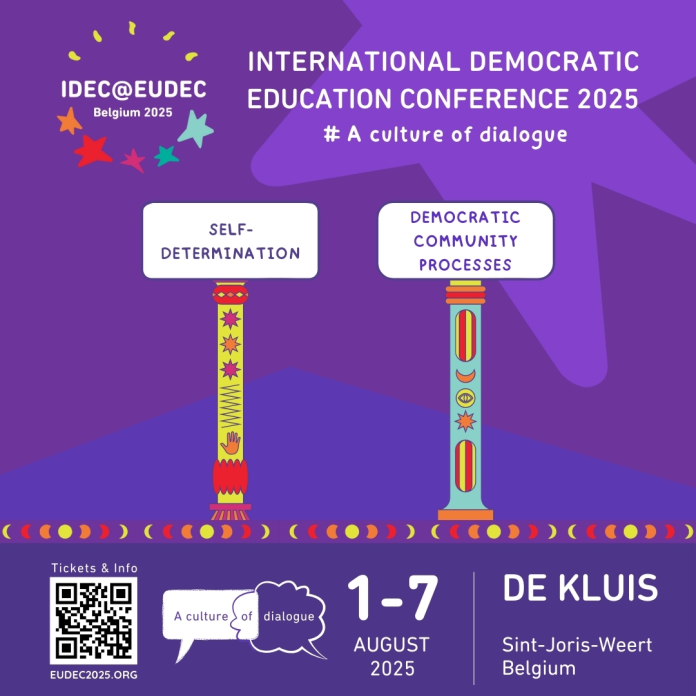
The International Association for Quality Assurance in Pre-Tertiary and Higher Education (QAHE) is thrilled to announce its support for the upcoming International Democratic Education Conference (IDEC@EUDEC 2025). The democratic education conference 2025 is scheduled to take place from August 1 to 7, 2025, at De Kluis in Sint-Joris-Weert, Belgium, this landmark event will bring together educators, students, parents, and educational reformers from around the globe.

The conference will focus on the principles of democratic education, emphasizing the importance of self-direction, dialogue, and participation. Attendees will explore innovative approaches to education that prioritize trust in children and young people, fostering environments characterized by freedom, equality, and responsibility. IDEC 2025, as the democratic education conference 2025, aims to inspire a transformative vision for education that values intrinsic motivation and genuine engagement over rigid curricula and imposed learning paces.

Key highlights of the event will include a variety of webinars and live sessions, such as the insightful presentation titled “Democratic Education: The Missing Piece in a Democratic Society,” set for June 18, 2025. Participants will have the opportunity to connect with like-minded individuals and organizations committed to fostering transformative educational practices, along with gaining insights from a diverse array of speakers and experts in the field.

QAHE is dedicated to promoting quality education and recognizes the vital role of democratic education in shaping future leaders. The organization encourages all members, partners, and stakeholders to participate in this significant event, contributing to a global dialogue on educational reform and innovation. Make plans to attend the democratic education conference 2025.

Organizations interested in supporting the conference can explore various sponsorship packages designed to enhance visibility and engagement. Additionally, several multilingual flyers are available to help spread the word across networks.

For more information about the conference, including registration and sponsorship opportunities, visit www.eudec2025.org. Join in supporting the democratic education conference 2025 and help shape the future of learning, empowering every student to thrive.

Invitation to the 2nd International Conference on Molecular Biology (ICMB2025)

0
International Molecular Biology Conference

The Science and Research Association is delighted to announce the upcoming 2nd International Conference on Molecular Biology (ICMB2025), which will take place from November 4 to 7, 2025, at BabeÈ™-Bolyai University in the scenic city of Cluj-Napoca, Transylvania, Romania. This conference promises to be a significant gathering for researchers and scholars engaged in the study of molecular mechanisms across various domains, including microorganisms, plants, and animals.

ICMB2025 is designed to foster scientific exchange and collaboration among participants from diverse backgrounds. Attendees will have the opportunity to engage in discussions that span multiple fields of molecular biology, creating a vibrant atmosphere for sharing ideas and advancements. The conference aims to unite experts and emerging researchers, facilitating groundbreaking collaborations that will drive future innovations in the field.

We are thrilled to feature an impressive lineup of keynote speakers who are leaders in their respective areas. Among them is Sir Dr. Tim Hunt, a Nobel Prize laureate recognized for his groundbreaking discoveries in cell division. His insights are sure to inspire attendees and set the tone for the conference. Additionally, we will hear from Prof. Dr. Mihai Netea, an expert in immunology from Radboud Medical Center in the Netherlands, and Assoc. Prof. Dr. Mircea Ivan, who specializes in hypoxia and cancer at Indiana University School of Medicine in the USA. Other notable speakers include Prof. Dr. Simona Radutoiu from Aarhus University in Denmark, recognized for her work on plant-microorganism interactions, and Prof. Dr. Ute Krämer from Ruhr University Bochum, Germany, known for her expertise in molecular plant physiology.

Participants interested in presenting their research are encouraged to submit abstracts for talks or posters. The initial deadline for submissions is June 15, 2025. However, if additional time is needed, attendees are invited to reach out for extensions. This flexibility aims to accommodate various schedules and encourage as many contributions as possible.

The registration fee for ICMB2025 includes not only access to all talks and workshops but also lunch and dinner throughout the event, ensuring that participants can network and engage in discussions in a relaxed environment. Group discounts are available for teams of three or more, making it easier for institutions to send multiple representatives.

We believe that the ICMB2025 conference will provide invaluable opportunities for networking and professional development. Participants will be able to connect with leading experts, build collaborations, and exchange fresh perspectives that can contribute to the advancement of molecular biology research. This gathering is an excellent platform for students, researchers, and professionals alike to enhance their knowledge and share their passion for science.

As we prepare for this exciting event, we kindly ask for your assistance in sharing this invitation within your institution and professional network. The success of ICMB2025 relies on the participation of dedicated individuals who are eager to contribute to the scientific community. For more information about the conference and registration details, please visit ICMB2025.

In conclusion, the 2nd International Conference on Molecular Biology is poised to be a landmark event for researchers and enthusiasts in the field. We look forward to welcoming you to Cluj-Napoca, where you will join us in shaping the future of science and innovation. Together, we can explore the current aspects and prospects of molecular biology, fostering an environment of collaboration and discovery. Don’t miss out on this opportunity to be part of an inspiring journey in the world of molecular biology!
For more updates on global scientific events and advancements, visit Frontline Digest, your source for insightful research news.