- Advertisement -spot_img
Home Blog Page 11

Honorary Doctorate Degree at Pebble Hills University: Recognizing Excellence and Leadership

0
Honorary Doctorate Degree at Pebble Hills University

Pebble Hills University (PHU) offers an Honorary Doctorate Degree, a prestigious recognition aimed at celebrating individuals who have made significant contributions to their fields and communities. This degree serves as a professional acknowledgment, distinct from traditional academic doctorates, and is designed to honor those who inspire excellence and leadership.

What is an Honorary Doctorate Degree?

An Honorary Doctorate Degree is awarded to individuals who have demonstrated exceptional achievements, leadership, and commitment to their professions or communities. Unlike academic doctorates, which require extensive educational qualifications and research, the Honorary Doctorate waives these traditional academic requirements. Instead, it focuses on the impact individuals have made in their respective fields.

The degree is often equated with the title of Doctor Honoris Causa, which is recognized globally. However, it is essential to clarify that honorary degrees are generally perceived as having a different standing compared to academic doctorates unless the recipient has shown substantial academic scholarship as well.

Eligibility Requirements

To be considered for an Honorary Doctorate Degree from Pebble Hills University, candidates must meet specific criteria:

Significant Contributions

Candidates should have made substantial contributions to their field, showcasing excellence and leadership. This could include groundbreaking work in various sectors, service to the community, or advancements in education and research.

Professional Experience

A robust track record of professional achievements is essential. Candidates should demonstrate a commitment to community service or significant advancements in their area of expertise. This professional background helps substantiate the impact they have had in their field.

Nomination Process

The nomination process is straightforward. Candidates can be nominated by peers, professional organizations, or they may opt for self-nomination. Each nomination must include supporting documentation that details the candidate’s accomplishments, providing a comprehensive view of their contributions.

The Title and Its Usage

Recipients of an Honorary Doctorate Degree may choose to adopt the title of “doctor.” In many countries, including the United States, the United Kingdom, Australia, and New Zealand, honorary doctors can use the formal title of “doctor” at their discretion. However, it is crucial to make it clear that the degree is honorary. For example, one might write: “Dr. Albert Smith, D. Hon. (Specialization).”

In formal correspondence, it is acceptable to use prefixes like “Hon.” for “Honorary,” leading to forms such as “Hon. Dr. Albert Smith” or “Dr. Albert Smith, Hon. D.” if one wishes to specify the honorary nature of the degree.

Notable Recipients

Pebble Hills University has recognized several distinguished individuals with the Honorary Doctorate Degree. These recipients exemplify the values of leadership, dedication, and excellence that the degree aims to promote.

Dr. Hiew Boon Thong

One of the notable recipients is Dr. Hiew Boon Thong, awarded the Doctor of Management (Honoris Causa). His extensive career in the Royal Malaysian Police, coupled with his contributions to corporate and social activities, highlights his multifaceted impact on society.

Dr. Kagiso Smooth Kgweetsi

Dr. Kagiso Smooth Kgweetsi received the Doctor of Educational Management (Honoris Causa) for his significant contributions to education over 23 years. His leadership in fostering academic excellence has left a lasting impression on the educational community.

Dr. A K M Fazlur Rahman

Another distinguished recipient, Dr. A K M Fazlur Rahman, was honored with a Doctor of Entrepreneurship in Information Technology (Honoris Causa). His remarkable achievements in the tech sector underscore the university’s commitment to recognizing innovation and entrepreneurship.

Ms. Ozlem Gulsum Kilickaya

Ms. Ozlem Kilickaya received the Doctor of Engineering (Honoris Causa) for her contributions to the field of computer science and engineering. Her academic journey and professional endeavors serve as an inspiration for aspiring engineers.

Dr. Maheshwari Kunwar

Dr. Maheshwari Kunwar was awarded the Doctor of Executive Leadership Development (Honoris Causa) in recognition of her tireless efforts in advocating for women’s rights and social justice in Nepal. Her impact has positively influenced many lives, making her a deserving recipient of this honor.

The Importance of Honorary Degrees

Honorary Doctorate Degrees play a crucial role in recognizing individuals who might otherwise go unacknowledged within traditional academic frameworks. They serve multiple purposes:

  1. Inspiration: By highlighting exemplary figures, these degrees motivate others to pursue excellence in their fields.
  2. Connection: Honorary degrees foster connections between academia and various industries, promoting collaboration and innovation.
  3. Recognition of Service: They acknowledge contributions to society that may not fit conventional academic achievements but are nonetheless invaluable.

Conclusion

The Honorary Doctorate Degree at Pebble Hills University stands as a testament to the institution’s commitment to recognizing excellence and leadership across various fields. This prestigious title not only honors the achievements of individuals but also serves as an inspiration for future generations to contribute positively to their communities and professions.

If you believe you qualify for this esteemed recognition, PHU invites you to reach out with your detailed CV. The university is eager to guide potential candidates through the nomination process, ensuring that outstanding contributions to society and various industries are celebrated and acknowledged. Through this initiative, Pebble Hills University continues to shine as a beacon of excellence in education and professional recognition.
Honorary Professor of Practice in Health Science Awarded by QAHE and Kennedy University

0
Honorary Professor of Practice in Health Science

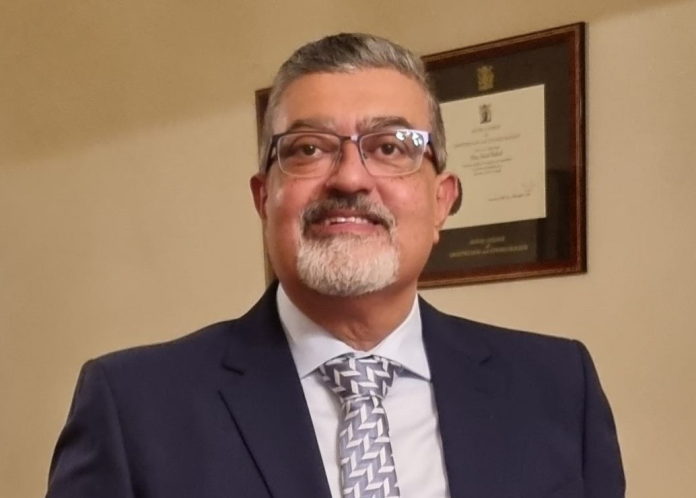
The International Association for Quality Assurance in Pre-Tertiary and Higher Education (QAHE) and Kennedy University (KU) proudly announced the conferment of the prestigious title of Honorary Professor of Practice in Health Science to Dr. Hany F. Habeeb FRCOG. This recognition celebrates Dr. Habeeb’s exceptional contributions to the fields of obstetrics, gynecology, and healthcare education, highlighting his significant impact on both medical practice and education.

Dr. Habeeb brings over 17 years of consultant-level experience, specializing in complex gynecological surgeries, including stage IV endometriosis, cancer surgery, and procedures tailored for morbidly obese patients. His expertise in minimally invasive surgical techniques, particularly laparoscopic and robotic hysterectomy, has made him a recognized leader in the field. Dr. Habeeb’s commitment to advancing surgical practices not only enhances patient outcomes but also sets a new standard for medical professionals in the domain.

In addition to his clinical prowess, Dr. Habeeb has held several influential leadership positions throughout his career. He has served as the Clinical Director for Women’s Health and as Cancer Lead for Women’s Health, roles in which he has significantly shaped healthcare delivery and policy. His leadership extends to training and mentoring medical professionals, where he is known for his dedication to nurturing the next generation of surgeons. Dr. Habeeb’s commitment to education is evident in his engagement with surgical training programs, ensuring that upcoming medical professionals are well-equipped with advanced techniques and knowledge.

Dr. Habeeb’s contributions to healthcare education have not gone unnoticed. He has received multiple prestigious teaching awards from the Royal College of Obstetricians and Gynaecologists (RCOG), which underscores his influence and dedication to teaching. These accolades affirm his role as a mentor and educator, shaping the future of obstetrics and gynecology through his commitment to high-quality education and training.

The Honorary Professor of Practice in Health Science title conferred by QAHE and Kennedy University is a testament to Dr. Habeeb’s extraordinary achievements. This accolade is awarded without a formal ceremony, ensuring that it remains accessible and convenient while upholding the highest academic standards. The decision reflects a modern approach to recognition in academia, focusing on the merit and contributions of individuals rather than the formality of the award process.

The collaboration between QAHE and Kennedy University emphasizes the importance of recognizing individuals who contribute significantly to health science and education. By honoring Dr. Habeeb, both organizations highlight their commitment to promoting excellence in healthcare and education. This partnership serves as an encouragement for other professionals in the field to strive for similar levels of commitment and achievement.

As Dr. Habeeb embarks on this new chapter as an Honorary Professor of Practice, it is anticipated that his contributions will continue to inspire and influence both students and colleagues alike. His expertise and dedication exemplify the qualities that the title seeks to promote—leadership, innovation, and a commitment to education.

The recognition of Dr. Habeeb also reflects the broader goals of QAHE and Kennedy University in improving the quality of health science education worldwide. By collaborating with distinguished professionals, they aim to foster an environment that nurtures excellence in medical training and practice. This initiative aligns with QAHE’s mission to enhance educational standards and support professional development across various sectors.

In conclusion, the conferment of the Honorary Professor of Practice in Health Science to Dr. Hany F. Habeeb is a significant milestone for both QAHE and Kennedy University. It not only honors Dr. Habeeb’s exceptional career and contributions but also reinforces the commitment of both organizations to advancing health science education. As they celebrate this achievement, they look forward to the continued impact of Dr. Habeeb’s work in shaping the future of healthcare and education. His legacy will undoubtedly inspire future generations of healthcare professionals, driving innovation and excellence in the field.

QAHE and IETO Partnership: Advancing Education and Trade Through New MOU

0
QAHE and IETO partnership

On June 6, 2025, the International Association for Quality Assurance in Pre-Tertiary and Higher Education (QAHE) proudly announced the signing of a Memorandum of Understanding (MOU) with the Indian Economic Trade Organization (IETO). This significant partnership aims to promote academic excellence and foster an entrepreneurial spirit within the fields of trade and commerce. The collaboration reflects a shared commitment to enhancing educational standards and supporting innovative initiatives that can lead to sustainable economic growth.

The MOU represents a strategic alliance between QAHE and IETO, two organizations dedicated to improving the quality of education and promoting best practices in their respective fields. As part of this partnership, QAHE will honor Mr. Asif Iqbal, the President of IETO, with the prestigious QAHE Honorary Fellowship Award. This award recognizes Mr. Iqbal’s outstanding commitment to innovation, leadership in education, and contributions to the trade sector. In addition to the honor, Mr. Iqbal will receive a digital credential, a dedicated listing on QAHE’s website, and a public announcement highlighting the significance of this recognition.

The collaboration between QAHE and IETO is designed to facilitate mutual promotion through various channels. Both organizations plan to leverage their websites and social media platforms to disseminate information about their joint initiatives and achievements. This approach not only strengthens the ties between QAHE and IETO but also showcases their shared values of excellence, global collaboration, and a commitment to enhancing educational opportunities.

The partnership is set to be effective for a period of five years, during which both organizations will work together to enhance visibility and recognition within the global educational landscape. This long-term commitment is aimed at creating meaningful impact in the communities they serve. By pooling resources and expertise, QAHE and IETO aim to develop programs and initiatives that address the evolving needs of students and professionals in trade and commerce.

In a rapidly changing global economy, the need for innovative education and training solutions is more critical than ever. The collaboration between QAHE and IETO is a response to this demand, as it seeks to empower individuals through education while promoting entrepreneurship. By fostering an entrepreneurial spirit, both organizations aim to inspire the next generation of leaders who can drive economic development and contribute to societal progress.

The emphasis on academic excellence in this partnership aligns with QAHE’s mission to enhance the quality of education worldwide. As a recognized non-governmental, independent quality assurance agency, QAHE is committed to supporting educational institutions and professionals in achieving higher standards. The organization collaborates with various accrediting bodies and educational organizations globally, ensuring that its initiatives are in line with best practices and international standards.

The recognition of Mr. Asif Iqbal as an Honorary Fellow underscores the importance of leadership in driving educational reform and innovation. Leaders like Mr. Iqbal play a vital role in shaping the future of education and trade, inspiring others to pursue excellence in their fields. His contributions to IETO and the broader trade community exemplify the kind of dedication needed to navigate the challenges of today’s economy.

As QAHE and IETO embark on this partnership, they are poised to make significant strides in promoting quality education and entrepreneurship. The MOU is not just a formal agreement; it is a commitment to work collaboratively towards a common goal: enhancing the educational landscape and fostering economic growth. Both organizations are excited about the potential outcomes of this partnership and look forward to creating opportunities that will benefit students, professionals, and communities alike.

In conclusion, the MOU between QAHE and the Indian Economic Trade Organization marks a pivotal moment for both organizations. By combining their strengths and resources, they are set to make a lasting impact on education and trade. This collaboration is a testament to the power of partnership in addressing the challenges of the modern world and fostering a culture of innovation and excellence. As they move forward, QAHE and IETO remain dedicated to their mission of promoting quality education and supporting the development of future leaders in trade and commerce.

Dr. Amit Kumar Ghosh Awarded Distinguished Professorship in Health Science

0
Health Science Distinguished Professorship

The International Association for Quality Assurance in Pre-Tertiary and Higher Education (QAHE) and the American University of Business and Social Sciences (AUBSS) recently announced a significant achievement in the field of health science: Dr. Amit Kumar Ghosh has been awarded the prestigious Distinguished Professorship in Health Science. This honor not only recognizes Dr. Ghosh’s extensive contributions to neurosurgery but also highlights his dedication to advancing medical education and patient care.

Dr. Ghosh is a highly respected Consultant Neurosurgeon, based at the Institute of Neurosciences in Kolkata, India. With over 20 years of experience, he has established himself as an authority in treating a wide range of neurological disorders. His areas of expertise include Deep Brain Stimulation, Epilepsy Surgery, and Spinal Cord Stimulation. Under his stewardship, the Brain and Spine Clinic has emerged as a center of excellence, providing innovative treatment options and personalized care tailored to each patient’s needs.

The recognition of Dr. Ghosh with the Distinguished Professorship underscores his commitment to clinical excellence, education, and research. Throughout his career, he has been actively involved in numerous research initiatives aimed at improving patient outcomes, especially for those suffering from complex neurological conditions. His dedication to these causes is further exemplified by the establishment of the Shree Asoka Neurocare facilities, which aim to enhance accessibility to neurological diagnostics and treatments, particularly for underserved communities.

A key aspect of Dr. Ghosh’s approach to patient care is his emphasis on building strong relationships with his patients. He understands the importance of ensuring that patients are well-informed throughout their treatment journeys. This patient-centered approach not only fosters trust but also empowers patients to take an active role in their healthcare decisions. His commitment to education extends beyond his clinical practice; he is also dedicated to mentoring the next generation of medical professionals.

Dr. Ghosh’s contributions to the field of neurosurgery have not gone unnoticed. He has received several prestigious awards, including the Mother Teresa Sadbhavana Award and the Outstanding Clinician in Neuro-Surgery Award. These accolades are a testament to his commitment to excellence and his impact on the medical community.

The collaboration between QAHE and AUBSS in recognizing Dr. Ghosh emphasizes the importance of leadership and innovation in health science education. It serves as an inspiration for healthcare professionals and educators alike to strive for excellence in their respective fields. By honoring individuals like Dr. Ghosh, organizations like QAHE and AUBSS highlight the critical role that dedicated professionals play in shaping the future of medical education and patient care.

As the healthcare landscape continues to evolve, the need for innovative leaders in health science becomes increasingly evident. Dr. Ghosh’s work exemplifies the qualities necessary for such leadership: a commitment to lifelong learning, a passion for teaching, and a deep-seated dedication to improving patient outcomes. His efforts to make advanced neurological care accessible to all, particularly marginalized populations, set a standard for future initiatives in healthcare.

In conclusion, Dr. Amit Kumar Ghosh’s recognition as a Distinguished Professor in Health Science is a well-deserved accolade that reflects his significant contributions to the medical field. His work not only enhances the quality of care provided to patients but also enriches the education of future healthcare professionals. As we celebrate this achievement, we look forward to Dr. Ghosh’s continued contributions to neurosurgery and medical education, which will undoubtedly inspire others in the field to follow in his footsteps. The collaboration between QAHE and AUBSS serves as a reminder of the importance of recognizing excellence in Health Science Distinguished Professorship, paving the way for future advancements in education and patient care.
To explore more stories like this, visit Frontline Digest, your source for the latest in academic and professional recognition across the globe.

American Management University Renews QAHE Accreditation

0
American Management University

We are excited to announce that American Management University (AMU) has successfully renewed its accreditation with the International Association for Quality Assurance in Pre-Tertiary and Higher Education (QAHE). This renewal highlights AMU’s unwavering commitment to maintaining high academic standards and delivering quality education to students worldwide.

Located in Paris, France, AMU operates under the compliance of the French Ministry of Education for Private Learning Establishments. As a certified non-profit organization, AMU is legally authorized to provide distance learning education, ensuring accessibility and flexibility for students.

The renewal process at American Management University involved a rigorous evaluation of AMU’s curriculum, faculty qualifications, and learning systems. This comprehensive assessment reinforces AMU’s dedication to continuous improvement and its focus on providing a high-quality educational experience.

AMU has also established partnerships with several respected international organizations, such as the Association for Transnational Higher Education Accreditation (ATHEA) and the European Council for Business Education (ECBE). These memberships reflect AMU’s commitment to aligning with global educational standards.

The renewal of QAHE accreditation reaffirms AMU’s position as a leader in distance learning. It solidifies the university’s mission to empower students with the knowledge and skills necessary for success in today’s competitive job market.

To stay informed about other major developments in the global education sector, visit Frontline Digest for the latest updates.

The Global Boom of Aesthetic Clinics: Beauty, Business, and Ethical Dilemmas

0
aesthetic clinics

In the age of Instagram faces and TikTok beauty trends, aesthetic clinics have exploded onto the global stage, offering quick fixes for everything from wrinkles to waistlines. What was once a luxury reserved for celebrities has now become mainstream, with clinics popping up on every high street from Seoul to Los Angeles. The global aesthetic medicine market is projected to reach $200 billion by 2030, driven by social media influence, technological advancements, and shifting beauty standards.

However, this boom raises questions: Is it a triumph of modern medicine or a slippery slope into ethical and medical controversies? Let’s dive into the fascinating—and sometimes controversial—world of aesthetic clinics.

Why Are Aesthetic Clinics Growing So Fast?

1. Social Media & the “Perfect Look” Obsession

Filters, Facetune, and influencer culture have reshaped beauty expectations. Platforms like Instagram and TikTok glorify plump lips, razor-sharp jawlines, and poreless skin, making minimally invasive procedures (like Botox and fillers) seem as routine as a haircut. According to a 2023 survey, 60% of people under 35 consider cosmetic treatments due to social media pressure.

2. Technological Advancements: Faster, Safer, Cheaper

Gone are the days of risky, irreversible surgeries. Today, non-surgical treatments such as laser therapy, injectables, and fat freezing dominate the market because they offer minimal downtime, lower costs than traditional plastic surgery, and fewer risks compared to invasive operations. Technologies like AI-powered skin analysis and 3D imaging allow clinics to customize treatments with precision, attracting more clients.

3. Medical Tourism: Beauty on a Budget

Countries like Turkey, Thailand, and South Korea have become hotspots for “cosmetic tourism,” offering high-quality treatments at a fraction of Western prices. For example, a Brazilian butt lift in Miami might cost $12,000, while in Istanbul, it’s just $4,500—including a luxury recovery hotel.

4. The Rise of Preventative Aesthetics

Millennials and Gen Z aren’t waiting for wrinkles to appear—they’re getting “prejuvenation” treatments (like baby Botox and microneedling) in their 20s to slow aging before it starts.

The Pros: Why Aesthetic Clinics Are a Game-Changer

 Boost in Confidence & Mental Well-being

For many, aesthetic treatments aren’t just about vanity—they’re about self-esteem. Studies show that patients who undergo successful procedures often experience reduced social anxiety, improved body image, and greater career confidence, especially in appearance-driven industries.

 Medical Benefits Beyond Beauty

Some treatments have therapeutic uses. For instance, Botox can help with chronic migraines and excessive sweating, while laser therapy can treat acne scars and hyperpigmentation. Fat reduction procedures can also aid in metabolic health.

 Economic Growth & Job Creation

The aesthetic industry is a significant job generator, employing dermatologists, cosmetic surgeons, nurses specializing in injectables, skincare specialists, and clinic managers. In the U.S. alone, the Botox industry generates $3 billion annually.

The Cons: The Dark Side of the Beauty Boom

 Unqualified Practitioners & “Backstreet Clinics”

The lucrative nature of the industry has led many untrained individuals to offer cheap, dangerous procedures. Horror stories include fillers causing blindness when injected improperly, Botox parties leading to botched results, and illegal silicone injections causing permanent deformities. In the UK, 1 in 5 cosmetic treatments are performed by unlicensed practitioners.

 Unrealistic Beauty Standards & Body Dysmorphia

The rise of the “Instagram face” (characterized by cat-like eyes, tiny noses, and inflated lips) has led to copycat syndrome, where patients bring filtered selfies expecting impossible results. This can contribute to body dysmorphic disorder (BDD), where individuals obsess over perceived flaws and undergo endless procedures. A 2022 study found that 30% of cosmetic patients show signs of BDD.

 Over-Commercialization & Ethical Concerns

Aggressive marketing often targets vulnerable groups, such as teens and individuals with low self-esteem. “Buy now, pay later” financing encourages impulsive decisions, and the lack of regulation in some countries leads to unsafe practices.

The Future: Where Do We Go From Here?

The aesthetic industry isn’t slowing down, but it must evolve responsibly. Key changes needed include stricter regulations to ensure only licensed professionals perform procedures, psychological screenings to identify patients with BDD or unrealistic expectations, and transparent advertising to dispel myths about instant perfection.

Final Thought: Beauty Should Empower, Not Trap

Aesthetic clinics can be life-changing when used wisely. However, as the industry grows, the need for ethics, education, and emotional awareness becomes increasingly important. Ultimately, the best kind of beauty enhancement is one that helps individuals feel like the best version of themselves—not someone else.

Would you try an aesthetic treatment? Or do the risks outweigh the rewards? Let us know in the comments! For more insights into evolving global industries and their societal impacts, visit Frontline Digest.

MOU Signed Between Pebble Hills University and TITU University

0
Pebble Hills University and TITU MOU

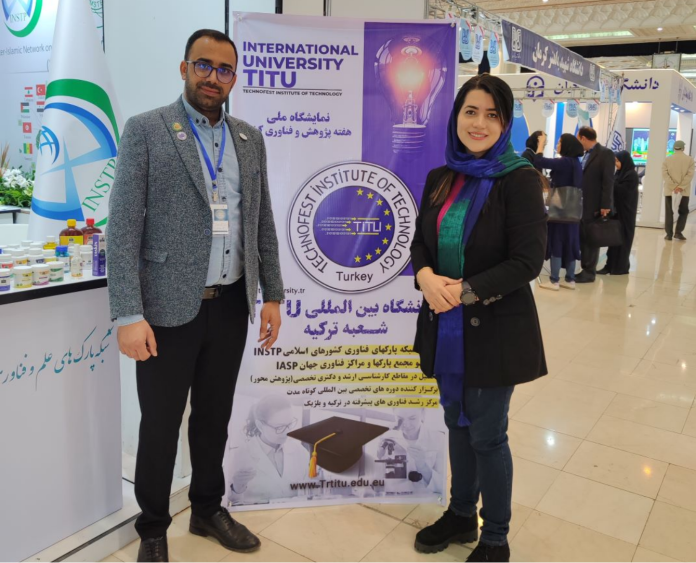
Pebble Hills University (PHU) is excited to announce a significant development in its mission to enhance educational opportunities globally. The university has recently entered into a Memorandum of Understanding (MOU) with the Technofest Institute of Technology University (TITU). This Pebble Hills University and TITU MOU is designed to facilitate greater academic collaboration and improve the educational experiences for students from both institutions.

Overview of the Partnership

The Pebble Hills University and TITU MOU aims to foster a collaborative relationship between PHU and TITU, two institutions committed to providing high-quality education. This partnership will enable both universities to recognize each other’s academic credentials, thereby allowing students to pursue their studies more seamlessly across both institutions. By enhancing the recognition of academic qualifications, students will find it easier to transition into different programs and explore new academic pathways.

About TITU University

TITU University is a prominent online and research-oriented institution dedicated to delivering comprehensive educational programs that contribute to societal development. The university places a strong emphasis on ethics, human values, and responsibility, equipping students with the skills necessary to thrive in today’s competitive job market. TITU boasts state-of-the-art facilities, including well-equipped libraries, laboratories, and conference halls, creating an optimal learning environment for its students.

Benefits of the MOU

The collaboration between PHU and TITU brings several advantages to students:

  1. Reciprocal Recognition of Academic Credentials: The Pebble Hills University and TITU MOU ensures that academic qualifications earned at either institution will be recognized by the other. This reciprocal acknowledgment is crucial for students seeking to further their education, as it simplifies the process of transferring credits and pursuing advanced degrees.
  2. Enhanced Educational Pathways: Students from both universities will gain access to a broader array of programs and resources. This partnership will enrich their academic journeys by providing more options for specialization and research opportunities, ultimately leading to a more robust educational experience.
  3. Global Networking Opportunities: By collaborating, PHU and TITU will create avenues for students to engage in international events and initiatives. This exposure to a global network enhances students’ understanding of diverse perspectives and practices, preparing them for careers in an increasingly interconnected world.

Future Initiatives

The signing of this MOU marks the beginning of what both institutions hope will be a fruitful collaboration. Both PHU and TITU are committed to exploring further initiatives that will enhance their educational offerings. Future projects, as outlined in the Pebble Hills University and TITU MOU, may include joint research initiatives, student exchange programs, and collaborative online courses that leverage the strengths of both universities.

Commitment to Quality Education

At the heart of this partnership is a shared commitment to providing quality education and fostering innovation in higher education. Both PHU and TITU recognize the importance of adapting to the evolving educational landscape, particularly in light of the increasing demand for online and distance learning. This MOU serves as a significant step toward achieving their goals of delivering accessible and quality education to students worldwide.

Conclusion

In conclusion, the Pebble Hills University and TITU MOU represents a significant milestone in the pursuit of educational excellence. By working together, both institutions aim to enhance the academic experiences of their students, promote international collaboration, and strengthen their respective educational frameworks. Stakeholders are encouraged to stay tuned for updates on joint initiatives and opportunities that will arise from this exciting partnership.

For more information about the programs offered at Pebble Hills University and details about the MOU, please contact PHU or visit their official website.

The Resurgence of the British Pound: Economic Implications and Future Outlook

0
British pound resurgence

The British pound has experienced a notable appreciation in recent months, reaching its highest level against the US dollar and euro in over a year. This British pound resurgence reflects a combination of monetary policy decisions, improved economic indicators, and political stability. This article examines the factors driving the pound’s strength, its immediate effects on various sectors, and the potential long-term implications for the UK economy.

Monetary Policy and Interest Rate Differentials
A primary driver of the British pound resurgence is the Bank of England’s (BoE) steadfast monetary policy. While other major central banks, such as the Federal Reserve and the European Central Bank, have signaled potential rate cuts, the BoE has maintained its benchmark interest rate at 5.25%. This policy stance is largely a response to persistent inflationary pressures, particularly in the services sector, where inflation remains elevated at 5.7% year-on-year. The resulting interest rate differential has attracted foreign capital into UK assets, bolstering demand for the pound.

Economic Growth and Labor Market Resilience
The UK economy has demonstrated surprising resilience, with GDP growth of 0.6% in the first quarter of 2025, outperforming many of its European counterparts. This growth has been supported by a robust labor market, where wage growth continues to outpace inflation, rising by 5.8% annually. Such economic stability has reinforced investor confidence, contributing to the pound’s upward trajectory and further supporting the British pound resurgence.

Political Stability and Market Sentiment
Political developments have also played a crucial role in the pound’s recovery. The resolution of prolonged political uncertainty, including the aftermath of Brexit and frequent leadership changes, has provided a more predictable environment for investors. Current polling suggests a potential Labour victory in the upcoming general election, which markets perceive as a continuation of centrist economic policies rather than radical shifts.

Sectoral Impacts of a Stronger Pound
The appreciation of the pound has created winners and losers across different sectors. On the positive side, UK consumers benefit from cheaper imports and increased purchasing power for foreign goods and travel. Conversely, exporters face challenges as British goods become more expensive on the global market. The manufacturing sector, in particular, has reported a decline in export orders, with the PMI for export activity dropping to 47.1 in May.

Implications for Inflation and Consumer Spending
A stronger pound typically exerts downward pressure on inflation by reducing the cost of imported goods. Analysts estimate that a 10% appreciation in the pound could lower inflation by 0.8 percentage points over 18 months. This effect could eventually provide the BoE with room to cut interest rates, offering relief to mortgage holders and borrowers. However, in the short term, the stickiness of services inflation suggests that rate cuts may not materialize until late 2025.

Global Context and Currency Markets
The pound’s performance must also be viewed within the broader context of global currency markets. The US dollar has weakened amid expectations of Fed rate cuts, while the euro struggles with sluggish growth in key economies like Germany. In this environment, the British pound resurgence has emerged as a relatively stable currency, attracting investors seeking higher yields without excessive risk.

Future Outlook and Risks
Looking ahead, the pound’s trajectory will depend on several factors, including the BoE’s policy decisions, global economic conditions, and domestic political developments. While the current trend suggests continued strength, risks remain. A sudden shift in investor sentiment, geopolitical tensions, or a resurgence in inflation could all undermine the pound’s gains.

Conclusion
The recent appreciation of the British pound underscores the interplay between monetary policy, economic performance, and political stability. While a stronger currency offers benefits such as lower import costs and reduced inflationary pressures, it also poses challenges for exporters and borrowers. As the UK navigates this complex economic landscape, policymakers and market participants alike will need to remain vigilant to emerging risks and opportunities related to the British pound resurgence.

Global Perspectives on the Ukraine War: Divisions, Fatigue, and Shifting Alliances

0
Global perspectives on Ukraine war

Three years since Russia’s full-scale invasion of Ukraine, the war has reshaped geopolitics, economies, and security alliances worldwide. Exploring global perspectives on the Ukraine war reveals how attitudes are shifting—from unified Western condemnation to growing fatigue, strategic recalibrations, and deepening divides between nations supporting Kyiv, those backing Moscow, and a large bloc seeking neutrality.

The West’s United Front Shows Cracks

The U.S. and Europe remain Ukraine’s strongest backers, providing billions in military aid, intelligence sharing, and sanctions against Russia. However, cracks are emerging. In the U.S., Republican opposition has delayed critical aid packages, with some lawmakers questioning the cost of prolonged involvement. Meanwhile, European nations like Hungary and Slovakia have openly criticized continued funding for Ukraine, reflecting broader voter concerns over inflation and energy prices linked to the war.

“The West is still committed, but the political consensus is fraying,” said Constanze Stelzenmüller, a senior fellow at the Brookings Institution. “Elections in key countries could further weaken support.”

Despite these challenges, NATO has expanded with Finland and Sweden joining, signaling long-term containment of Russia. The EU has also taken historic steps, granting Ukraine candidate status—though full membership remains distant.

Russia’s Allies and the ‘Global South’ Resistance

While Western nations isolate Russia, Moscow retains key allies. China, though officially neutral, has provided economic lifelines through increased trade and tacit diplomatic backing. “No limits” partner Belarus continues to host Russian troops, while North Korea and Iran have supplied weapons, undermining sanctions.

More striking is the stance of the so-called Global South—countries in Africa, Latin America, and Asia that have refused to take sides. Many, like India and South Africa, cite historical non-alignment or economic ties to Russia. Others resent what they see as Western hypocrisy, pointing to conflicts like Gaza where Western powers take different approaches.

“Why should we sanction Russia when the West doesn’t hold Israel accountable?” argued South African diplomat Thandiwe Mbeki, capturing a sentiment echoed from Brazil to Indonesia.

Ukraine’s Diplomatic Struggles: Solidarity vs. Skepticism

Ukraine has won broad sympathy but faces challenges in sustaining global backing. President Volodymyr Zelensky’s charismatic appeals initially galvanized support, but some nations now question the war’s protracted nature.

Countries dependent on Russian or Ukrainian grain, like Egypt and Lebanon, have grown impatient with disrupted food supplies. Meanwhile, Kyiv’s efforts to court the Global South have had mixed results. A recent Ukraine-led peace summit saw low attendance from major developing nations, highlighting diplomatic hurdles.

Economic Shockwaves and War Fatigue

The war’s economic fallout—from spiking energy prices to food insecurity—has hit developing nations hardest. In Africa, where millions rely on Ukrainian wheat, rising costs have sparked protests. In Europe, though energy markets have stabilized, industries like manufacturing still feel the strain.

Public fatigue is also setting in. Polls in France and Germany show declining enthusiasm for unlimited aid, while U.S. voters increasingly rank Ukraine as a lower priority. “People still support Ukraine, but they want to see an endgame,” said political analyst Ivan Krastev.

The Shadow of Nuclear Threats and Escalation Fears

Russia’s nuclear rhetoric has kept the world on edge. While direct NATO-Russia clashes have been avoided, incidents like drone strikes on Moscow and attacks on the Black Sea Fleet raise risks of uncontrolled escalation.

China and India have repeatedly called for ceasefire talks, fearing a broader war. “No one wants this to spiral into a global conflict, but neither side is ready to back down,” said UN Secretary-General António Guterres.

What Comes Next?

With no clear military victory in sight, three scenarios loom:

  1. Frozen Conflict – A Korea-style stalemate where fighting halts but no peace deal is reached.
  2. Ukraine’s Long Game – Western aid sustains Kyiv’s resistance until Russian morale or resources collapse.
  3. Negotiated Settlement – Mounting pressure forces compromise, likely with territorial concessions.

For now, the world watches—and waits—as the war’s ripple effects continue to transform global politics.

President Trump’s Sweeping Tariff Expansion Shakes Global Markets

0
Trump tariff expansion

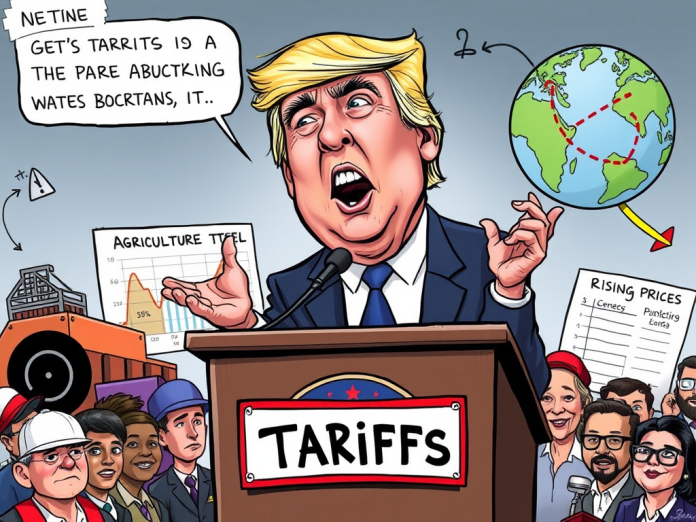
The recent Trump tariff expansion marks one of the most consequential economic moves of his second term. President Donald Trump has followed through on his campaign promise to impose aggressive new tariffs, signing an executive order this week that slaps a 10% baseline tariff on all imported goods, with even higher rates targeting key industries like electric vehicles, semiconductors, and pharmaceuticals. The decision, hailed by his supporters as a long-overdue protection for American workers, has sent shockwaves through global markets, triggered threats of retaliation from trading partners, and sparked fierce debate over whether the policy will revive U.S. manufacturing or accelerate inflation.

A Hardline Trade Policy Takes Shape

Since returning to office in January, Trump has made trade a central focus of his economic agenda, arguing that decades of globalization have eroded America’s industrial base. The new tariffs—which expand on his first-term duties on steel, aluminum, and Chinese goods—mark his most dramatic step yet toward what he calls “economic independence.”

“For too long, foreign nations have taken advantage of the United States, flooding our markets with cheap products while stealing our jobs,” Trump declared at a White House signing ceremony flanked by union leaders and manufacturing executives. “These tariffs will ensure that when companies want to sell here, they also have to build here.”

The policy imposes a universal 10% levy on all imports, with additional 25-50% tariffs on select goods, including:

  • Chinese electric vehicles and batteries (50%)
  • Foreign-made semiconductors (25%)
  • Pharmaceuticals and medical supplies (15%)
  • European luxury cars (25%)

Administration officials argue that the move will generate hundreds of billions in revenue, which Trump has suggested could help offset planned tax cuts. Commerce Secretary Robert Lighthizer, a key architect of the policy, called it a “defensive measure” against unfair trade practices.

Mixed Reactions: Cheers from Industry, Alarm from Economists

The announcement has drawn sharp divides. Labor unions and domestic manufacturers have applauded the move, particularly in Rust Belt states that were crucial to Trump’s 2024 victory. The United Steelworkers union released a statement praising the tariffs as “a lifeline for American factories,” while Ford and GM executives signaled support for measures that could disadvantage foreign competitors.

But business groups, retailers, and economists warn of dire consequences. The U.S. Chamber of Commerce blasted the policy as a “tax on consumers,” projecting that average household costs could rise by $1,500-$2,000 annually. The National Retail Federation warned of price hikes on everything from electronics to clothing, while automakers fear supply chain disruptions could delay production.

“This isn’t just about trade—it’s about inflation,” said former Treasury Secretary Larry Summers. “The Fed has finally tamed price increases, and now this could reignite them.”

Global Backlash: Retaliatory Threats Emerge

Within hours of the announcement, China, the European Union, and Mexico vowed to respond. Beijing announced it would double tariffs on U.S. agricultural exports, including soybeans and pork, while the EU is considering targeted duties on American whiskey and tech products. European Commission President Ursula von der Leyen called the move “a dangerous escalation” that could destabilize the global economy.

Even some allies are uneasy. Japanese Prime Minister Fumio Kishida expressed “serious concerns” about the semiconductor tariffs, while Canadian officials hinted at possible exemptions for North American trade under USMCA.

Political Fallout: Democrats Seize on Economic Fears

Democrats, led by Senate Majority Leader Chuck Schumer, have seized on the tariffs as a political vulnerability, accusing Trump of “risking a trade war while working families pay the price.” The Biden campaign, gearing up for a potential 2028 rematch, has framed the policy as a return to “chaotic, America-alone economics.”

But Trump remains defiant, betting that voters will prioritize job growth over short-term price hikes. “The Washington elite never liked my tariffs the first time, and guess what? They worked,” he told a rally in Pennsylvania this week. “Now we’re going bigger.”

What Comes Next?

  • Market Volatility: Stocks dipped in early trading, particularly for multinational firms reliant on imports.
  • Legal Challenges: Business groups are exploring lawsuits, arguing the blanket tariffs exceed presidential authority.
  • Supply Chain Shifts: Some companies may accelerate plans to move production to the U.S. or tariff-exempt nations.

As the global economic order braces for disruption, one thing is certain: Trump’s tariff gamble will define his second term—and could determine whether his vision of “economic nationalism” becomes a lasting legacy or a cautionary tale.