spot_img
Home Blog Page 19

The Discretion of Licensing Systems and Professional Associations: A Double-Edged Sword

0
discretion of licensing systems

In the realm of professional practice, discretion of licensing systems and professional associations plays a crucial role in ensuring competency, ethical behavior, and adherence to industry standards. However, the discretion exercised by these entities can sometimes be harsh and punitive, impacting their members and licensees in significant ways. This article explores the implications of such discretion of licensing systems, highlighting both the necessity of regulatory oversight and the potential for unfair treatment.

Licensing systems are designed to protect the public interest by ensuring that practitioners meet specific qualifications and standards before they are allowed to practice. This is particularly important in fields such as healthcare, law, and engineering, where practitioners’ decisions can have profound effects on individuals and communities. The intent behind these regulations is commendable; however, the implementation of such systems can sometimes lead to harsh consequences for professionals who may inadvertently violate rules or fail to meet evolving standards.

One of the primary concerns with discretionary licensing systems is the lack of uniformity in enforcement. Different jurisdictions may apply rules and regulations inconsistently, leading to confusion and frustration among professionals. For instance, a licensee in one state may face severe penalties for a minor infraction under the discretion of licensing systems, while a colleague in another state may receive a mere warning for a similar violation. This disparity can create a sense of injustice and highlight the arbitrary nature of regulatory enforcement, leaving professionals feeling vulnerable to unpredictable outcomes.

Moreover, professional associations, which often serve as the licensing body for various professions, wield significant power over their members. While these associations aim to uphold high standards and foster professional development, their discretionary powers can sometimes lead to punitive measures that disproportionately affect individuals. For instance, a member facing disciplinary action may find themselves subject to lengthy investigations, public reprimands, or even expulsion from the association, all of which can have lasting impacts on their career and reputation.

The psychological toll on professionals subjected to such harsh measures cannot be underestimated. The stress and anxiety associated with the threat of losing one’s license or membership can lead to significant mental health challenges. Many professionals invest years of education and training to achieve their credentials, and the prospect of losing that status due to ambiguous or overly stringent regulations in the discretion of licensing systems can be devastating.

Furthermore, the discretion exercised by licensing boards and professional associations often lacks transparency. The processes for appeals or grievances may be convoluted and difficult to navigate, leaving many professionals feeling powerless. The perception of bias or favoritism in decision-making further exacerbates concerns about fairness and accountability within these systems. When individuals believe that they are not afforded due process, the integrity of the entire licensing system is called into question. This ties into broader discussions in our Politics section on the intersection of regulation and governance.

In addition to these challenges, there is a growing concern about the implications of such discretion on diversity and inclusion within various professions. Discriminatory practices can be perpetuated through stringent licensing requirements that disproportionately affect underrepresented groups. For instance, the financial burden of licensure exams or continuing education requirements can limit access for individuals from lower socioeconomic backgrounds, thereby perpetuating a cycle of exclusion.

Despite these challenges, it is essential to recognize the vital role that licensing systems and professional associations play in maintaining standards of practice. Their primary objective is to protect the public and ensure that professionals are competent and ethical. However, there is a pressing need for reform to address the harshness of discretionary powers. Establishing clearer guidelines, promoting transparency in decision-making, and creating more accessible pathways for appeals can help mitigate the negative impacts on licensees and members.

In conclusion, while licensing systems and professional associations are necessary for safeguarding public interests, discretion of licensing systems can lead to harsh consequences for professionals. A balance must be struck between maintaining high standards and ensuring fairness in enforcement. By fostering an environment of transparency, accountability, and inclusivity, these organizations can better support their members while fulfilling their critical role in upholding professional integrity. The future of professional practice depends on reforming these systems to create a more equitable and just landscape for all practitioners.

International Democratic Education Conference 2025

0
democratic education conference 2025

The International Association for Quality Assurance in Pre-Tertiary and Higher Education (QAHE) is thrilled to announce its support for the upcoming International Democratic Education Conference (IDEC@EUDEC 2025). The democratic education conference 2025 is scheduled to take place from August 1 to 7, 2025, at De Kluis in Sint-Joris-Weert, Belgium, this landmark event will bring together educators, students, parents, and educational reformers from around the globe.

The conference will focus on the principles of democratic education, emphasizing the importance of self-direction, dialogue, and participation. Attendees will explore innovative approaches to education that prioritize trust in children and young people, fostering environments characterized by freedom, equality, and responsibility. IDEC 2025, as the democratic education conference 2025, aims to inspire a transformative vision for education that values intrinsic motivation and genuine engagement over rigid curricula and imposed learning paces.

Key highlights of the event will include a variety of webinars and live sessions, such as the insightful presentation titled “Democratic Education: The Missing Piece in a Democratic Society,” set for June 18, 2025. Participants will have the opportunity to connect with like-minded individuals and organizations committed to fostering transformative educational practices, along with gaining insights from a diverse array of speakers and experts in the field.

QAHE is dedicated to promoting quality education and recognizes the vital role of democratic education in shaping future leaders. The organization encourages all members, partners, and stakeholders to participate in this significant event, contributing to a global dialogue on educational reform and innovation. Make plans to attend the democratic education conference 2025.

Organizations interested in supporting the conference can explore various sponsorship packages designed to enhance visibility and engagement. Additionally, several multilingual flyers are available to help spread the word across networks.

For more information about the conference, including registration and sponsorship opportunities, visit www.eudec2025.org. Join in supporting the democratic education conference 2025 and help shape the future of learning, empowering every student to thrive.

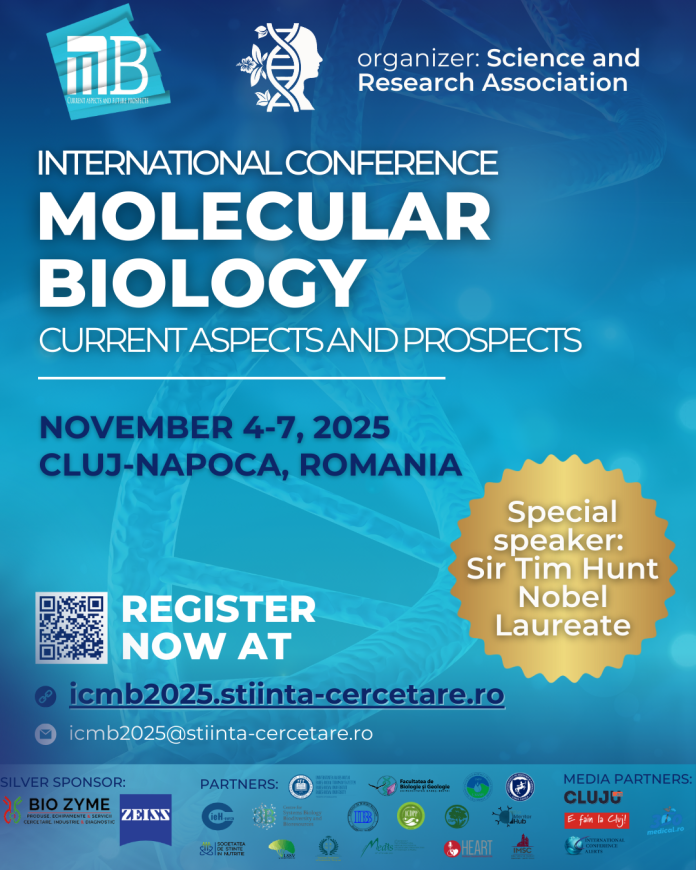
Invitation to the 2nd International Conference on Molecular Biology (ICMB2025)

0
International Molecular Biology Conference

The Science and Research Association is delighted to announce the upcoming 2nd International Conference on Molecular Biology (ICMB2025), which will take place from November 4 to 7, 2025, at Babeș-Bolyai University in the scenic city of Cluj-Napoca, Transylvania, Romania. This conference promises to be a significant gathering for researchers and scholars engaged in the study of molecular mechanisms across various domains, including microorganisms, plants, and animals.

ICMB2025 is designed to foster scientific exchange and collaboration among participants from diverse backgrounds. Attendees will have the opportunity to engage in discussions that span multiple fields of molecular biology, creating a vibrant atmosphere for sharing ideas and advancements. The conference aims to unite experts and emerging researchers, facilitating groundbreaking collaborations that will drive future innovations in the field.

We are thrilled to feature an impressive lineup of keynote speakers who are leaders in their respective areas. Among them is Sir Dr. Tim Hunt, a Nobel Prize laureate recognized for his groundbreaking discoveries in cell division. His insights are sure to inspire attendees and set the tone for the conference. Additionally, we will hear from Prof. Dr. Mihai Netea, an expert in immunology from Radboud Medical Center in the Netherlands, and Assoc. Prof. Dr. Mircea Ivan, who specializes in hypoxia and cancer at Indiana University School of Medicine in the USA. Other notable speakers include Prof. Dr. Simona Radutoiu from Aarhus University in Denmark, recognized for her work on plant-microorganism interactions, and Prof. Dr. Ute Krämer from Ruhr University Bochum, Germany, known for her expertise in molecular plant physiology.

Participants interested in presenting their research are encouraged to submit abstracts for talks or posters. The initial deadline for submissions is June 15, 2025. However, if additional time is needed, attendees are invited to reach out for extensions. This flexibility aims to accommodate various schedules and encourage as many contributions as possible.

The registration fee for ICMB2025 includes not only access to all talks and workshops but also lunch and dinner throughout the event, ensuring that participants can network and engage in discussions in a relaxed environment. Group discounts are available for teams of three or more, making it easier for institutions to send multiple representatives.

We believe that the ICMB2025 conference will provide invaluable opportunities for networking and professional development. Participants will be able to connect with leading experts, build collaborations, and exchange fresh perspectives that can contribute to the advancement of molecular biology research. This gathering is an excellent platform for students, researchers, and professionals alike to enhance their knowledge and share their passion for science.

As we prepare for this exciting event, we kindly ask for your assistance in sharing this invitation within your institution and professional network. The success of ICMB2025 relies on the participation of dedicated individuals who are eager to contribute to the scientific community. For more information about the conference and registration details, please visit ICMB2025.

In conclusion, the 2nd International Conference on Molecular Biology is poised to be a landmark event for researchers and enthusiasts in the field. We look forward to welcoming you to Cluj-Napoca, where you will join us in shaping the future of science and innovation. Together, we can explore the current aspects and prospects of molecular biology, fostering an environment of collaboration and discovery. Don’t miss out on this opportunity to be part of an inspiring journey in the world of molecular biology!
For more updates on global scientific events and advancements, visit Frontline Digest, your source for insightful research news.

Honorary Doctorate Degree at Pebble Hills University: Recognizing Excellence and Leadership

0
Honorary Doctorate Degree at Pebble Hills University

Pebble Hills University (PHU) offers an Honorary Doctorate Degree, a prestigious recognition aimed at celebrating individuals who have made significant contributions to their fields and communities. This degree serves as a professional acknowledgment, distinct from traditional academic doctorates, and is designed to honor those who inspire excellence and leadership.

What is an Honorary Doctorate Degree?

An Honorary Doctorate Degree is awarded to individuals who have demonstrated exceptional achievements, leadership, and commitment to their professions or communities. Unlike academic doctorates, which require extensive educational qualifications and research, the Honorary Doctorate waives these traditional academic requirements. Instead, it focuses on the impact individuals have made in their respective fields.

The degree is often equated with the title of Doctor Honoris Causa, which is recognized globally. However, it is essential to clarify that honorary degrees are generally perceived as having a different standing compared to academic doctorates unless the recipient has shown substantial academic scholarship as well.

Eligibility Requirements

To be considered for an Honorary Doctorate Degree from Pebble Hills University, candidates must meet specific criteria:

Significant Contributions

Candidates should have made substantial contributions to their field, showcasing excellence and leadership. This could include groundbreaking work in various sectors, service to the community, or advancements in education and research.

Professional Experience

A robust track record of professional achievements is essential. Candidates should demonstrate a commitment to community service or significant advancements in their area of expertise. This professional background helps substantiate the impact they have had in their field.

Nomination Process

The nomination process is straightforward. Candidates can be nominated by peers, professional organizations, or they may opt for self-nomination. Each nomination must include supporting documentation that details the candidate’s accomplishments, providing a comprehensive view of their contributions.

The Title and Its Usage

Recipients of an Honorary Doctorate Degree may choose to adopt the title of “doctor.” In many countries, including the United States, the United Kingdom, Australia, and New Zealand, honorary doctors can use the formal title of “doctor” at their discretion. However, it is crucial to make it clear that the degree is honorary. For example, one might write: “Dr. Albert Smith, D. Hon. (Specialization).”

In formal correspondence, it is acceptable to use prefixes like “Hon.” for “Honorary,” leading to forms such as “Hon. Dr. Albert Smith” or “Dr. Albert Smith, Hon. D.” if one wishes to specify the honorary nature of the degree.

Notable Recipients

Pebble Hills University has recognized several distinguished individuals with the Honorary Doctorate Degree. These recipients exemplify the values of leadership, dedication, and excellence that the degree aims to promote.

Dr. Hiew Boon Thong

One of the notable recipients is Dr. Hiew Boon Thong, awarded the Doctor of Management (Honoris Causa). His extensive career in the Royal Malaysian Police, coupled with his contributions to corporate and social activities, highlights his multifaceted impact on society.

Dr. Kagiso Smooth Kgweetsi

Dr. Kagiso Smooth Kgweetsi received the Doctor of Educational Management (Honoris Causa) for his significant contributions to education over 23 years. His leadership in fostering academic excellence has left a lasting impression on the educational community.

Dr. A K M Fazlur Rahman

Another distinguished recipient, Dr. A K M Fazlur Rahman, was honored with a Doctor of Entrepreneurship in Information Technology (Honoris Causa). His remarkable achievements in the tech sector underscore the university’s commitment to recognizing innovation and entrepreneurship.

Ms. Ozlem Gulsum Kilickaya

Ms. Ozlem Kilickaya received the Doctor of Engineering (Honoris Causa) for her contributions to the field of computer science and engineering. Her academic journey and professional endeavors serve as an inspiration for aspiring engineers.

Dr. Maheshwari Kunwar

Dr. Maheshwari Kunwar was awarded the Doctor of Executive Leadership Development (Honoris Causa) in recognition of her tireless efforts in advocating for women’s rights and social justice in Nepal. Her impact has positively influenced many lives, making her a deserving recipient of this honor.

The Importance of Honorary Degrees

Honorary Doctorate Degrees play a crucial role in recognizing individuals who might otherwise go unacknowledged within traditional academic frameworks. They serve multiple purposes:

  1. Inspiration: By highlighting exemplary figures, these degrees motivate others to pursue excellence in their fields.
  2. Connection: Honorary degrees foster connections between academia and various industries, promoting collaboration and innovation.
  3. Recognition of Service: They acknowledge contributions to society that may not fit conventional academic achievements but are nonetheless invaluable.

Conclusion

The Honorary Doctorate Degree at Pebble Hills University stands as a testament to the institution’s commitment to recognizing excellence and leadership across various fields. This prestigious title not only honors the achievements of individuals but also serves as an inspiration for future generations to contribute positively to their communities and professions.

If you believe you qualify for this esteemed recognition, PHU invites you to reach out with your detailed CV. The university is eager to guide potential candidates through the nomination process, ensuring that outstanding contributions to society and various industries are celebrated and acknowledged. Through this initiative, Pebble Hills University continues to shine as a beacon of excellence in education and professional recognition.

Honorary Professor of Practice in Health Science Awarded by QAHE and Kennedy University

0
Honorary Professor of Practice in Health Science

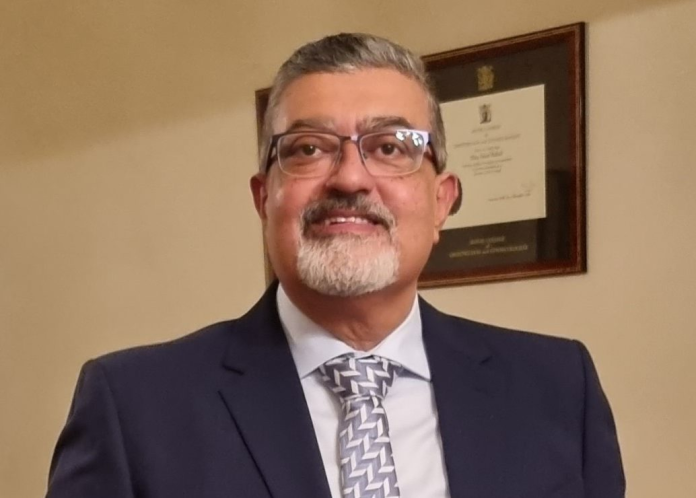
The International Association for Quality Assurance in Pre-Tertiary and Higher Education (QAHE) and Kennedy University (KU) proudly announced the conferment of the prestigious title of Honorary Professor of Practice in Health Science to Dr. Hany F. Habeeb FRCOG. This recognition celebrates Dr. Habeeb’s exceptional contributions to the fields of obstetrics, gynecology, and healthcare education, highlighting his significant impact on both medical practice and education.

Dr. Habeeb brings over 17 years of consultant-level experience, specializing in complex gynecological surgeries, including stage IV endometriosis, cancer surgery, and procedures tailored for morbidly obese patients. His expertise in minimally invasive surgical techniques, particularly laparoscopic and robotic hysterectomy, has made him a recognized leader in the field. Dr. Habeeb’s commitment to advancing surgical practices not only enhances patient outcomes but also sets a new standard for medical professionals in the domain.

In addition to his clinical prowess, Dr. Habeeb has held several influential leadership positions throughout his career. He has served as the Clinical Director for Women’s Health and as Cancer Lead for Women’s Health, roles in which he has significantly shaped healthcare delivery and policy. His leadership extends to training and mentoring medical professionals, where he is known for his dedication to nurturing the next generation of surgeons. Dr. Habeeb’s commitment to education is evident in his engagement with surgical training programs, ensuring that upcoming medical professionals are well-equipped with advanced techniques and knowledge.

Dr. Habeeb’s contributions to healthcare education have not gone unnoticed. He has received multiple prestigious teaching awards from the Royal College of Obstetricians and Gynaecologists (RCOG), which underscores his influence and dedication to teaching. These accolades affirm his role as a mentor and educator, shaping the future of obstetrics and gynecology through his commitment to high-quality education and training.

The Honorary Professor of Practice in Health Science title conferred by QAHE and Kennedy University is a testament to Dr. Habeeb’s extraordinary achievements. This accolade is awarded without a formal ceremony, ensuring that it remains accessible and convenient while upholding the highest academic standards. The decision reflects a modern approach to recognition in academia, focusing on the merit and contributions of individuals rather than the formality of the award process.

The collaboration between QAHE and Kennedy University emphasizes the importance of recognizing individuals who contribute significantly to health science and education. By honoring Dr. Habeeb, both organizations highlight their commitment to promoting excellence in healthcare and education. This partnership serves as an encouragement for other professionals in the field to strive for similar levels of commitment and achievement.

As Dr. Habeeb embarks on this new chapter as an Honorary Professor of Practice, it is anticipated that his contributions will continue to inspire and influence both students and colleagues alike. His expertise and dedication exemplify the qualities that the title seeks to promote—leadership, innovation, and a commitment to education.

The recognition of Dr. Habeeb also reflects the broader goals of QAHE and Kennedy University in improving the quality of health science education worldwide. By collaborating with distinguished professionals, they aim to foster an environment that nurtures excellence in medical training and practice. This initiative aligns with QAHE’s mission to enhance educational standards and support professional development across various sectors.

In conclusion, the conferment of the Honorary Professor of Practice in Health Science to Dr. Hany F. Habeeb is a significant milestone for both QAHE and Kennedy University. It not only honors Dr. Habeeb’s exceptional career and contributions but also reinforces the commitment of both organizations to advancing health science education. As they celebrate this achievement, they look forward to the continued impact of Dr. Habeeb’s work in shaping the future of healthcare and education. His legacy will undoubtedly inspire future generations of healthcare professionals, driving innovation and excellence in the field.

QAHE and IETO Partnership: Advancing Education and Trade Through New MOU

0
QAHE and IETO partnership

On June 6, 2025, the International Association for Quality Assurance in Pre-Tertiary and Higher Education (QAHE) proudly announced the signing of a Memorandum of Understanding (MOU) with the Indian Economic Trade Organization (IETO). This significant partnership aims to promote academic excellence and foster an entrepreneurial spirit within the fields of trade and commerce. The collaboration reflects a shared commitment to enhancing educational standards and supporting innovative initiatives that can lead to sustainable economic growth.

The MOU represents a strategic alliance between QAHE and IETO, two organizations dedicated to improving the quality of education and promoting best practices in their respective fields. As part of this partnership, QAHE will honor Mr. Asif Iqbal, the President of IETO, with the prestigious QAHE Honorary Fellowship Award. This award recognizes Mr. Iqbal’s outstanding commitment to innovation, leadership in education, and contributions to the trade sector. In addition to the honor, Mr. Iqbal will receive a digital credential, a dedicated listing on QAHE’s website, and a public announcement highlighting the significance of this recognition.

The collaboration between QAHE and IETO is designed to facilitate mutual promotion through various channels. Both organizations plan to leverage their websites and social media platforms to disseminate information about their joint initiatives and achievements. This approach not only strengthens the ties between QAHE and IETO but also showcases their shared values of excellence, global collaboration, and a commitment to enhancing educational opportunities.

The partnership is set to be effective for a period of five years, during which both organizations will work together to enhance visibility and recognition within the global educational landscape. This long-term commitment is aimed at creating meaningful impact in the communities they serve. By pooling resources and expertise, QAHE and IETO aim to develop programs and initiatives that address the evolving needs of students and professionals in trade and commerce.

In a rapidly changing global economy, the need for innovative education and training solutions is more critical than ever. The collaboration between QAHE and IETO is a response to this demand, as it seeks to empower individuals through education while promoting entrepreneurship. By fostering an entrepreneurial spirit, both organizations aim to inspire the next generation of leaders who can drive economic development and contribute to societal progress.

The emphasis on academic excellence in this partnership aligns with QAHE’s mission to enhance the quality of education worldwide. As a recognized non-governmental, independent quality assurance agency, QAHE is committed to supporting educational institutions and professionals in achieving higher standards. The organization collaborates with various accrediting bodies and educational organizations globally, ensuring that its initiatives are in line with best practices and international standards.

The recognition of Mr. Asif Iqbal as an Honorary Fellow underscores the importance of leadership in driving educational reform and innovation. Leaders like Mr. Iqbal play a vital role in shaping the future of education and trade, inspiring others to pursue excellence in their fields. His contributions to IETO and the broader trade community exemplify the kind of dedication needed to navigate the challenges of today’s economy.

As QAHE and IETO embark on this partnership, they are poised to make significant strides in promoting quality education and entrepreneurship. The MOU is not just a formal agreement; it is a commitment to work collaboratively towards a common goal: enhancing the educational landscape and fostering economic growth. Both organizations are excited about the potential outcomes of this partnership and look forward to creating opportunities that will benefit students, professionals, and communities alike.

In conclusion, the MOU between QAHE and the Indian Economic Trade Organization marks a pivotal moment for both organizations. By combining their strengths and resources, they are set to make a lasting impact on education and trade. This collaboration is a testament to the power of partnership in addressing the challenges of the modern world and fostering a culture of innovation and excellence. As they move forward, QAHE and IETO remain dedicated to their mission of promoting quality education and supporting the development of future leaders in trade and commerce.

Dr. Amit Kumar Ghosh Awarded Distinguished Professorship in Health Science

0
Health Science Distinguished Professorship

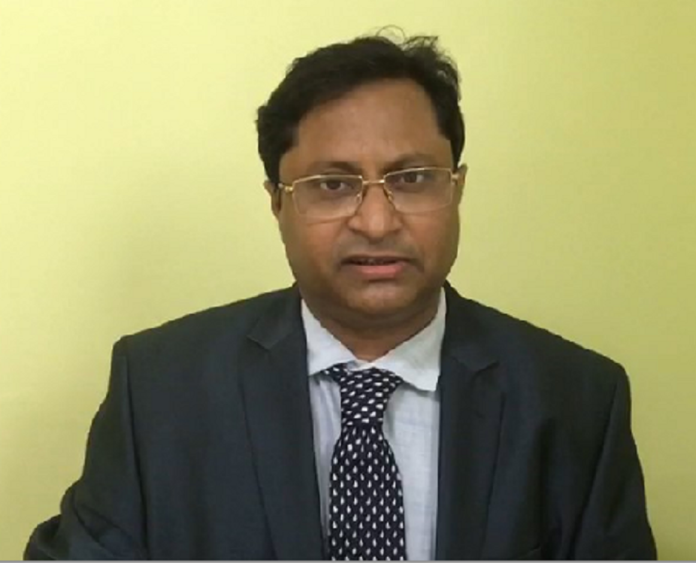
The International Association for Quality Assurance in Pre-Tertiary and Higher Education (QAHE) and the American University of Business and Social Sciences (AUBSS) recently announced a significant achievement in the field of health science: Dr. Amit Kumar Ghosh has been awarded the prestigious Distinguished Professorship in Health Science. This honor not only recognizes Dr. Ghosh’s extensive contributions to neurosurgery but also highlights his dedication to advancing medical education and patient care.

Dr. Ghosh is a highly respected Consultant Neurosurgeon, based at the Institute of Neurosciences in Kolkata, India. With over 20 years of experience, he has established himself as an authority in treating a wide range of neurological disorders. His areas of expertise include Deep Brain Stimulation, Epilepsy Surgery, and Spinal Cord Stimulation. Under his stewardship, the Brain and Spine Clinic has emerged as a center of excellence, providing innovative treatment options and personalized care tailored to each patient’s needs.

The recognition of Dr. Ghosh with the Distinguished Professorship underscores his commitment to clinical excellence, education, and research. Throughout his career, he has been actively involved in numerous research initiatives aimed at improving patient outcomes, especially for those suffering from complex neurological conditions. His dedication to these causes is further exemplified by the establishment of the Shree Asoka Neurocare facilities, which aim to enhance accessibility to neurological diagnostics and treatments, particularly for underserved communities.

A key aspect of Dr. Ghosh’s approach to patient care is his emphasis on building strong relationships with his patients. He understands the importance of ensuring that patients are well-informed throughout their treatment journeys. This patient-centered approach not only fosters trust but also empowers patients to take an active role in their healthcare decisions. His commitment to education extends beyond his clinical practice; he is also dedicated to mentoring the next generation of medical professionals.

Dr. Ghosh’s contributions to the field of neurosurgery have not gone unnoticed. He has received several prestigious awards, including the Mother Teresa Sadbhavana Award and the Outstanding Clinician in Neuro-Surgery Award. These accolades are a testament to his commitment to excellence and his impact on the medical community.

The collaboration between QAHE and AUBSS in recognizing Dr. Ghosh emphasizes the importance of leadership and innovation in health science education. It serves as an inspiration for healthcare professionals and educators alike to strive for excellence in their respective fields. By honoring individuals like Dr. Ghosh, organizations like QAHE and AUBSS highlight the critical role that dedicated professionals play in shaping the future of medical education and patient care.

As the healthcare landscape continues to evolve, the need for innovative leaders in health science becomes increasingly evident. Dr. Ghosh’s work exemplifies the qualities necessary for such leadership: a commitment to lifelong learning, a passion for teaching, and a deep-seated dedication to improving patient outcomes. His efforts to make advanced neurological care accessible to all, particularly marginalized populations, set a standard for future initiatives in healthcare.

In conclusion, Dr. Amit Kumar Ghosh’s recognition as a Distinguished Professor in Health Science is a well-deserved accolade that reflects his significant contributions to the medical field. His work not only enhances the quality of care provided to patients but also enriches the education of future healthcare professionals. As we celebrate this achievement, we look forward to Dr. Ghosh’s continued contributions to neurosurgery and medical education, which will undoubtedly inspire others in the field to follow in his footsteps. The collaboration between QAHE and AUBSS serves as a reminder of the importance of recognizing excellence in Health Science Distinguished Professorship, paving the way for future advancements in education and patient care.
To explore more stories like this, visit Frontline Digest, your source for the latest in academic and professional recognition across the globe.

American Management University Renews QAHE Accreditation

0
American Management University

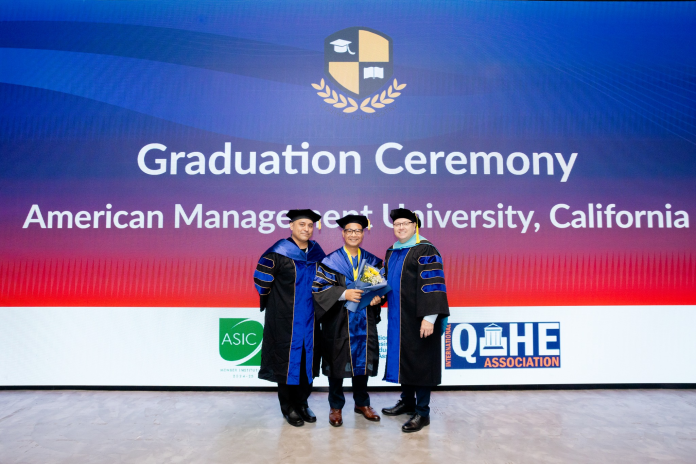
We are excited to announce that American Management University (AMU) has successfully renewed its accreditation with the International Association for Quality Assurance in Pre-Tertiary and Higher Education (QAHE). This renewal highlights AMU’s unwavering commitment to maintaining high academic standards and delivering quality education to students worldwide.

Located in Paris, France, AMU operates under the compliance of the French Ministry of Education for Private Learning Establishments. As a certified non-profit organization, AMU is legally authorized to provide distance learning education, ensuring accessibility and flexibility for students.

The renewal process at American Management University involved a rigorous evaluation of AMU’s curriculum, faculty qualifications, and learning systems. This comprehensive assessment reinforces AMU’s dedication to continuous improvement and its focus on providing a high-quality educational experience.

AMU has also established partnerships with several respected international organizations, such as the Association for Transnational Higher Education Accreditation (ATHEA) and the European Council for Business Education (ECBE). These memberships reflect AMU’s commitment to aligning with global educational standards.

The renewal of QAHE accreditation reaffirms AMU’s position as a leader in distance learning. It solidifies the university’s mission to empower students with the knowledge and skills necessary for success in today’s competitive job market.

To stay informed about other major developments in the global education sector, visit Frontline Digest for the latest updates.

The Global Boom of Aesthetic Clinics: Beauty, Business, and Ethical Dilemmas

0
aesthetic clinics

In the age of Instagram faces and TikTok beauty trends, aesthetic clinics have exploded onto the global stage, offering quick fixes for everything from wrinkles to waistlines. What was once a luxury reserved for celebrities has now become mainstream, with clinics popping up on every high street from Seoul to Los Angeles. The global aesthetic medicine market is projected to reach $200 billion by 2030, driven by social media influence, technological advancements, and shifting beauty standards.

However, this boom raises questions: Is it a triumph of modern medicine or a slippery slope into ethical and medical controversies? Let’s dive into the fascinating—and sometimes controversial—world of aesthetic clinics.

Why Are Aesthetic Clinics Growing So Fast?

1. Social Media & the “Perfect Look” Obsession

Filters, Facetune, and influencer culture have reshaped beauty expectations. Platforms like Instagram and TikTok glorify plump lips, razor-sharp jawlines, and poreless skin, making minimally invasive procedures (like Botox and fillers) seem as routine as a haircut. According to a 2023 survey, 60% of people under 35 consider cosmetic treatments due to social media pressure.

2. Technological Advancements: Faster, Safer, Cheaper

Gone are the days of risky, irreversible surgeries. Today, non-surgical treatments such as laser therapy, injectables, and fat freezing dominate the market because they offer minimal downtime, lower costs than traditional plastic surgery, and fewer risks compared to invasive operations. Technologies like AI-powered skin analysis and 3D imaging allow clinics to customize treatments with precision, attracting more clients.

3. Medical Tourism: Beauty on a Budget

Countries like Turkey, Thailand, and South Korea have become hotspots for “cosmetic tourism,” offering high-quality treatments at a fraction of Western prices. For example, a Brazilian butt lift in Miami might cost $12,000, while in Istanbul, it’s just $4,500—including a luxury recovery hotel.

4. The Rise of Preventative Aesthetics

Millennials and Gen Z aren’t waiting for wrinkles to appear—they’re getting “prejuvenation” treatments (like baby Botox and microneedling) in their 20s to slow aging before it starts.

The Pros: Why Aesthetic Clinics Are a Game-Changer

✅ Boost in Confidence & Mental Well-being

For many, aesthetic treatments aren’t just about vanity—they’re about self-esteem. Studies show that patients who undergo successful procedures often experience reduced social anxiety, improved body image, and greater career confidence, especially in appearance-driven industries.

✅ Medical Benefits Beyond Beauty

Some treatments have therapeutic uses. For instance, Botox can help with chronic migraines and excessive sweating, while laser therapy can treat acne scars and hyperpigmentation. Fat reduction procedures can also aid in metabolic health.

✅ Economic Growth & Job Creation

The aesthetic industry is a significant job generator, employing dermatologists, cosmetic surgeons, nurses specializing in injectables, skincare specialists, and clinic managers. In the U.S. alone, the Botox industry generates $3 billion annually.

The Cons: The Dark Side of the Beauty Boom

❌ Unqualified Practitioners & “Backstreet Clinics”

The lucrative nature of the industry has led many untrained individuals to offer cheap, dangerous procedures. Horror stories include fillers causing blindness when injected improperly, Botox parties leading to botched results, and illegal silicone injections causing permanent deformities. In the UK, 1 in 5 cosmetic treatments are performed by unlicensed practitioners.

❌ Unrealistic Beauty Standards & Body Dysmorphia

The rise of the “Instagram face” (characterized by cat-like eyes, tiny noses, and inflated lips) has led to copycat syndrome, where patients bring filtered selfies expecting impossible results. This can contribute to body dysmorphic disorder (BDD), where individuals obsess over perceived flaws and undergo endless procedures. A 2022 study found that 30% of cosmetic patients show signs of BDD.

❌ Over-Commercialization & Ethical Concerns

Aggressive marketing often targets vulnerable groups, such as teens and individuals with low self-esteem. “Buy now, pay later” financing encourages impulsive decisions, and the lack of regulation in some countries leads to unsafe practices.

The Future: Where Do We Go From Here?

The aesthetic industry isn’t slowing down, but it must evolve responsibly. Key changes needed include stricter regulations to ensure only licensed professionals perform procedures, psychological screenings to identify patients with BDD or unrealistic expectations, and transparent advertising to dispel myths about instant perfection.

Final Thought: Beauty Should Empower, Not Trap

Aesthetic clinics can be life-changing when used wisely. However, as the industry grows, the need for ethics, education, and emotional awareness becomes increasingly important. Ultimately, the best kind of beauty enhancement is one that helps individuals feel like the best version of themselves—not someone else.

Would you try an aesthetic treatment? Or do the risks outweigh the rewards? Let us know in the comments! For more insights into evolving global industries and their societal impacts, visit Frontline Digest.

MOU Signed Between Pebble Hills University and TITU University

0
Pebble Hills University and TITU MOU

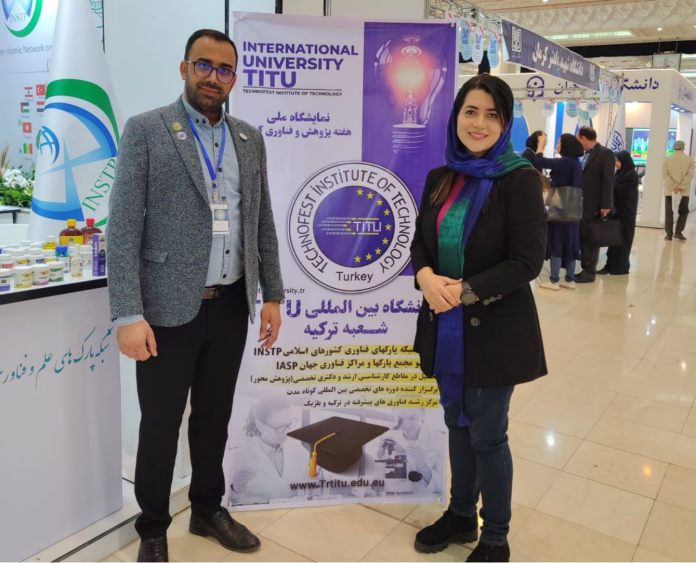
Pebble Hills University (PHU) is excited to announce a significant development in its mission to enhance educational opportunities globally. The university has recently entered into a Memorandum of Understanding (MOU) with the Technofest Institute of Technology University (TITU). This Pebble Hills University and TITU MOU is designed to facilitate greater academic collaboration and improve the educational experiences for students from both institutions.

Overview of the Partnership

The Pebble Hills University and TITU MOU aims to foster a collaborative relationship between PHU and TITU, two institutions committed to providing high-quality education. This partnership will enable both universities to recognize each other’s academic credentials, thereby allowing students to pursue their studies more seamlessly across both institutions. By enhancing the recognition of academic qualifications, students will find it easier to transition into different programs and explore new academic pathways.

About TITU University

TITU University is a prominent online and research-oriented institution dedicated to delivering comprehensive educational programs that contribute to societal development. The university places a strong emphasis on ethics, human values, and responsibility, equipping students with the skills necessary to thrive in today’s competitive job market. TITU boasts state-of-the-art facilities, including well-equipped libraries, laboratories, and conference halls, creating an optimal learning environment for its students.

Benefits of the MOU

The collaboration between PHU and TITU brings several advantages to students:

  1. Reciprocal Recognition of Academic Credentials: The Pebble Hills University and TITU MOU ensures that academic qualifications earned at either institution will be recognized by the other. This reciprocal acknowledgment is crucial for students seeking to further their education, as it simplifies the process of transferring credits and pursuing advanced degrees.
  2. Enhanced Educational Pathways: Students from both universities will gain access to a broader array of programs and resources. This partnership will enrich their academic journeys by providing more options for specialization and research opportunities, ultimately leading to a more robust educational experience.
  3. Global Networking Opportunities: By collaborating, PHU and TITU will create avenues for students to engage in international events and initiatives. This exposure to a global network enhances students’ understanding of diverse perspectives and practices, preparing them for careers in an increasingly interconnected world.

Future Initiatives

The signing of this MOU marks the beginning of what both institutions hope will be a fruitful collaboration. Both PHU and TITU are committed to exploring further initiatives that will enhance their educational offerings. Future projects, as outlined in the Pebble Hills University and TITU MOU, may include joint research initiatives, student exchange programs, and collaborative online courses that leverage the strengths of both universities.

Commitment to Quality Education

At the heart of this partnership is a shared commitment to providing quality education and fostering innovation in higher education. Both PHU and TITU recognize the importance of adapting to the evolving educational landscape, particularly in light of the increasing demand for online and distance learning. This MOU serves as a significant step toward achieving their goals of delivering accessible and quality education to students worldwide.

Conclusion

In conclusion, the Pebble Hills University and TITU MOU represents a significant milestone in the pursuit of educational excellence. By working together, both institutions aim to enhance the academic experiences of their students, promote international collaboration, and strengthen their respective educational frameworks. Stakeholders are encouraged to stay tuned for updates on joint initiatives and opportunities that will arise from this exciting partnership.

For more information about the programs offered at Pebble Hills University and details about the MOU, please contact PHU or visit their official website.